
Understanding the True Cost of Z-1 Glass
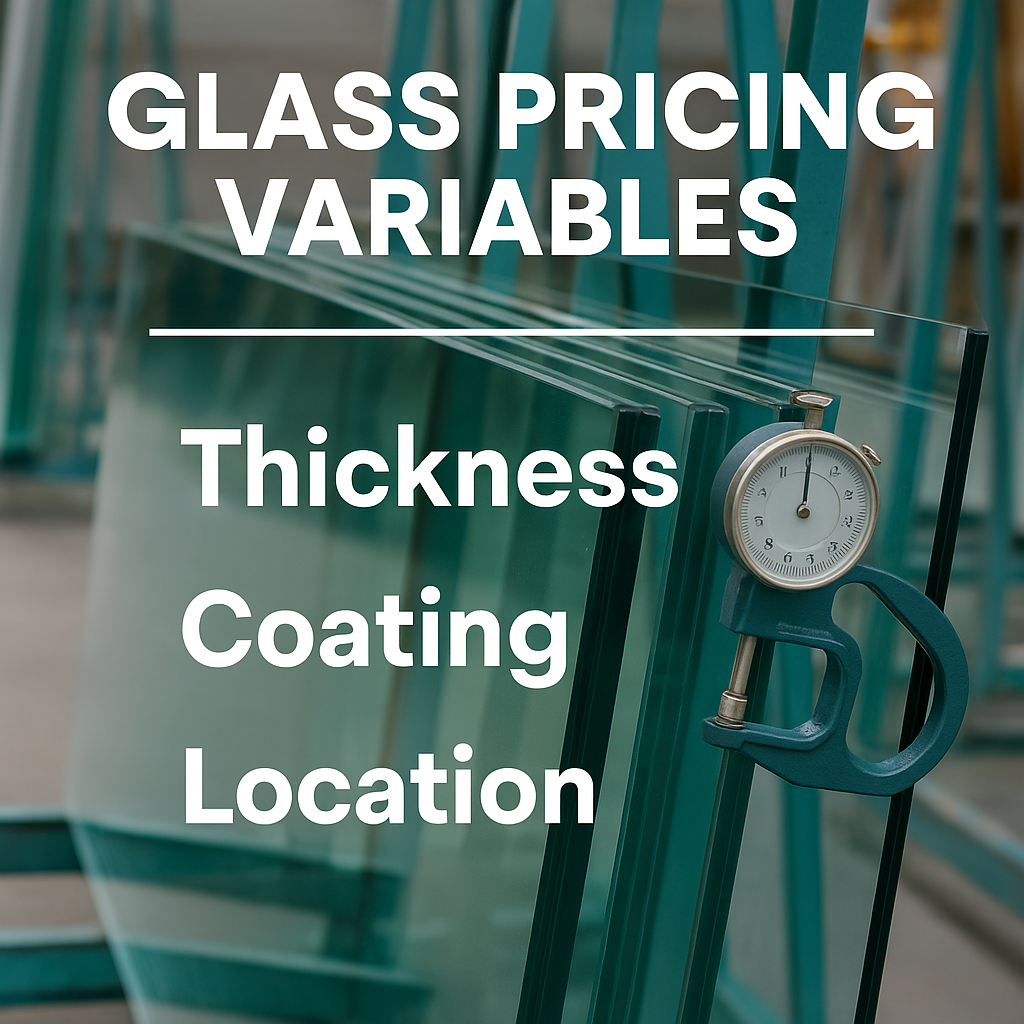
When evaluating architectural glazing solutions, one of the most important considerations is the balance between performance and cost. Z-1 glass, a next-generation laminated glass product, is renowned for its superior strength, visual clarity, and thermal and acoustic properties. But what truly impacts the Z-1 glass price? The cost of Z-1 glass varies significantly depending on multiple variables—including thickness, coatings, and location.
In this comprehensive breakdown, we’ll explore the key factors that influence pricing and help you make informed decisions when budgeting for Z-1 glass in residential, commercial, or industrial applications.
What Is Z-1 Glass?
Before diving into costs, it’s essential to revisit what is Z-1 glass. Z-1 glass is a premium laminated product engineered using interlayers more advanced than standard PVB laminated glass. In many configurations, it outperforms SGP laminated glass in impact resistance, UV protection, and clarity, making it a top choice for high-spec façade systems, skylights, canopies, and soundproof interiors.
The pricing structure reflects the high-end technology embedded within the glass, and the total cost includes more than just the glass panel itself.
Base Pricing by Thickness
One of the most significant factors affecting the price of Z-1 glass is its thickness. Z-1 glass is available in multiple thicknesses (typically 6mm, 8mm, 10mm, 12mm, and 19mm laminated versions), each suited to different structural or aesthetic needs.
- 6mm to 8mm Z-1 glass: Commonly used in interior partitions and glass balustrades. These are more affordable options.
- 10mm to 12mm Z-1 glass: Often required for external windows, facades, and high-impact zones.
- 19mm Z-1 glass or thicker: Reserved for overhead glazing, hurricane-prone areas, or high-security installations. This comes at a premium.
The increase in raw material usage, weight, and transport requirements means thicker panels cost significantly more. As explored in the Z-1 Glass Pricing Guide: Cost per m² and Variables, pricing can range from $120 to $300 per m² depending on thickness and add-ons.
Coating Options and Their Impact on Price
Z-1 glass can be enhanced with a range of coatings that boost its performance in specific ways. Each of these has a cost implication:
- Low-E coatings: Reduce heat transfer, enhance energy efficiency, and are essential in green building projects.
- Solar control films: Prevent excessive UV and infrared radiation while maintaining visibility.
- Anti-reflective coatings: Ideal for display façades and showroom glass to enhance transparency.
- Scratch-resistant finishes: Extend the life of the glass in high-touch areas or public installations.
Each coating layer adds complexity to the manufacturing process. In some cases, coatings alone can increase the cost per square meter by 15–30%. However, they also contribute to long-term savings and durability.
For longevity benefits, refer to Z-1 Glass Aftercare to Preserve Aesthetic and Strength which outlines why protective coatings are worth the investment.
Installation Location and Regional Costs
Location plays a critical role in determining final cost. Factors include:
- Transportation costs: Due to its weight and fragility, Z-1 glass incurs higher logistics fees for long-distance deliveries, especially to remote sites.
- Local labor rates: High-labor-cost regions such as urban centers or international markets add to the total price through skilled installation charges.
- Import tariffs and taxes: Countries with strict building codes or tariffs on specialty construction materials may significantly inflate the delivered cost of Z-1 glass.
- Climatic needs: Areas with extreme temperatures or weather events may require Z-1 glass with additional reinforcement or special coatings, further affecting price.
All these factors make it crucial to get region-specific quotes from verified Z-1 glass manufacturers and installers.
Framing and Structural System Compatibility
The structural system into which Z-1 glass is installed—such as curtain wall frameworks, point-fixed systems, or spider glazing—also impacts overall costs. Thicker and coated Z-1 glass typically requires:
- Reinforced aluminum or steel frames
- Specialized sealants and bonding agents
- Structural silicone glazing systems
- Certified installers to meet compliance standards
These elements are often excluded from the base glass price but can add an additional 30–50% to the total cost of the system.
Hidden Cost Variables to Consider
Beyond the upfront purchase price, certain hidden or secondary factors also affect the price of Z-1 glass over time:
- Cleaning and maintenance frequency: Coated glass may require less cleaning, lowering maintenance budgets.
- Insurance and warranty: Premium warranties are often tied to proper installation and ongoing care, which adds compliance costs.
- Lifecycle ROI: Z-1’s enhanced durability and resistance to delamination or breakage reduce replacement frequency, offering long-term value.
To avoid issues that void warranties, be sure to follow guidelines laid out in Z-1 Glass Warranty and Tips for Preventive Maintenance.
Comparing Z-1 Glass with Other Laminated Options
When justifying the investment, it’s helpful to compare Z-1 glass with alternatives like:
- Standard PVB laminated glass: Lower cost but less durable and more prone to yellowing over time.
- SGP laminated glass: Strong and clear but often limited in acoustic performance compared to Z-1.
- Tempered glass: Cheaper but doesn’t offer the same safety or acoustic insulation as Z-1.
Ultimately, Z-1 delivers superior performance in terms of impact resistance, design versatility, and energy savings, which makes it a preferred option despite the higher upfront cost.
Is the Price of Z-1 Glass Worth It?
Yes—if your project demands:
- Long-term strength
- Superior aesthetics
- Custom coating capabilities
- Lower maintenance and replacement risk
- Compliance with modern building codes and LEED standards
Although the Z-1 glass price per square meter is higher than average laminated glass, the return on investment in durability, safety, and efficiency makes it a strong choice for architects and developers.
Final Thoughts: Getting the Best Value
When budgeting for a Z-1 glass system, don’t just focus on the sticker price. Consider the full scope: thickness, coatings, transport, installation, and maintenance. A well-specified Z-1 solution delivers not only superior protection and appearance but also long-term savings.
For optimized results, always work with certified Z-1 suppliers and ensure you have a clear understanding of the variables that impact total cost. With the right preparation, you’ll enjoy all the benefits that make Z-1 glass a leader in modern glass architecture.