
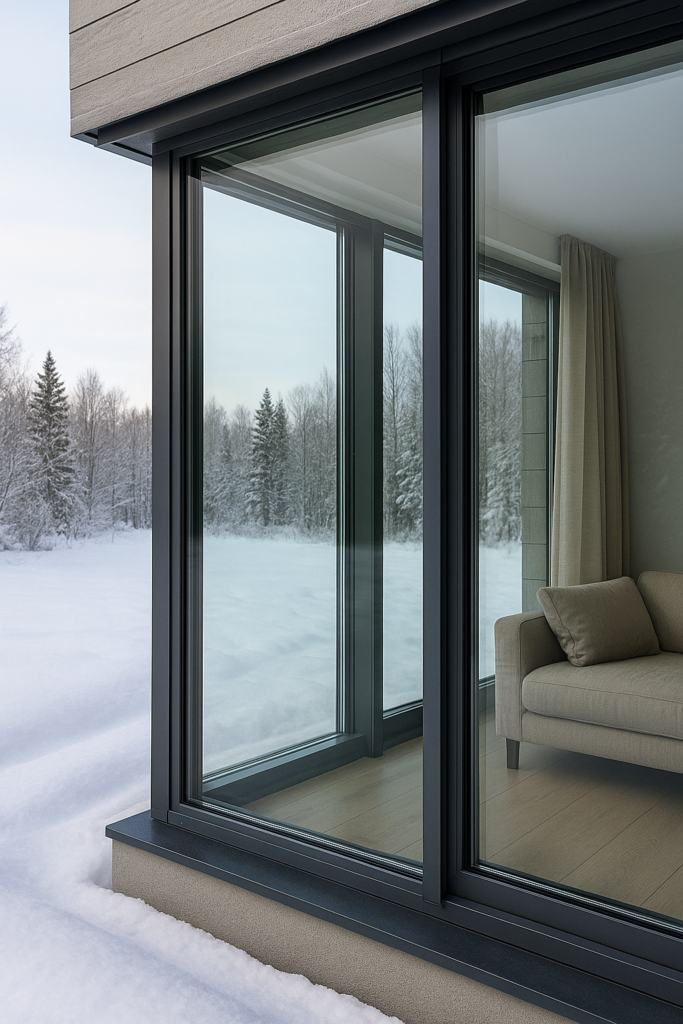
In cold climates, where sub-zero temperatures, strong winds, snow, and ice are regular challenges, selecting the right window system is crucial. The insulating glass unit (IGU) stands out as one of the most effective solutions for achieving thermal performance, energy efficiency, and occupant comfort. Modern IGU systems not only reduce heat loss but also help resist condensation and offer design flexibility for commercial and residential buildings in frigid environments.
This guide explores the best IGU glazing solutions for cold regions, how they are engineered for high performance, and why they are essential for sustainable architecture.
Why Choose Insulating Glass Units in Cold Regions?
The core purpose of an insulating glass unit is to minimize thermal exchange between the interior and exterior environments. In cold regions, IGUs are fundamental for:
- Maintaining indoor warmth
- Preventing condensation and ice buildup
- Reducing reliance on HVAC systems
- Improving overall building envelope performance
The effectiveness of an IGU is largely determined by its glass configuration, spacer bar system, gas fill, and edge seal performance. Learn more about this in Insulating Glass Unit Edge Seal Technologies Compared.
Thermal Efficiency: Key to Cold Climate Design
In cold climates, glazing must perform two main roles:
- Keep warmth inside the building.
- Prevent cold air infiltration.
The thermal performance of an IGU is indicated by its U-value—the lower the U-value, the better the insulation. IGU thermal performance is affected by:
- Ug value: Thermal performance of the glass
- Uf value: Thermal performance of the frame
- Psi value: Thermal performance of the spacer
- Uw value: Combined U-value of the entire window system
Triple-pane IGUs with argon or krypton gas and warm-edge spacers typically offer the best performance in these regions. For more detailed metrics, refer to Insulating Glass Unit Air Tightness and Energy Ratings.
Triple Glazing: A Standard for Cold Climates
Triple glazing involves three panes of glass separated by gas-filled cavities. This configuration drastically improves the U-value and increases the IGU’s ability to prevent heat loss.
Benefits of Triple Glazing:
- Superior thermal insulation (Ug values as low as 0.5 W/m²K)
- Better acoustic insulation
- Reduced condensation on interior surfaces
- Greater energy savings
Despite being slightly heavier, triple-pane IGUs can be installed using appropriate lifting equipment or a gantry crane when dealing with large structural elements or glass walls.
Heated Glass Solutions for Cold Climates
In regions with persistent snow or ice, heated glass is a game-changing innovation. This solution involves a transparent conductive coating on the glass, paired with discreet electrical connectors.
Applications of Heated Glass:
- Melting snow on skylights or glass roofs
- Reducing condensation in high-humidity indoor environments
- Providing radiant heat for glass walls in spas, resorts, and luxury homes
Heated glass not only contributes to occupant comfort but can also protect the structural integrity of the building by preventing ice accumulation.
Structural Glazing Without Compromise
Many assume that large glass façades are unsuitable for cold climates due to heat loss. However, innovations in structural IGU systems allow for frameless, high-performance glazing with minimal thermal penalties.
Advantages of Structural IGUs:
- Frameless design for panoramic views
- Triple glazing capability
- Enhanced performance in wind and snow conditions
- Seamless integration with architectural elements
Modern structural systems, such as those used in alpine resorts and high-altitude villas, offer maximum daylight while maintaining excellent U-values.
Customization and Flexibility in Design
Custom IGU configurations allow for flexibility in architectural expression without compromising thermal performance. See Insulating Glass Unit Role in Natural Disaster Zones for insights on durability and pressure resistance.
Customization can include:
- Curved or sloped IGUs
- Color-tinted or reflective coatings
- Specialized low-emissivity (Low-E) coatings
- Oversized triple-glazed units
Cold climate architecture doesn’t have to limit your creativity—use Insulating Glass Unit Customization for Unique Projects for guidance.
Edge Sealing and Spacer Technologies
Proper edge sealant and spacer selection is crucial in cold climates to prevent:
- Moisture ingress
- Seal shrinkage due to freeze-thaw cycles
- Gas leakage
Warm-edge spacers, made of composite or polymeric materials, outperform aluminum in thermal bridging resistance.
Edge seals should remain flexible in freezing temperatures, and their long-term performance should be verified with third-party testing.
Installation Best Practices in Cold Weather
Cold climate installation requires:
- Proper alignment and sealing during low temperatures
- Use of dry, clean materials to avoid fogging
- Specialized cranes or suction systems for large IGUs
When installing large units in snow-prone or elevated areas, consider automated hoisting systems and site-friendly lifting methods, such as gantry cranes.
Enhancing Performance Through Exterior Landscaping
Smart exterior design can enhance the thermal performance of IGUs. For example:
- Using evergreen trees to block cold winds
- Placing snow breaks to reduce roof drifts
- Orienting buildings for optimal solar gain
Read Bright View Landscape Key Characteristics Explained to learn how landscaping supports energy efficiency.
Conclusion: Cold Climate Comfort Starts with the Right IGU
An insulating glass unit is more than just a window component—it’s a cornerstone of thermal efficiency in cold region architecture. With advanced configurations like triple glazing, heated glass, and warm-edge spacers, today’s IGUs offer comfort, performance, and design freedom even in extreme environments.
Whether you’re planning a ski resort, mountain lodge, urban tower, or off-grid cabin, your choice in IGU glazing can significantly impact energy consumption, occupant well-being, and long-term building durability.
Work with experienced fabricators and certified installers to ensure your IGU selection is optimized for cold climate performance—because when the temperature drops, your building should stay warm, clear, and resilient.