
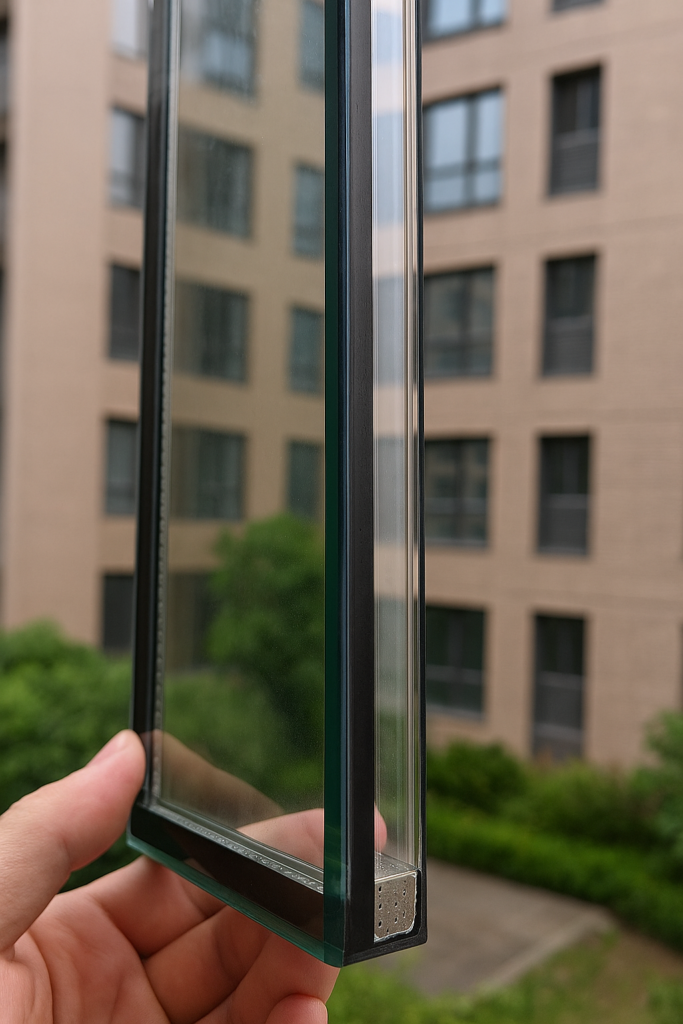
An insulating glazing unit (IGU) is one of the most significant advancements in modern architectural glass technology. Designed to improve energy efficiency, control temperature, and reduce noise pollution, IGUs are the standard in new construction and retrofitting of homes, offices, and industrial buildings.
In this guide, we explore in depth how insulating glazing unit works, focusing on their structure, component materials, performance data, and practical applications in today’s smart, sustainable architecture.
Understanding the Insulating Glazing Unit (IGU)
An insulating glazing unit, also known as a double glazed unit (DGU), is a sealed window structure consisting of two or more glass panes separated by a spacer and sealed with gas between them. This design drastically reduces heat and sound transmission.
These units are factory-assembled and hermetically sealed to ensure long-term performance. When integrated properly into a window or door system, they serve as a barrier against external weather conditions, optimizing the interior environment.
For foundational knowledge, refer to Insulating Glazing Unit | What’s an Insulating Glazing Unit?.
Key Components and How They Function
1. Glass Panes
The most visible part of the IGU, glass panes allow light in while keeping environmental conditions in check. Types include:
- Annealed glass – standard float glass.
- Toughened glass – thermally strengthened for safety.
- Laminated glass – layered with interlayers for improved sound insulation.
- Low-E (Low Emissivity) glass – reflects infrared radiation to enhance thermal efficiency.
Each type serves a functional or safety purpose, often selected based on application needs.
2. Spacer Bars
Spacer bars separate the glass panes and define the width of the insulating cavity. These are typically made from:
- Aluminium (standard but conductive)
- Warm edge spacers (composite plastics with lower thermal conductivity)
Warm edge spacers improve the thermal efficiency of the IGU by reducing heat transfer through the edges.
3. Gas Fill
The gap between glass panes is filled with inert gases like Argon or Krypton to reduce heat transfer. These gases are denser than air and act as thermal insulators.
- Argon: Cost-effective, excellent thermal performance.
- Krypton: More expensive, superior insulation, suitable for thinner gaps.
4. Sealants
Sealants ensure the integrity of the IGU:
- Primary Seal: Fixes glass to the spacer and acts as a moisture barrier.
- Secondary Seal: Provides mechanical strength and environmental protection.
Sealants used include butyl, polysulphide, polyurethane, and silicone. The combination of both seals ensures moisture doesn’t penetrate the unit and maintains gas retention.
How IGUs Improve Energy Efficiency
Hot air naturally moves toward cooler air. The design of an IGU prevents this transfer:
- In winter, IGUs keep indoor heat from escaping.
- In summer, they prevent external heat from entering.
This thermal insulation is quantified through:
- U-Value: Measures heat transfer. The lower the U-value, the better the insulation.
- SHGC (Solar Heat Gain Coefficient): Indicates how much solar heat passes through.
- VLT (Visible Light Transmittance): Measures how much visible light enters.
- VLR (Visible Light Reflectance): Reflects how much light is bounced off.
For real-world applications and thermal advantages, explore Insulating Glass Unit Soundproofing and Thermal Benefits.
Acoustic Performance: Soundproofing With IGUs
One of the underappreciated functions of insulating glazing units is their ability to block external noise. IGUs do this by:
- Using thicker or asymmetrical panes
- Including laminated glass for sound damping
Rw (Weighted Sound Reduction Index) is used to measure performance:
- 6mm Clear Glass: Rw 31
- 6mm + 12mm spacer + 6mm IGU: Rw 34
- 10mm + 12mm spacer + 6mm IGU: Rw 36
- Acoustic Laminate IGU: Rw 38
This level of control is essential for urban housing, hospitals, schools, and offices. For insights into quiet living, see Insulating Glass Unit Applications in Modular Housing.
Practical Applications of IGUs
Residential Installations
IGUs are ideal for:
- Windows and doors
- Skylights and sunrooms
- Sliding glass panels
They help homeowners control temperature, reduce energy bills, and improve comfort.
Modular Construction
In the fast-growing modular housing sector, IGUs provide:
- Lightweight, efficient glazing solutions
- Seamless integration into prefabricated structures
- Enhanced indoor comfort
Learn more about this use case in Insulating Glass Unit Applications in Modular Housing.
Commercial and Industrial
From retail stores to office towers, IGUs support sustainability goals and HVAC efficiency while enhancing aesthetics.
Even support structures such as a jib crane may be used in the glazing manufacturing or installation process for handling heavy IGU panels.
Custom IGU Solutions: ToughEco™ and ToughEco™ Plus
Modern manufacturers like Tough Glass offer tailored products:
- ToughEco™: Standard IGU for general applications
- ToughEco™ Plus: Enhanced features for acoustic or thermal performance
Each solution is configurable by glass type, spacer material, gas fill, and coatings.
Design and Installation Considerations
When incorporating IGUs into your construction or renovation project, consider:
- Frame compatibility: Wood, uPVC, aluminum, and composite frames
- Aesthetic finishes: Match IGUs with Granite Countertop Installation for visual cohesion
- Climate: Choose gas fills and glass coatings appropriate to your region
- Installation logistics: Ensure proper transportation and handling
Complementing IGUs With Landscaping and Environment
Window performance is further enhanced when combined with thoughtful landscaping. Trees, awnings, and green roofs contribute to passive cooling and energy efficiency.
Explore design harmony in Bright View Landscape Key Characteristics Explained.
Final Thoughts
Understanding how an insulating glazing unit works is vital for architects, builders, and homeowners alike. These multi-layered systems offer far more than just glass; they are engineered for modern comfort, sustainability, and performance.
By optimizing glass selection, gas fill, and installation techniques, IGUs deliver on all fronts—from temperature regulation to noise control—making them essential for future-ready construction.
Whether you’re upgrading a home, designing a modular unit, or managing a commercial build, IGUs are the smart choice for insulation, acoustics, and aesthetics.