
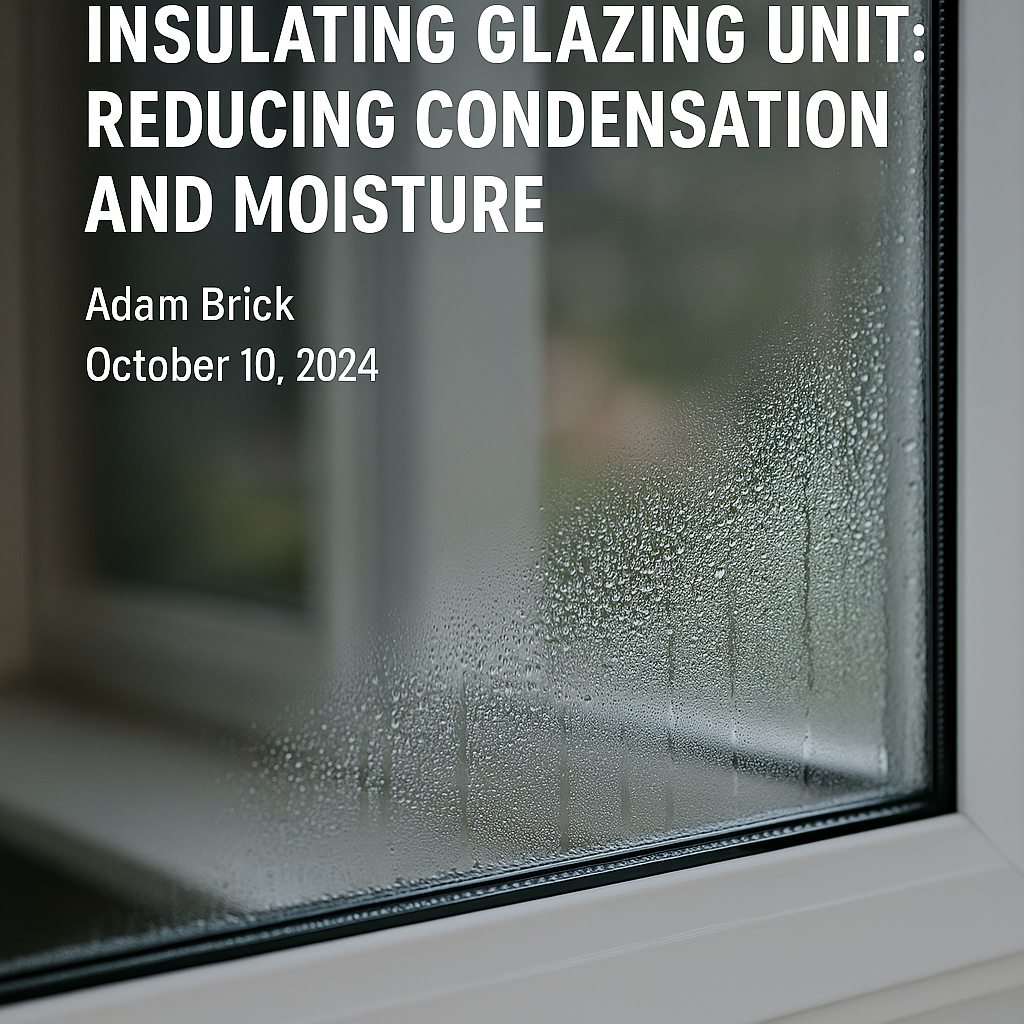
In buildings of all types, condensation on windows isn’t just a visual nuisance – it signals poor insulation and can lead to long-term damage such as mould, rot, and reduced indoor air quality. One of the most effective ways to combat this issue is by installing an insulating glazing unit (IGU). Designed to improve thermal insulation, IGUs also play a vital role in reducing condensation and moisture buildup.
This article explores how IGUs help maintain a dry, comfortable interior environment, how they are constructed to resist condensation, and the benefits they offer over traditional single-glazed windows.
What is an Insulating Glazing Unit?
An insulating glazing unit is a multi-pane glass system that creates a sealed cavity between two or more panes of glass. This cavity is typically filled with air or an inert gas like argon or krypton and is sealed using durable spacers and high-performance sealants to minimise heat transfer.
As a result, IGUs provide superior thermal insulation, significantly lowering the chances of interior glass surfaces dropping below the dew point, which is when condensation occurs.
Learn more about overall energy performance at Insulating Glazing Unit: Energy Efficiency and Savings.
The Relationship Between Condensation and Insulation
Condensation occurs when warm, humid indoor air comes into contact with a cold surface, such as a poorly insulated window. The temperature of the glass falls below the dew point of the surrounding air, causing water vapor to condense into droplets on the glass surface.
Why this matters:
- Repeated condensation can cause mould growth
- It may damage paint, wood, and plaster
- It contributes to poor indoor air quality
With an insulating glazing unit, the inner pane remains much warmer due to the insulating barrier created by the sealed cavity. This reduces the chances of reaching the dew point and therefore helps prevent moisture buildup.
How IGUs Minimise Condensation
IGUs feature several components that actively reduce moisture accumulation:
1. Double or Triple Glass Layers
The presence of multiple panes reduces thermal bridging. In triple glazing, the middle pane acts as an additional buffer, making condensation even less likely.
2. Gas-Filled Cavities
Argon and krypton are denser than air and reduce heat loss more effectively. Their use keeps the interior-facing pane warmer.
3. Warm Edge Spacers
Unlike traditional aluminium spacers, warm edge spacers made of composite materials or stainless steel reduce the temperature difference between the pane edges and center, thereby minimising edge condensation.
4. Low-E Coatings
Low-emissivity (Low-E) coatings reflect interior heat back into the room, keeping the inside pane warmer and further reducing the potential for condensation.
5. High-Quality Sealants
Double-sealed systems using butyl and silicone or polyurethane maintain airtight conditions and prevent moisture ingress.
To explore IGU types in detail, visit Insulating Glazing Unit | Types of Insulating Glazing Units.
Additional Benefits of Reducing Condensation
Reducing condensation with an IGU offers more than just aesthetic and comfort advantages:
- Health Protection: Minimises mould spores and dust mites that thrive in damp conditions
- Extended Building Life: Prevents wood rot, corrosion, and damage to plaster and paint
- Reduced Cleaning: Eliminates constant wiping of foggy windows
- Energy Efficiency: Lower humidity reduces the load on HVAC systems
For more insights, check Insulating Glazing Unit | Thermal Insulation Benefits.
Applications in Challenging Environments
IGUs are particularly effective in environments with:
- High indoor humidity (kitchens, bathrooms, greenhouses)
- Cold external climates (where temperature differentials are extreme)
- Urban and coastal areas (where windows are exposed to high moisture levels)
In heritage properties with sash windows, vacuum insulated glazing (VIG) can be retrofitted to improve insulation and reduce condensation while maintaining historic aesthetics.
Handling and Installation Tools
To properly install IGUs and avoid compromising the moisture barrier, professionals rely on:
- Lifting clamps: Essential for securely holding large or fragile glass panels
- Suction cup: Allows safe handling of panes without touching the surface, preserving sealant and spacer integrity
These tools ensure the glass units are positioned precisely without damaging the sealed edge or compromising thermal performance.
Longevity and Maintenance
Over time, the sealants in IGUs may degrade due to UV exposure or improper installation, allowing gas to escape and moisture to enter. To avoid this:
- Choose high-quality IGUs with long warranties
- Opt for dual-seal systems combining butyl with a secondary sealant
- Schedule regular inspections for early signs of seal failure (e.g., fogging between panes)
With proper care, an IGU can last 15 to 25 years without loss of performance.
Supporting Sustainable Building Goals
IGUs are a powerful tool in reducing both energy consumption and condensation. When combined with sustainable building practices, they amplify a property’s environmental performance.
For example, integrating IGUs with exterior solutions like green roofing and rainwater management as discussed in Bright View Landscape with Green Waste Reduction Tips enhances overall building efficiency.
Final Thoughts
By significantly reducing moisture buildup and internal condensation, an insulating glazing unit not only protects your property but also improves comfort and energy efficiency. Whether retrofitting historic buildings or enhancing new constructions, IGUs are a key component in the pursuit of healthier, longer-lasting, and more sustainable spaces.
Ready to learn more? Visit our full breakdown of IGUs in Insulating Glazing Unit: Energy Efficiency and Savings to deepen your understanding of how these systems deliver long-term value.