
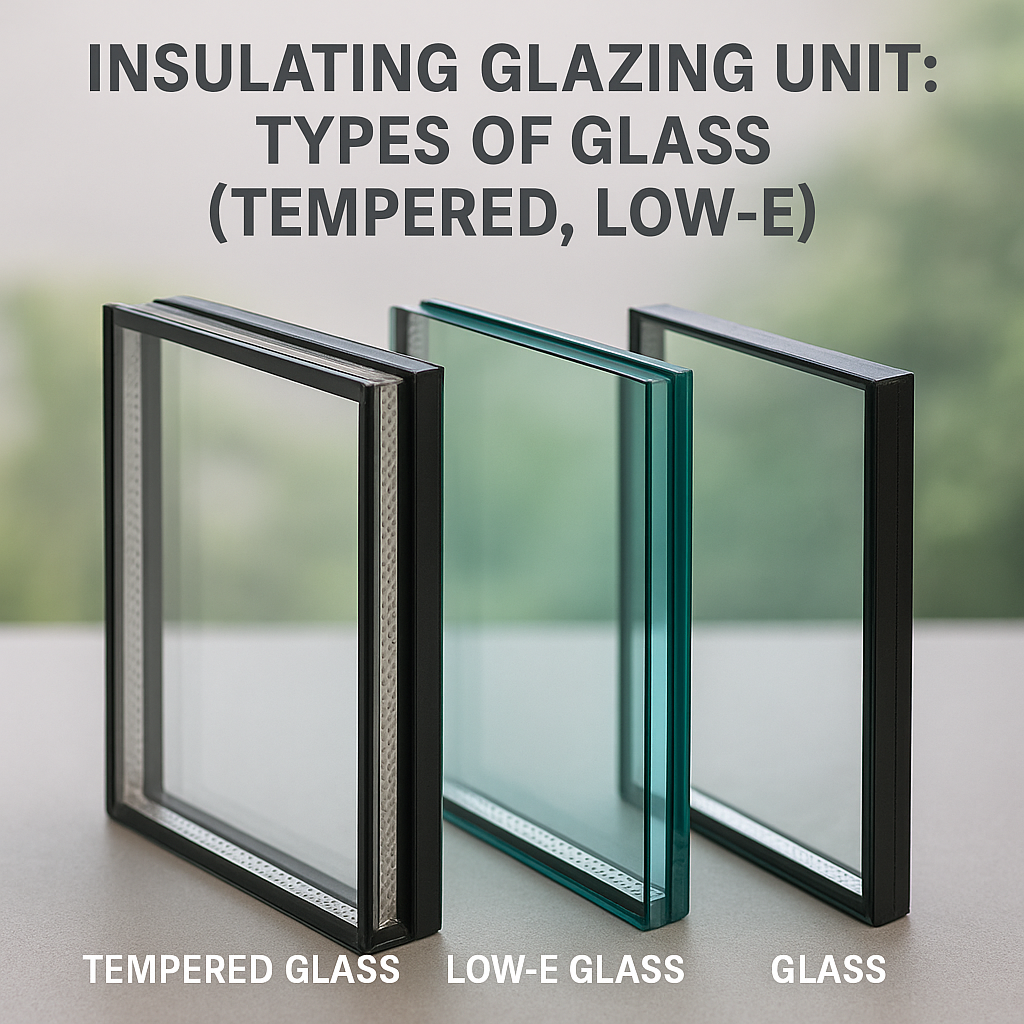
Energy efficiency, sustainability, and occupant comfort are among the top priorities in modern architecture. Central to achieving these goals is the insulating glazing unit (IGU), a multi-layered window system that improves thermal performance and minimizes energy loss. But beyond gas fills and spacer technologies, one critical factor influencing the effectiveness of an IGU is the type of glass used.
In this article, we explore the different glass types commonly used in insulating glazing units – especially tempered glass and Low-E glass – and how each contributes to performance, durability, and energy efficiency.
What is an Insulating Glazing Unit?
An insulating glazing unit (IGU) is made up of two or more panes of glass separated by a spacer and sealed to form an air- or gas-filled cavity. This design reduces thermal transfer, dampens sound, and increases building insulation.
However, the performance of an IGU is only as strong as the glass it contains. Glass type affects thermal conductivity, safety, solar control, and condensation resistance.
For foundational knowledge, see Insulating Glazing Unit: Energy Efficiency and Savings.
Importance of Glass Types in IGUs
The selection of glass plays a vital role in:
- Thermal insulation
- Strength and safety
- UV and solar control
- Soundproofing
- Condensation resistance
Modern IGUs may include one or more glass types in combination, depending on performance goals.
1. Tempered Glass (Toughened Glass)
Tempered glass is a heat-treated safety glass known for its strength and durability. It is manufactured by heating float glass to high temperatures and then rapidly cooling it.
Key Features:
- Four to five times stronger than standard annealed glass
- Breaks into blunt, granular pieces rather than sharp shards
- Withstands greater temperature differentials
- Meets safety codes for building exteriors and doors
Benefits in IGUs:
- Enhanced impact resistance, ideal for high-wind areas
- Improved thermal stress resistance, reduces risk of breakage in varying climates
- Safety compliance, suitable for commercial, residential, and high-traffic areas
Tempered glass is especially valuable in large-format IGUs, such as JUMBO MULTI’ARRISSER applications.
For safe handling and installation of tempered panes, professional glaziers rely on tools like:
2. Low-E Glass (Low-Emissivity Glass)
Low-E glass features a microscopically thin metallic coating that reflects infrared (heat) radiation while allowing visible light to pass through. It is one of the most important advancements in insulating glass technology.
Types of Low-E Coatings:
- Hard Coat: Durable, applied during manufacturing
- Soft Coat: Applied in vacuum chambers for better performance but more delicate during processing
Benefits in IGUs:
- Reduces heat loss in winter by reflecting indoor warmth
- Minimizes solar heat gain in summer by reflecting external infrared radiation
- Preserves daylight, maintaining natural lighting indoors
- Enhances energy efficiency, reducing HVAC load
Low-E glass is almost always paired with gas fills (argon, krypton) and warm-edge spacers to achieve high-performance double or triple glazing.
For deeper insight into how IGUs mitigate moisture, see Insulating Glazing Unit: Reducing Condensation and Moisture.
3. Laminated Glass
Laminated glass is made by bonding two or more sheets of glass with a plastic interlayer, usually polyvinyl butyral (PVB).
Features:
- Retains fragments upon breakage
- Blocks 99% of UV rays
- Reduces sound transmission
IGU Applications:
- Security glazing (banks, schools)
- Noise reduction in urban areas
- UV protection for furnishings and interiors
4. Float Glass
Float glass is the base material for most architectural glazing. It is made by floating molten glass on a bed of molten tin, resulting in a smooth, uniform sheet.
While not as strong as tempered or laminated glass, float glass is widely used in IGUs and can be upgraded with coatings or treatments to improve performance.
5. Annealed Glass
Annealed glass is untreated standard glass that has been slowly cooled to relieve internal stresses. It is the most basic type of glazing used in older IGUs.
However, it is:
- Brittle
- Prone to sharp breakage
- Not ideal for modern safety or thermal performance standards
Choosing the Right Glass Type for Your IGU
Considerations:
- Climate: Tempered and Low-E glass are ideal for cold or fluctuating climates.
- Building height: High-rises demand safety glazing like tempered or laminated glass.
- Security needs: Choose laminated glass in vulnerable locations.
- Energy goals: Use Low-E with gas fills and warm-edge spacers.
For more on spacer materials and how they affect IGU performance, read Insulating Glazing Unit: Spacer Types and Their Importance.
Glass Combinations for High Performance
IGUs can include different types of glass in the same unit:
- Tempered + Low-E: Strength + energy efficiency
- Laminated + Low-E: Safety + solar control
- Tempered + Laminated: Impact + shatter resistance
These combinations are often used in triple-glazing or VIG (vacuum insulated glazing) setups.
Sustainability and Environmental Impact
Using advanced glass types in IGUs significantly reduces:
- Carbon emissions from HVAC use
- Indoor heat loss and gain
- Long-term maintenance and replacement costs
Glass performance can be paired with green building elements, such as those described in Bright View Landscape with Green Waste Reduction Tips, to maximize sustainability across the property.
Conclusion
The insulating glazing unit has become a critical component of modern construction – but its success depends heavily on the type of glass used. Whether it’s the strength of tempered glass, the energy-saving properties of Low-E coatings, or the safety features of laminated glass, selecting the right configuration ensures you get the most value from your IGU.
By combining advanced glass technologies with high-performance spacers, coatings, and professional installation tools, you can create an insulating glass system that delivers unmatched energy efficiency, durability, and indoor comfort.