
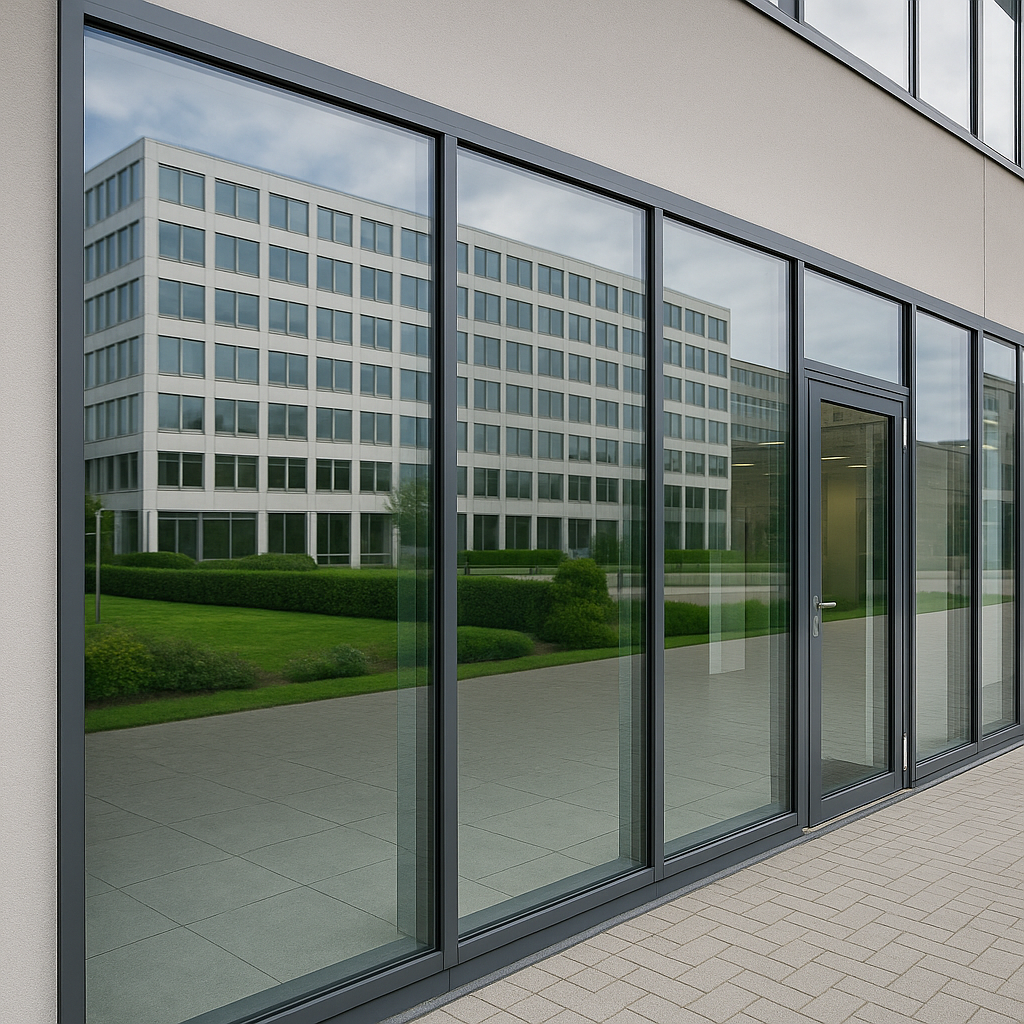
In the era of sustainable architecture and energy-efficient construction, the insulating glazing unit (IGU) has become indispensable for office and commercial buildings. These multi-pane systems not only reduce energy costs but also improve comfort, soundproofing, and aesthetics, making them an integral part of modern infrastructure.
This article explores the role of IGUs in office and commercial buildings, highlighting their performance benefits, applications, and long-term advantages.
What Is an Insulating Glazing Unit?
An insulating glazing unit consists of two or more panes of glass separated by a spacer and sealed to form a cavity filled with either air, inert gases (argon, krypton), or a vacuum. This structure minimizes heat transfer and delivers superior energy efficiency compared to single-pane systems.
IGUs are used in commercial applications such as:
- High-rise office towers
- Retail complexes
- Hotels and hospitality venues
- Institutional buildings (universities, hospitals)
For detailed information about glass types, see Insulating Glazing Unit | Types of Glass (Tempered, Low-E).
Benefits of IGUs in Office and Commercial Settings
1. Energy Efficiency and Cost Savings
Commercial buildings have large surface areas of glass, making thermal control critical. IGUs drastically reduce HVAC demands, cutting energy bills by 25–40%.
Gas fills enhance performance further. Learn more at Insulating Glazing Unit | Gas Filling (Argon, Krypton, Air).
2. Noise Reduction
City offices and commercial centers often face high noise levels. IGUs with laminated or varying thickness panes achieve STC ratings of 40–45 dB, blocking out urban noise and ensuring a comfortable work environment.
3. Condensation and Humidity Control
With optimized spacers and seals, IGUs reduce condensation on large curtain walls and storefront windows. For homes, similar benefits apply (see Insulating Glazing Unit | Use in Residential Doors and Windows).
4. Aesthetic and Design Flexibility
Architects can use IGUs in expansive glass facades, skylights, and atriums without compromising thermal performance. Options include tinted, reflective, and Low-E coatings.
5. UV and Solar Control
Low-E coatings block up to 99% of UV radiation, protecting office interiors from fading while reducing solar heat gain.
IGU Configurations in Commercial Buildings
| Configuration | Application | Benefit |
|---|---|---|
| Double glazing (argon fill) | Office windows, retail facades | Balance of performance and affordability |
| Triple glazing (argon/krypton fill) | High-rise offices, conference centers | Best insulation, noise and climate control |
| Vacuum insulated glazing | Iconic skyscrapers, retrofits | Exceptional performance, slim profile |
| Acoustic IGUs | Buildings near highways/airports | Superior soundproofing |
Longevity and Maintenance
High-quality IGUs can last 25–35 years when paired with proper edge spacers and durable seals. Commercial-grade IGUs feature advanced warm-edge spacer technology that reduces thermal bridging and condensation risks.
Periodic inspections ensure seals remain intact, preventing gas leaks and moisture ingress.
Sustainability and Environmental Benefits
Energy-efficient IGUs directly reduce carbon emissions by lowering HVAC consumption. Many commercial projects incorporating IGUs earn certifications like LEED or BREEAM.
Pairing IGUs with sustainable practices like Bright View Landscape with Green Waste Reduction Tips creates a holistic approach to green building.
Applications Beyond Facades
While large glass facades are the most visible, IGUs are also used in:
- Partitions in modern office layouts
- Conference room walls with acoustic control
- Hotel and restaurant windows balancing transparency with efficiency
Commercial Fabrication and Handling
The production and installation of IGUs in commercial projects require precision and expertise, similar to specialized trades like Countertop Fabricators and stone fabricators. Each ensures durability, accuracy, and high-quality finishes.
Future of IGUs in Commercial Buildings
With advancements in vacuum glazing and smart glass technology, the future of IGUs in commercial buildings looks promising. Features like automated tinting and integrated photovoltaic cells may soon become standard, transforming office facades into energy-producing assets.
Conclusion
The insulating glazing unit is more than just a window system; it is a high-performance solution that elevates energy efficiency, noise reduction, and sustainability in office and commercial buildings. From towering glass skyscrapers to local retail shops, IGUs represent a long-term investment in comfort, design, and environmental responsibility.
As businesses aim for eco-conscious growth, IGUs will continue to be a cornerstone of modern architecture—delivering performance and aesthetics in equal measure.