
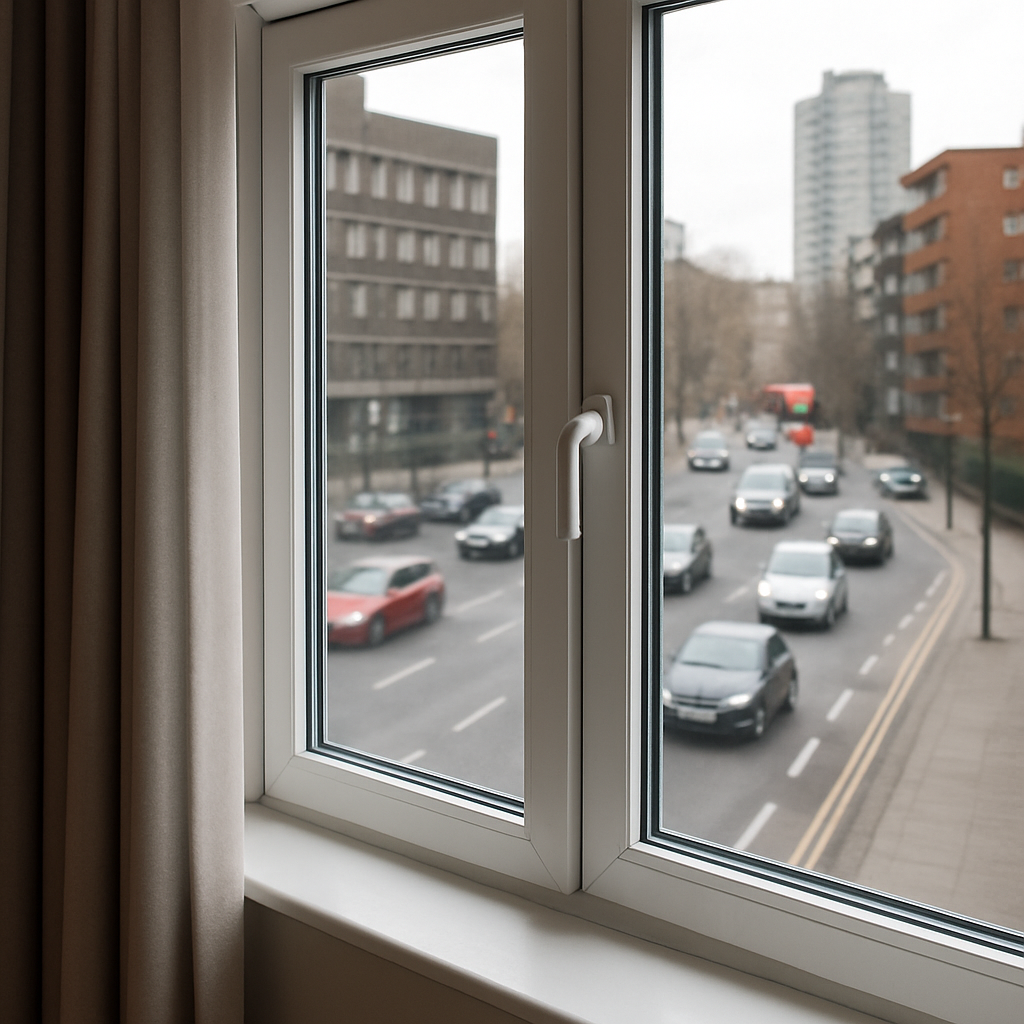
Life in the city has undeniable advantages — shorter commutes, endless dining and entertainment options, and a vibrant, dynamic lifestyle. However, it also comes with challenges, particularly noise pollution. From traffic and construction to nightlife and rail systems, the constant hum of urban energy can create stress and disturb home comfort.
An insulating glazing unit (IGU), commonly known as double glazing or triple glazing, provides a powerful solution to reduce unwanted noise. By combining multiple glass panes with insulating cavities, IGUs create effective barriers that block or dampen sound waves, delivering quieter indoor spaces in even the busiest environments.
This article explores how insulating glazing units help with soundproofing in urban areas, their benefits, and what design choices can further optimize acoustic performance.
What is an Insulating Glazing Unit?
An insulating glazing unit is made up of two or more glass panes separated by a spacer and sealed to form a single unit. The cavity between panes can be filled with air, argon, krypton, or even a vacuum to improve insulation.
Originally designed for thermal efficiency, IGUs also provide excellent noise reduction. When sound waves travel through multiple glass layers and gaps filled with air or gas, their energy is disrupted and weakened, significantly lowering the amount of noise that enters a building.
To ensure durability and comfort, IGUs require proper upkeep. Learn more in Insulating Glazing Unit | Lifespan and Routine Maintenance.
How IGUs Reduce Noise in Urban Homes
1. Creating a Sound Barrier
Unlike single-pane windows, IGUs have multiple glass layers. This design interrupts the path of sound waves. As sound passes from glass to gas-filled cavity and then back to glass, its intensity diminishes.
- Argon or krypton gas filling enhances this effect, as gases are denser than air and provide greater sound insulation.
- The more layers and insulating zones, the harder it is for external noise to penetrate.
2. Low-Frequency Noise Reduction
Urban areas often expose residents to low-frequency sounds from trains, highways, and industrial zones. These sounds travel farther and penetrate walls and windows more easily.
IGUs, particularly triple glazing or laminated glass designs, excel at reducing low-frequency noise by dispersing the energy of long sound waves across multiple layers.
3. Pane Thickness and Asymmetry
The effectiveness of IGUs for soundproofing depends heavily on pane thickness and cavity size:
- Thicker panes provide better sound insulation due to higher mass.
- Asymmetrical panes (e.g., one pane 6mm, another 8mm) disrupt different frequencies, improving performance across the sound spectrum.
- Wider cavities (20mm or more) allow better noise dampening compared to narrow gaps.
4. Laminated Glass for Extra Protection
Adding laminated glass to IGUs creates another layer of defense. Laminated panes, bonded with an interlayer such as Polyvinyl Butyral (PVB), absorb sound vibrations while improving strength and safety.
When laminated glass is combined with double glazing, homes in noisy city centers can experience a substantial reduction in noise levels.
Benefits of Insulating Glazing Units in Cities
- Peaceful Indoor Environment – Reduced sound levels promote relaxation and better sleep.
- Improved Energy Efficiency – IGUs minimize both heat loss and sound intrusion.
- Condensation Control – Warm interior surfaces reduce condensation and mold growth.
- Enhanced Property Value – High-performance windows are attractive to urban buyers.
- Sustainability – Soundproof IGUs align with eco-friendly building practices, much like Bright View Landscape with Green Waste Reduction Tips.
IGUs in Smart and Modern Buildings
Noise reduction is only one part of IGU performance. In smart building automation systems, IGUs can integrate with sensors and shading controls to enhance comfort and efficiency. Explore this further in Insulating Glazing Unit | Smart Building Automation Systems.
For developers and architects, IGUs are now essential in office and commercial buildings where employee productivity and well-being depend on acoustic comfort. Read more at Insulating Glazing Unit | For Office and Commercial Buildings.
U-Value and R-Value: Acoustic and Thermal Connection
Although U-values and R-values primarily measure thermal performance, they are closely tied to acoustic efficiency. High-quality IGUs with low U-values often also provide stronger noise reduction due to their advanced construction. Learn more in Insulating Glazing Unit | U-Value and R-Value Explained.
Practical Considerations for Urban Noise Reduction
- Choose at least double glazing with gas-filled cavities for standard noise reduction.
- Opt for laminated glass in high-noise environments (near airports, highways, or train tracks).
- Ensure professional installation to avoid gaps that undermine performance.
- Combine with building design strategies, such as thick curtains, acoustic walls, and landscaping with trees or kerb stone barriers, for maximum results.
Professional Installation and Handling
Installing IGUs in multi-storey buildings or compact urban spaces often requires specialized equipment. Just as a material handling trolley ensures safety and efficiency when transporting heavy materials, professional glazing tools and expertise guarantee correct installation for long-term soundproofing benefits.
Conclusion
Noise pollution is one of the most pressing challenges of modern city life. Fortunately, insulating glazing units offer an effective, durable, and versatile solution for soundproofing in urban areas. By combining multiple panes of glass, gas-filled cavities, laminated options, and professional installation, IGUs create quiet, comfortable interiors without sacrificing natural light or energy efficiency.
Whether for homes, offices, or commercial buildings, IGUs remain a cornerstone of urban design, allowing residents to enjoy the vibrancy of city life without being overwhelmed by its noise.