
Insulating glazing units (IGUs), often known as double or triple glazing, have become a cornerstone of modern architecture for residential, commercial, and industrial buildings. Beyond their energy-saving capabilities, IGUs play a crucial role in improving comfort, reducing noise, and enhancing long-term property value. However, when it comes to upgrading or installing IGUs, cost is one of the first concerns for homeowners, contractors, and developers.
This article explores the cost breakdown and ROI factors of an insulating glazing unit, offering a detailed guide for anyone considering this investment.
What is an Insulating Glazing Unit?
An insulating glazing unit is a window system made of two or more panes of glass separated by a spacer and filled with air, argon, krypton, or vacuum. This construction reduces heat transfer, leading to significant improvements in thermal efficiency and acoustic insulation compared to single-pane windows.
IGUs come in several configurations, including:
- Double glazing: Two panes of glass separated by a spacer and insulating cavity.
- Triple glazing: Three panes of glass offering superior thermal and soundproofing performance.
- Vacuum glazing: High-tech units where air and gas are replaced by vacuum for exceptional insulation.
Cost Breakdown of Insulating Glazing Units
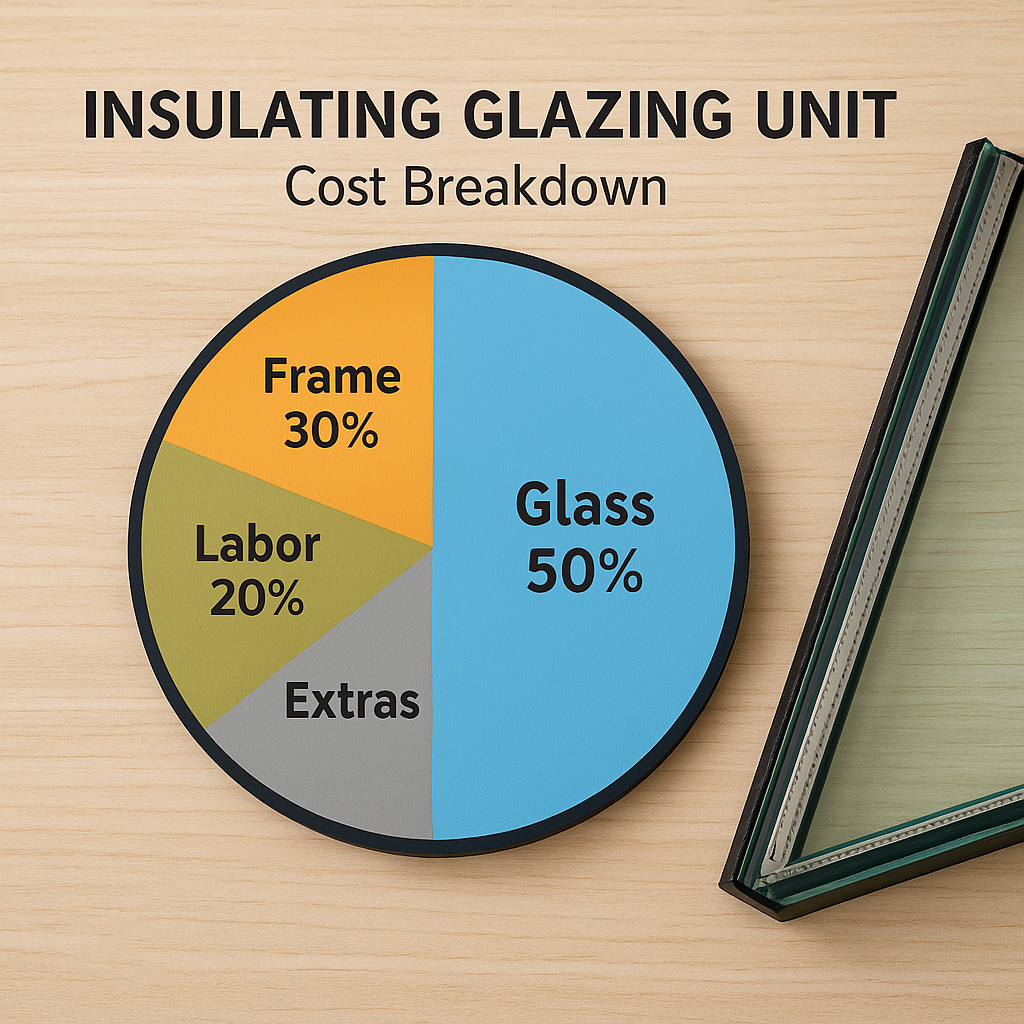
The price of IGUs depends on multiple variables, including glass type, frame material, labor, and additional features. Below is a typical cost structure:
1. Glass Type and Configuration
- Standard double glazing: The most affordable, usually $300–$600 per square meter.
- Triple glazing: Adds 20–40% more cost compared to double glazing, but with better thermal resistance.
- Specialty glass (Low-E, laminated, or tinted): Adds 10–30% more depending on coatings and UV protection.
👉 Related resource: Insulating Glazing Unit | Double vs. Triple Glazing Units
2. Spacer and Gas Fill
- Air-filled units: Lowest cost but limited performance.
- Argon-filled units: Standard choice; 5–10% more than air-filled units.
- Krypton or xenon-filled units: Premium option, significantly increasing costs.
3. Frame Material
- Aluminium frames: Affordable but require thermal breaks to improve insulation.
- uPVC frames: Popular mid-range choice with good insulation and low maintenance.
- Timber frames: Higher upfront costs but naturally insulating.
4. Labor and Installation
Professional installation typically accounts for 20–30% of the overall cost. Using a quality glass lifter during installation ensures safety and precision, especially for large or heavy IGUs in commercial projects.
5. Additional Features
- Laminated layers for soundproofing
- Custom shapes or oversized panels
- Security glazing
These features can add anywhere from 10–50% extra depending on complexity.
ROI Factors: Why Insulating Glazing Units Are Worth the Investment
The return on investment for IGUs comes from multiple areas, making them more than just an upfront expense.
1. Energy Savings
IGUs drastically reduce heat loss in winter and limit solar heat gain in summer. In cold climates, households save up to 30–40% annually on heating bills. Over 10–15 years, these savings can cover or exceed installation costs.
2. Increased Property Value
Energy-efficient homes are more attractive to buyers and renters. IGUs often boost property values by 5–10%, particularly in competitive urban markets.
3. Noise Reduction
Urban living brings traffic, construction, and neighborhood noise. High-performance IGUs reduce sound transmission by up to 50%, improving quality of life.
👉 Learn more: Insulating Glazing Unit | Soundproofing in Urban Areas
4. Durability and Longevity
A properly installed IGU can last 20–30 years with minimal maintenance. Premium models, especially vacuum-insulated units, may exceed 25 years of service life.
👉 For long-term performance, explore: Insulating Glazing Unit | Replacement Considerations Guide
5. Sustainability and Carbon Footprint Reduction
By reducing energy consumption, IGUs contribute to sustainability goals. This aligns with global efforts to cut carbon emissions and can also qualify buildings for green certifications.
👉 Related inspiration: Bright View Landscape | Sustainable Landscaping for a Greener Future
Comparing IGUs to Alternative Options
It’s important to compare IGUs with other solutions like single-pane glass or window films. While films may offer some improvement, they can’t match the multi-layer barrier effect of IGUs.
👉 See more in: Insulating Glazing Unit | IGUs vs. Window Films Compared
Practical Considerations Before Buying IGUs
When planning an IGU upgrade, consider the following:
- Climate Zone – Triple glazing makes more sense in colder regions, while double glazing may suffice in temperate climates.
- Budget vs. Long-Term ROI – Higher upfront costs (e.g., krypton-filled triple glazing) may offer better ROI in regions with extreme temperature fluctuations.
- Installation Quality – Poor installation can lead to condensation and premature seal failure. Always hire professionals with experience and the right tools like glass lifters.
- Customization Needs – Noise concerns, UV protection, or architectural aesthetics may require specialized glazing or laminated options.
Conclusion
Investing in an insulating glazing unit is one of the smartest long-term decisions property owners can make. While costs vary depending on glazing type, frame material, and installation complexity, the ROI from energy savings, noise reduction, durability, and property value makes IGUs a high-value investment.
Whether you are upgrading a home, office, or large commercial property, consider not just the upfront price but the decades of benefits IGUs provide. With careful planning and professional installation, IGUs deliver both immediate comfort and long-term financial returns.