
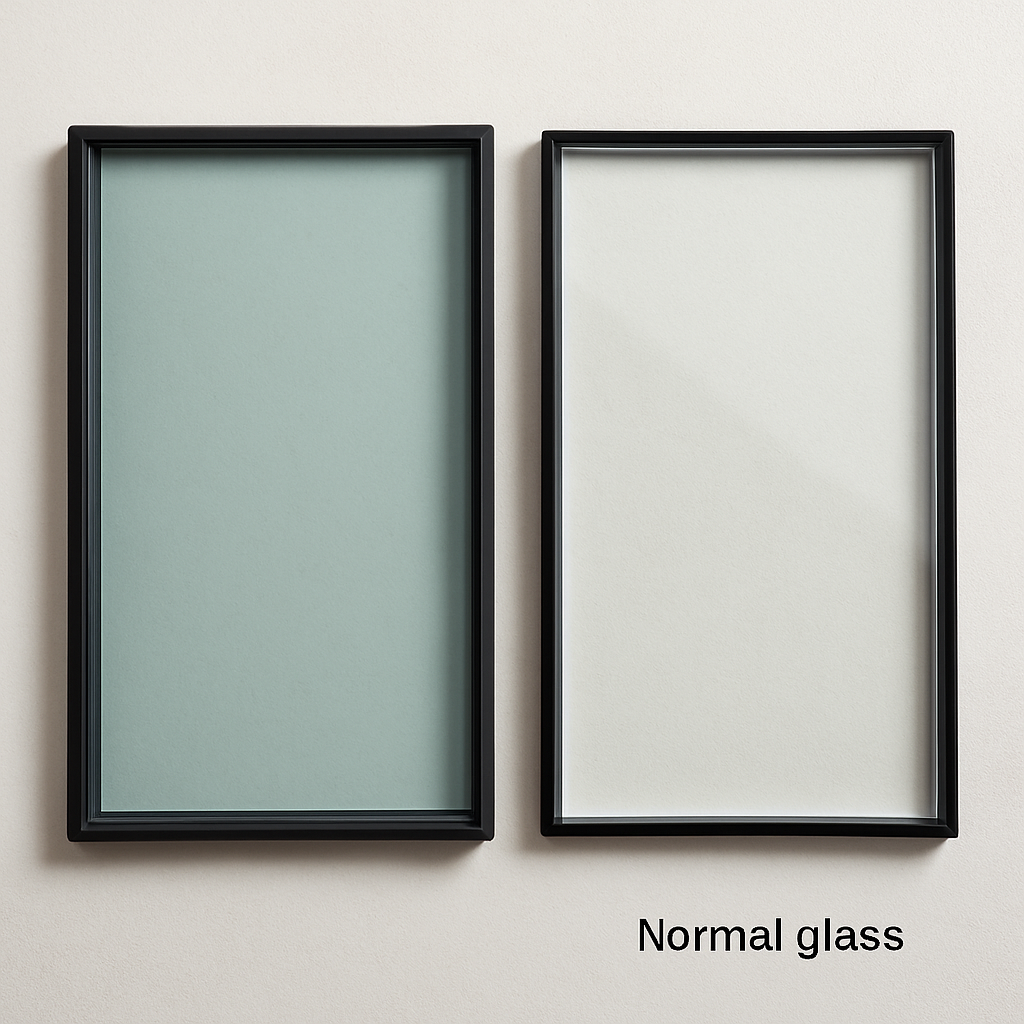
Windows and glass doors are more than just architectural features; they play a pivotal role in energy performance, comfort, and aesthetics. In recent years, glass low E (low-emissivity glass) has gained attention as an advanced glazing solution that outperforms traditional clear glass. But what makes this type of glass so unique? The answer lies in emissivity control, a design strategy that optimizes how glass interacts with heat, light, and radiation.
This article explores the science of emissivity, the benefits of low E coatings, and why this technology is a smart investment for homeowners and builders alike.
What Does “Low E” Mean in Glass?
The term Low-E refers to “low-emissivity.” Emissivity measures how much heat or infrared energy a material absorbs or emits. Standard glass has a high emissivity rate, meaning it readily transmits heat energy through conduction and radiation. This often results in greater indoor temperature fluctuations and higher energy bills.
By contrast, glass low E is manufactured with a thin, virtually invisible metallic or oxide coating. This specialized coating reflects interior heat back inside during winter and blocks solar radiation in summer—without reducing the amount of visible natural light entering the home. The result is glass that maintains comfort while reducing energy transfer.
The Science of Emissivity Control
How emissivity works
- High emissivity (normal glass): Easily absorbs and transfers heat. Your home loses warmth in winter and gains heat in summer.
- Low emissivity (Low-E glass): Reflects infrared radiation. Heat is contained or deflected, depending on seasonal needs.
By controlling emissivity, Low-E glass reduces thermal bridging and makes windows function as insulating systems, not just transparent enclosures.
Role of coatings
The coating in glass low E is applied to one or more glass surfaces within an insulating glazing unit (IGU). Depending on the coating type—hard coat (pyrolytic) or soft coat (sputtered)—the glass can provide varying levels of solar heat gain control and insulation.
Benefits of Glass Low E vs. Normal Glass
When comparing Low-E glass with standard clear glass, the advantages of emissivity control become clear:
1. Superior Energy Efficiency
An estimated 70% of energy loss in homes occurs through windows and doors. With glass low E, emissivity control ensures indoor heat is retained in winter and reflected outward in summer, lowering HVAC demands. According to Insulating Glazing Unit | Key Factors That Influence Price and Value, the right glazing choice can make a dramatic difference in reducing long-term energy expenses.
2. Enhanced Comfort
Low-E coatings reduce drafts and cold spots around windows, creating a more consistent indoor environment. Unlike standard glass, which can make spaces near windows uncomfortable during temperature extremes, glass low E balances thermal performance.
3. UV Protection
The coating also blocks harmful ultraviolet (UV) rays. This prevents fading and degradation of furniture, flooring, and artwork—something standard glass cannot guarantee.
4. Reduced Condensation
Emissivity control helps keep the glass surface warmer during colder months, minimizing condensation and reducing the risk of mold, mildew, or fogging between panes.
5. Durability
Although the coating is thin, it is applied on the inner surface of double- or triple-pane units, making it scratch-resistant and long-lasting.
Measuring Glass Low E Performance
Understanding the ratings of Low-E glass helps buyers make informed decisions:
- U-Factor: Indicates how well the glass prevents heat loss. Lower U-factors mean better insulation.
- Solar Heat Gain Coefficient (SHGC): Measures how much solar radiation passes through. Low SHGC values are better for hot climates, while higher values are useful in colder zones.
- Visible Transmittance (VT): Reflects how much natural light enters. Glass low E balances efficiency with brightness.
For deeper insight, see What Makes Glass Low E Different from Standard Glass?, which breaks down performance metrics in more detail.
Types of Glass Low E Coatings
Low-E coatings are designed to suit different climates and project needs:
- High solar gain Low-E: Ideal for cold climates where retaining heat is a priority.
- Low solar gain Low-E: Suited for hot climates, reducing cooling costs by blocking more solar heat.
- Moderate solar gain Low-E: Balances both heating and cooling performance, making it versatile for temperate climates.
Selecting the correct type is a critical buying factor for new projects. Visit Insulating Glazing Unit | Buying Factors for New Projects to explore additional considerations.
Glass Low E in Insulating Glazing Units (IGUs)
Glass low E works best when combined with insulating glazing units (IGUs), where multiple panes are separated by spacers and filled with gases like argon or krypton. These setups amplify the thermal and acoustic benefits of emissivity control.
Modern construction projects increasingly specify Low-E IGUs for compliance with energy codes and sustainability standards. For larger installations, handling and installation often require professional lifting equipment such as a Gantry Crane or precision-based tools for material handling.
Is Glass Low E Worth the Cost?
While Low-E glass can cost more than normal clear glass, its long-term benefits justify the investment:
- Lower energy bills
- Extended life of home interiors (furniture, flooring, art)
- Better comfort and indoor air quality
- Increased property value
The payback period varies depending on climate, but in most cases, homeowners see a return on investment within a few years thanks to energy savings.
Sustainability and Environmental Impact
Beyond financial savings, choosing glass low E is also an environmentally conscious decision. By lowering heating and cooling demand, Low-E glass reduces greenhouse gas emissions associated with household energy use.
For those pursuing broader eco-friendly goals, concepts like BrightView Landscape | Smart Gardening & Waste Reduction complement sustainable building practices, highlighting how thoughtful design choices inside and outside the home contribute to a greener future.
Conclusion
Glass low E is specifically designed with emissivity control to provide superior thermal efficiency, UV protection, and durability compared to standard glass. While the upfront cost may be higher, the long-term savings on energy bills, improved comfort, and sustainability benefits make it a clear winner for modern construction and retrofitting projects.
Whether you’re building a new home, renovating, or upgrading windows, Low-E glass offers a future-proof solution that blends performance with environmental responsibility.