
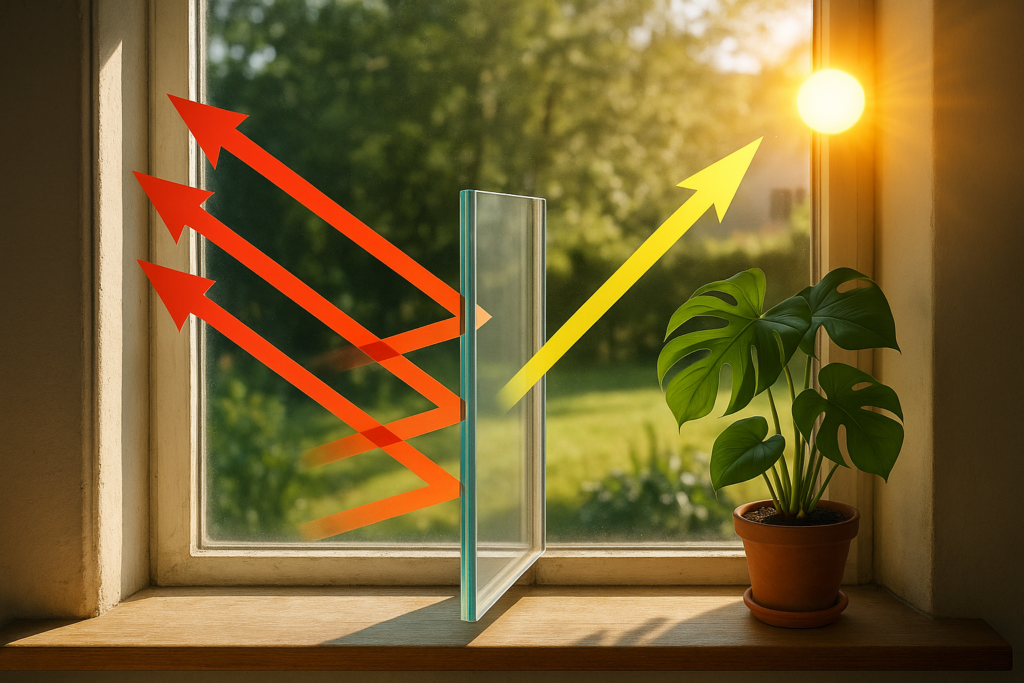
When it comes to energy efficiency in modern buildings, glass low e technology has become one of the most effective innovations. Unlike standard glass, which freely allows heat and ultraviolet radiation to pass through, low-emissivity (Low-E) glass uses advanced science to reflect heat energy while still letting in natural light. This article breaks down the science behind Low E glass, explores how it works, and why it’s a game-changer for homes and commercial spaces alike.
Understanding the Basics: What is Glass Low E?
The term Low E stands for low emissivity, which refers to a material’s ability to emit radiant energy. In simple terms, emissivity measures how much heat is radiated by a surface. Standard clear glass has high emissivity, meaning it readily transfers heat energy between indoors and outdoors. By contrast, glass low e is coated with an ultra-thin, transparent metallic layer that dramatically reduces this transfer.
This specialized coating reflects infrared radiation (responsible for heat) while allowing visible light to pass through. As a result, Low-E glass creates an effective balance between thermal insulation and natural brightness.
The Science Behind Low-E Glass: How Does It Work?
The operation of Low-E glass relies on fundamental physics — particularly radiation, reflection, and absorption.
1. Infrared Radiation and Heat Transfer
Heat is primarily transferred through infrared radiation. Standard glass allows infrared radiation to pass through, leading to energy loss in winter and unwanted heat gain in summer. Low-E coatings reflect these infrared wavelengths, keeping warmth inside during winter and reflecting solar heat outside in summer.
2. Emissivity Control
The glass low e coating reduces emissivity to as low as 0.04 compared to ordinary glass, which is around 0.84. This means Low-E glass radiates only a small fraction of heat energy compared to normal glass, greatly improving insulation.
3. Selective Transparency
While blocking infrared radiation, Low-E coatings remain transparent to visible light. This selective control is achieved by the thin metallic oxide layers applied to the surface, ensuring indoor spaces are well lit without sacrificing comfort.
4. Multiple Coating Types
There are two primary categories of Low-E coatings:
- Hard-Coat (Pyrolytic): Applied during the glass manufacturing process, fused to the glass surface. More durable but less efficient.
- Soft-Coat (Sputtered): Applied later in vacuum chambers. Offers superior performance for both solar control and insulation but requires more protection during installation.
Benefits of Glass Low E Explained by Science
- Energy Efficiency: By reducing radiant heat transfer, Low-E glass lowers heating costs in winter and cooling costs in summer.
- UV Protection: The coating blocks up to 90% of harmful UV rays, preventing furniture, flooring, and fabrics from fading.
- Comfort Control: Maintains consistent indoor temperatures by reducing cold drafts near windows and preventing overheating near sunny exposures.
- Condensation Reduction: Warmer surface temperatures on interior panes reduce condensation buildup.
Scientific Ratings That Define Glass Low E
When evaluating Low-E glass performance, several measurable factors come into play:
- U-Factor: Measures heat transfer. Lower values mean better insulation.
- Solar Heat Gain Coefficient (SHGC): Indicates how much solar radiation enters. Lower is better for hot climates, higher for cold climates.
- Visible Transmittance (VT): Refers to how much natural light passes through.
- Low-E Glass Ratings: Categories such as Low-E2 and Low-E3 specify the number of coating layers, with Low-E3 offering stronger all-season performance.
Practical Applications of Low-E Glass
1. Residential Homes
In homes, glass low e ensures year-round comfort by preventing heat from escaping in winter and blocking solar gain in summer. It is particularly beneficial in regions with extreme climates.
2. Commercial Buildings
Large glass facades in offices can cause major energy inefficiencies. Low-E glazing mitigates these losses and contributes to sustainable building standards like LEED.
3. Specialty Uses
Low-E coatings can be customized for specific needs — from soundproof laminated Low-E glass for urban environments to triple-pane Low-E IGUs for cold-weather construction.
Comparing Glass Low E with Normal Glass
| Feature | Normal Glass | Glass Low E |
|---|---|---|
| Heat Transfer | High (poor insulation) | Very Low (excellent insulation) |
| UV Protection | Minimal | Blocks up to 90% |
| Energy Savings | None | Significant |
| Durability | Standard | Long-lasting with coating protection |
| Appearance | Clear | Slight blue-green tint |
The comparison clearly demonstrates that glass low e is designed to outperform standard glass in virtually all energy-related metrics.
Industry Tools That Support Glass Handling
Modern construction projects that incorporate glass low e often require specialized equipment to handle heavy and delicate glass safely.
- A scissor lifter is useful for lifting and positioning glass panels securely.
- A Gantry Crane provides mobility and support for installing larger IGUs, ensuring safety and efficiency.
These tools are essential for both glass fabricators and installers to prevent damage and improve installation precision.
Related Insights on Glass and IGUs
For further exploration of glazing technologies and investment considerations, check out these related resources:
- Which Types of Glass Low-E Coating Work Best Indoors?
- What Makes Glass Low E Different from Standard Glass?
- Why is Glass Low E Designed with Emissivity Control?
- BrightView Landscape | Smart Gardening & Waste Reduction
Conclusion: Why Science Makes Glass Low E the Smart Choice
The science behind glass low e lies in its ability to control emissivity, block harmful infrared radiation, and allow natural light transmission. With measurable improvements in U-factors, SHGC, and visible transmittance, it provides a practical solution for energy savings, comfort, and UV protection.
Whether you’re upgrading your home windows or planning a commercial building, Low-E glass represents a scientifically proven investment that pays back in reduced utility bills, enhanced comfort, and long-term durability.
If energy efficiency and sustainability matter to your project, glass low e is not just an option—it’s the future of modern glazing.