
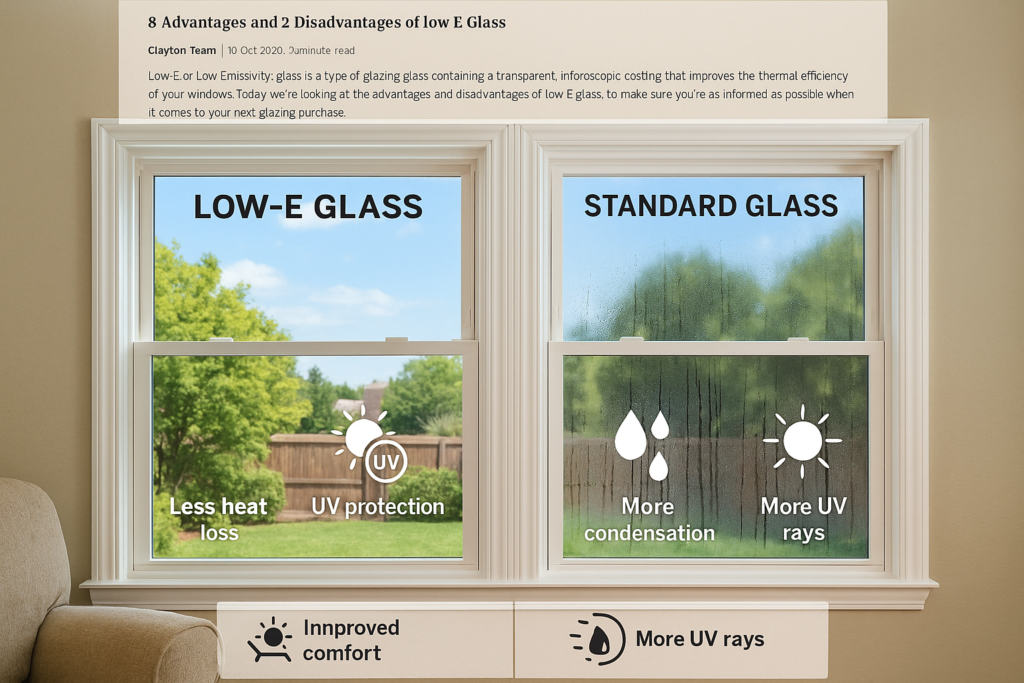
When it comes to designing or upgrading a home, one of the most overlooked elements is the choice of glass. While glass might seem like a simple material, it plays a huge role in insulation, energy efficiency, and even how comfortable you feel inside your living space. One of the most advanced options available today is glass Low E, or low-emissivity glass. This type of glass has a thin, invisible coating that controls heat transfer, improving the overall comfort and energy efficiency of a home.
In this article, we’ll explore the key benefits of glass Low E, how it improves daily living, and why it has become a top choice for modern homeowners seeking comfort, savings, and sustainability.
What Is Glass Low-E?
Glass Low E (low-emissivity glass) is essentially standard glass enhanced with a microscopic metallic oxide coating. This coating reduces the amount of infrared and ultraviolet light that can pass through the glass without compromising the amount of natural light entering your home.
- Clear glass: High emissivity (about 0.9) and poor insulation.
- Low-E glass: Lower emissivity (as low as 0.05), reflecting heat in winter while deflecting excess solar radiation in summer.
This smart balance means homes stay warmer in cold seasons and cooler during hot months, without the need for over-reliance on HVAC systems.
1. Superior Insulation for Year-Round Comfort
One of the biggest advantages of glass Low-E is its ability to insulate your home. During winter, the low-emissivity coating reflects heat back indoors, reducing heat loss by up to 50% compared to standard clear glass. In summer, the coating reflects solar radiation, helping maintain cooler indoor temperatures.
This insulation capability ensures:
- Consistent indoor temperatures throughout the year.
- Lower reliance on heaters and air conditioners, saving energy and reducing bills.
- Elimination of cold drafts near windows during chilly months.
2. Solar Heat Control for Summer Comfort
Hot summers can make indoor spaces unbearable without proper glazing. With glass Low-E, solar heat gain is significantly reduced, often lowering the solar heat gain coefficient (SHGC) to as low as 0.14 when combined with tints.
This ensures:
- A cooler home environment, even with sunlight streaming in.
- Reduced use of fans or air conditioning.
- Longer comfort for activities like cooking, working, or simply relaxing by the window.
For homeowners, this means more enjoyable summers without the high costs of cooling.
3. Enhanced UV Protection
Another crucial benefit of glass Low-E is UV protection. The coating blocks almost 100% of ultraviolet rays, which are notorious for causing fading and damage to interior items.
Protected items include:
- Carpets and rugs.
- Furniture and upholstery.
- Artwork, photographs, and painted walls.
This protective ability extends the lifespan of household items, keeping your interiors looking vibrant and fresh for longer.
4. Noise Reduction for Peaceful Living
Modern glass Low-E is often used in insulating glazing units (IGUs), where multiple panes of glass are combined with gas fills like argon or krypton. These setups not only improve energy efficiency but also significantly reduce noise transmission.
If you live near a busy road, urban area, or airport, glass Low-E windows can cut down noise levels by 30–40%, giving you a quieter, more peaceful living space.
5. Reduction in Condensation
Condensation is more than just a nuisance; it can lead to mold growth, mildew, and window damage. Because glass Low-E maintains a warmer interior surface during cold months, condensation on the inside of windows is minimized.
This helps maintain:
- Clear views through windows.
- Healthier indoor air quality by reducing mold and mildew risks.
- Longer-lasting window frames and structures.
6. Durability and Long-Term Protection
Unlike aftermarket films or temporary coatings, glass Low-E coatings are fused directly to the glass during manufacturing. This means:
- They cannot be scratched or wiped away.
- Their reflective and protective properties last for decades.
- They remain effective even when combined with other technologies, like laminated or toughened glass.
This durability makes Low-E glass a long-term investment in home comfort and value.
7. Energy Savings and Lower Bills
Comfort is not just about temperature—it’s also about cost. By lowering the need for constant heating or cooling, glass Low-E windows can reduce household energy bills by 10–30% annually, depending on climate.
This also lowers your household’s overall energy usage, reducing its carbon footprint and making your home more eco-friendly.
8. Balanced Light and Reduced Glare
Standard glass lets in all visible light, often causing glare that makes rooms uncomfortable and puts strain on your eyes. Glass Low-E reduces glare while still letting in natural light, giving your home a softer, more pleasant brightness.
Whether you’re working on a computer, watching TV, or enjoying a meal, glare reduction significantly enhances daily comfort.
Are There Disadvantages?
While glass Low-E offers incredible comfort benefits, it’s important to acknowledge potential downsides:
- Higher upfront cost compared to standard glass. However, the investment often pays for itself through reduced energy bills.
- Slight tint effect (blue-green hue), which some homeowners may notice compared to the full clarity of standard glass.
Despite these minor drawbacks, the overall benefits far outweigh the disadvantages, especially for long-term comfort and savings.
Applications of Glass Low-E in Homes
- Windows: The most common application, offering insulation, UV protection, and noise reduction.
- Doors with glazing panels: For entry doors, patio doors, or bifold doors.
- Skylights and roof glass: Prevents excess heat gain while still allowing daylight.
- Conservatories and sunrooms: Keeps spaces usable year-round.
Related Resources for Homeowners
If you’re considering glass Low-E as part of your next home improvement or building project, these resources may also interest you:
- Scissor lifter – Equipment for safe handling of heavy glass panes.
- Slab lifter – A practical tool for efficient installation.
- Which Types of Glass Low-E Coating Work Best Indoors?
- What Science Explains How Glass Low E Reflects Heat?
- Why Does Glass Low E Improve Energy Efficiency Most?
- BrightView Landscape | Smart Gardening & Waste Reduction
Conclusion
Glass Low-E is much more than just a window upgrade—it’s a comprehensive solution to home comfort. By offering superior insulation, UV protection, noise reduction, and durability, it transforms living spaces into more energy-efficient, peaceful, and enjoyable environments.
While it comes at a higher upfront cost, the benefits—lower bills, increased comfort, and reduced environmental impact—make it one of the smartest investments homeowners can make today.
If you’re ready to improve your home’s comfort and efficiency, glass Low-E is the clear choice.