
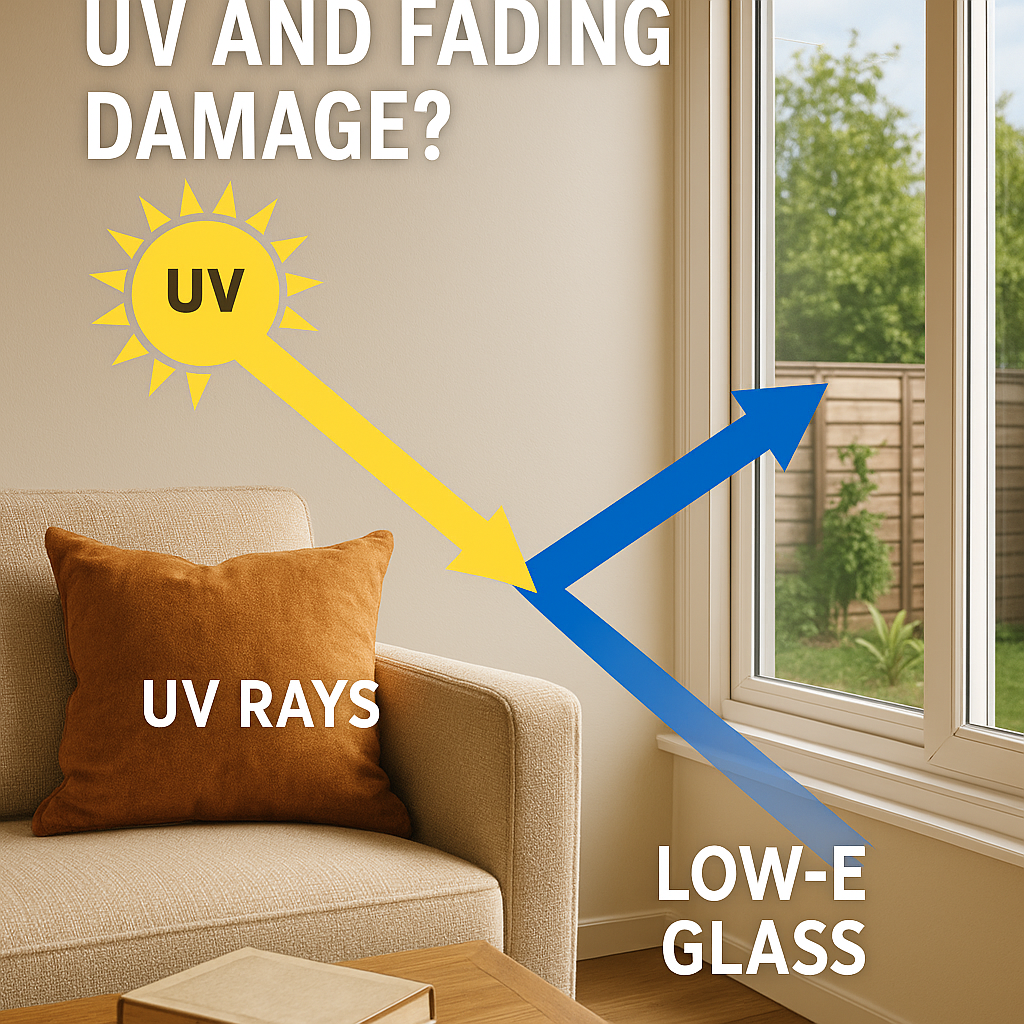
Choosing the right type of glazing for your home or commercial project goes far beyond aesthetics. Modern homeowners and builders are increasingly aware of the role that glass plays in energy efficiency, indoor comfort, and even long-term protection of furnishings. One of the most innovative advancements in this field is glass low e (low-emissivity glass). Beyond energy savings, a key question many ask is: When does glass low e effectively reduce UV exposure and minimize fading damage to interiors?
This article will explore how low e coatings work, their role in blocking ultraviolet (UV) rays, the circumstances in which they provide the most benefit, and how to balance performance with cost.
Understanding Glass Low E Technology
Glass low e is essentially clear glass enhanced with a microscopically thin, invisible coating of metallic oxide. This coating is engineered to reduce the emissivity of the glass, meaning it reflects more infrared and UV energy than untreated glass while still allowing natural light to pass through.
- Normal clear glass has an emissivity around 0.9, which means 90% of heat energy passes through.
- Glass low e reduces emissivity to as low as 0.05, reflecting heat back into the home in winter and deflecting solar gain in summer.
But one of the less-discussed yet critical features of low-e coatings is their ability to limit UV penetration—the invisible radiation that causes furniture, flooring, artwork, and fabrics to fade.
How UV Causes Fading Damage Indoors
UV radiation is invisible to the eye, but it packs energy that interacts with dyes, pigments, and organic materials. Over time, exposure breaks down the chemical bonds in fabrics, wood, and finishes, causing noticeable fading or discoloration.
Some common examples include:
- Fading of hardwood floors and rugs near windows.
- Dulling of wall paint exposed to sunlight.
- Yellowing or cracking of upholstered furniture.
- Fading of framed artwork and photographs.
While normal glass already blocks some UV radiation (approximately 25%), glass low e blocks up to 95–99%, drastically extending the lifespan of indoor materials.
When Glass Low E Provides the Most UV Protection
Not every room or project requires the same level of UV resistance. Here are the key situations where glass low e is most effective:
1. Rooms with Large Windows or Skylights
If your home features expansive glazing, sunlight exposure can be intense. Low-e coatings applied to these panes prevent accelerated fading in sun-drenched living rooms, offices, or conservatories.
2. Homes in Sunny or High-Altitude Climates
Regions with stronger solar radiation (e.g., desert climates or high altitudes) experience more UV intensity year-round. In these conditions, glass low e becomes indispensable for protecting interiors.
3. South- and West-Facing Rooms
These orientations receive the most direct sunlight throughout the day. Low-e coatings reflect unwanted radiation while still letting in natural light.
4. Areas with Valuable Furnishings or Artwork
Museums, galleries, and high-end residential spaces with irreplaceable items benefit enormously from glass low e. By reducing UV transmission, delicate materials maintain their original vibrancy longer.
5. Energy-Efficient and Sustainable Homes
Low-e technology is not only about comfort but also about sustainability. By blocking UV, homes require less artificial cooling and lighting adjustments, complementing broader eco-friendly designs such as those in BrightView Landscape | Smart Gardening & Waste Reduction.
How Glass Low E Balances UV Protection with Visible Light
One common concern is whether UV protection reduces natural light. While glass low e does slightly tint the glass, its coatings are designed to maximize visible light transmission (VT) while reducing invisible radiation.
In practical terms:
- Visible Light: Still passes through to keep interiors bright.
- UV Light: Blocked to reduce fading.
- Infrared Heat: Reflected to maintain indoor comfort.
The balance makes it possible to enjoy sunlit interiors without the long-term costs of damage.
Advantages of Glass Low E in Reducing Fading
- Preservation of Furnishings – Furniture, carpets, and artwork retain their original look for years.
- Improved Comfort – Reduced glare and consistent temperatures enhance livability.
- Energy Efficiency – Less reliance on HVAC systems, tying into broader energy goals.
- Durability – Coatings, often sealed within insulated glazing units (IGUs), remain scratch-resistant and long-lasting.
- Holistic Protection – Works alongside insulating and solar control benefits for all-season performance.
Other Benefits of Glass Low E Beyond UV Blocking
While fading reduction is a major selling point, glass low e contributes to multiple comfort and efficiency factors:
- Thermal insulation: Keeps homes warmer in winter and cooler in summer.
- Solar control: Reflects solar heat gain, lowering cooling loads.
- Condensation control: Warmer surface temperatures prevent moisture buildup.
- Carbon reduction: Lower energy use reduces emissions, supporting eco-friendly lifestyles.
For a detailed breakdown of how emissivity ties into efficiency, see Why Does Glass Low E Improve Energy Efficiency Most?.
Disadvantages to Consider
Despite its benefits, glass low e does come with trade-offs:
- Higher Upfront Cost: Installation can be 10–15% more expensive than standard glazing. However, energy and replacement savings offset this in the long run.
- Reduced Light Transmission: Certain coatings may dim natural light by up to 25%, though modern options balance this better than older generations.
For homeowners sensitive to indoor brightness, it’s important to weigh priorities between light entry and protection.
Handling and Installation: Getting the Best Out of Glass Low E
Because low-e coatings are delicate and integrated into IGUs, professional handling is critical. Tools like the scissor lifter and slab lifter from Aardwolf are designed for safe and efficient glass transportation and installation. Proper installation ensures the coatings are sealed and protected, maximizing longevity and performance.
Related Reading
If you’re exploring the topic further, check out these detailed guides for comprehensive insights:
- What Benefits Can Glass Low-E Bring to Home Comfort?
- What Science Explains How Glass Low E Reflects Heat?
- Why Does Glass Low E Improve Energy Efficiency Most?
Each provides an additional layer of understanding, from scientific explanations to practical benefits in daily life.
Conclusion
So, when does glass low e reduce UV and fading damage? The answer: every day sunlight streams through your windows. Its protective coating blocks up to 99% of harmful UV rays, safeguarding your furniture, flooring, and artwork while also enhancing thermal efficiency.
For homes in sunny climates, rooms with large windows, or properties with valuable interiors, investing in glass low e isn’t just a matter of efficiency—it’s a matter of preservation. Though slightly more expensive initially, the benefits for comfort, durability, and sustainability make it one of the smartest glazing investments available today.