
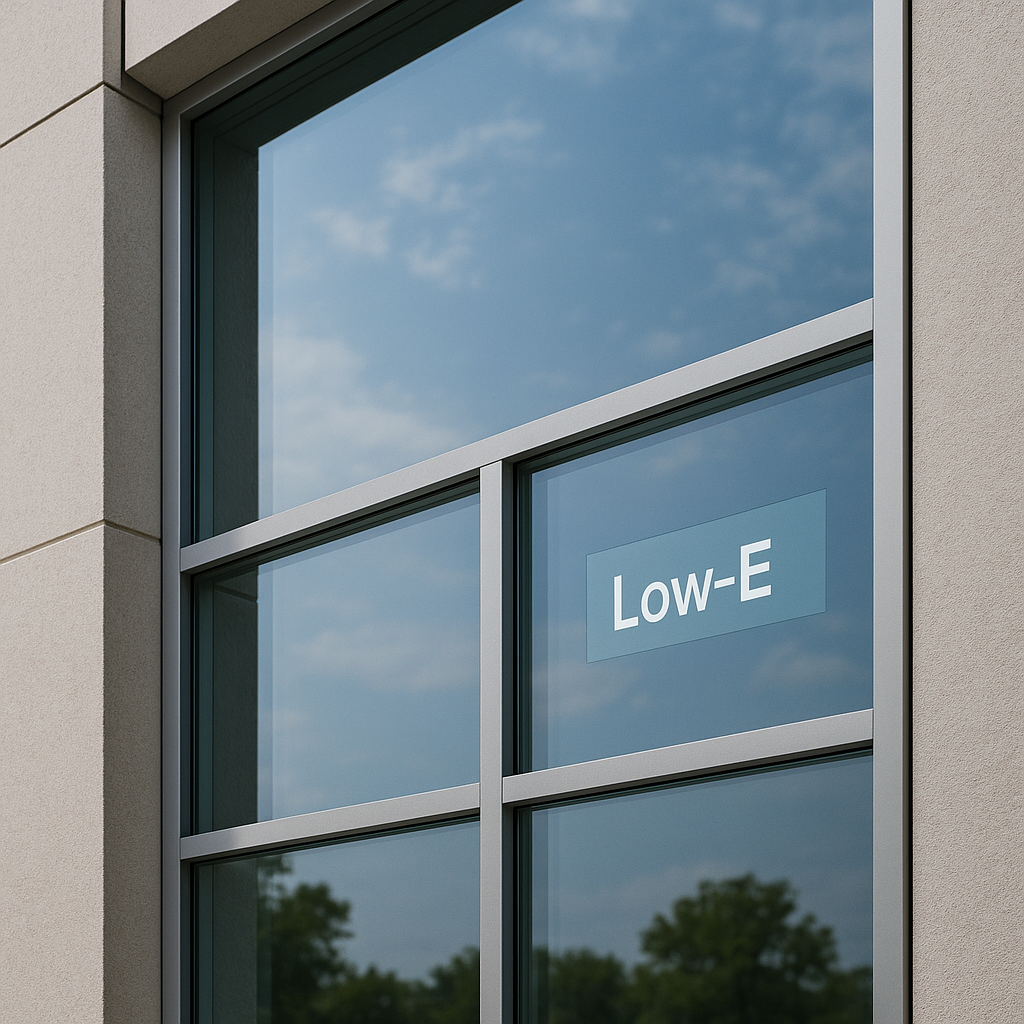
In contemporary architecture, glass facades are no longer just about looks—they’re central to how a building performs. From energy use and indoor comfort to daylight quality and urban presence, the glass you choose shapes almost every aspect of the envelope.
That’s why low e glass benefits have become such a big topic in modern facade design. Low-emissivity (Low-E) glass lets architects and developers keep the clean, transparent aesthetic they want while quietly upgrading insulation, comfort and sustainability behind the scenes.
In this article, we’ll unpack what low-E really does for facades, how it affects design decisions, and what you need to get right from specification to installation.
Understanding Low-E Glass in Facade Design
Low-E (low emissivity) glass is standard clear or tinted glass with an ultra-thin, almost invisible metallic coating. That coating:
- Reflects heat (infrared radiation) back toward its source
- Lets visible light through, so spaces still feel bright and open
- Reduces overall heat transfer through the glazing
In insulated glass units (IGUs), the coating can sit on different interior surfaces (#2, #3, sometimes #4). Its position and type define whether the facade:
- Maximizes winter heat retention
- Minimizes summer heat gain
- Or aims for a balanced year-round performance
Key facade performance metrics tied to low-E:
- U-factor – insulation value (lower = better)
- SHGC (Solar Heat Gain Coefficient) – share of solar heat entering inside
- VT (Visible Transmittance) – how much daylight gets through
- Emissivity – how strongly the surface emits or reflects radiant heat
Low-E is often confused with mirror-like glass, but they’re not the same thing. If you’re comparing options for a project, it’s worth clearly separating the two:
👉 What Distinguish Low E Glass Types From Reflective Coatings?
Core Low E Glass Benefits for Modern Facades
1. Energy Performance and Operational Carbon Reduction
One of the most important low e glass benefits is reduced energy demand:
- Lower U-factors mean less heat leaking out in winter.
- Tailored SHGC values help control how much solar heat gets inside.
For glazed facades and curtain walls, that translates into:
- Smaller heating and cooling loads
- More stable indoor temperatures near glass
- Better alignment with energy codes and green building standards
On large commercial facades, the cumulative impact can be huge—especially when paired with good frame design, shading and airtightness.
2. Comfort at the Perimeter: No More “Too Hot / Too Cold” Zones
Fully glazed corners and floor-to-ceiling glass can look stunning but feel brutal if the glass is wrong. Low-E helps facades support real comfort instead of just aesthetics:
- Warmer interior glass surfaces reduce downdrafts and “cold wall” discomfort in winter.
- Controlled solar gain cuts overheating and glare near full-height windows.
- Better surface temperatures mean occupants can sit closer to the facade without complaining.
This matters in open-plan offices, hotel rooms, residential towers and any space where you want usable perimeter zones rather than a no-go strip next to the glass.
3. UV Protection and Longer-Lasting Interiors
Another key low e glass benefit for facades is UV filtering. Low-E coatings can block a large share of harmful ultraviolet radiation, which:
- Slows fading of timber floors, carpets, fabrics and artwork
- Protects retail displays in shopfronts and malls
- Reduces long-term deterioration of interior finishes
For museums, galleries, hotels and high-end residential projects, this protection is as important as the energy side.
4. Climate-Tuned Performance for Different Building Types
Modern low-E families are highly configurable. You can specify:
- Higher SHGC, very low U-value for cold climates that benefit from passive solar gain
- Lower SHGC, low U-value for hot or cooling-dominated regions
- Balanced performance for mixed climates with pronounced seasons
That flexibility lets facade designs respond to:
- Local climate (cold, hot, humid, mixed)
- Building type (office, residential, hospitality, education, healthcare)
- Orientation (south vs east/west vs north facades)
Architects can go even deeper into this climate-driven tuning here:
👉 What Help Low E Glass Types Deliver Balance in Mixed Climates?
Aesthetic and Design Freedom With Low-E Facades
Historically, energy-efficient glass often meant dark, tinted, or obviously “technical” appearances. Modern low-E coatings have changed that.
1. Neutral Color and High Clarity
Advanced low e glass benefits include:
- Neutral, low-color coatings that preserve true interior and exterior tones
- High visible light transmission even with strong thermal performance
- Compatibility with clear, low-iron, or tinted substrates for different design intents
Architects can specify facades that:
- Look bright and transparent by day
- Avoid heavy color casts
- Maintain a clean, contemporary aesthetic
2. Controlling Reflection Without Losing Character
While some projects deliberately choose mirrored facades, many want subtler reflection:
- Low-E can provide moderate reflectance without the strong mirror effect of classic reflective glass.
- It allows facades to respond to the sky and surroundings without becoming visual barriers.
If your design is riding the line between transparent, lightly reflective, and fully mirrored, it’s worth contrasting performance and appearance in detail:
👉 What Distinguish Low E Glass Types From Reflective Coatings?
From Design to Reality: Specification and On-Site Execution
The smartest facade concept still fails if the wrong product is specified—or the right product is installed the wrong way.
1. Why Detailed Specification Matters
For architects and facade consultants, “low-E” in the spec is not enough. You need to lock down:
- Exact performance ranges (U-factor, SHGC, VT)
- Coating type (hard-coat vs soft-coat, passive vs solar control)
- Substrate (clear, low-iron, tinted)
- IGU build-up (pane thicknesses, cavities, gas fills, warm-edge spacers)
- Coating surface position in the IGU (e.g. #2 vs #3)
Those choices directly affect:
- Energy modelling results
- Daylight simulations
- Facade mock-up appearance
- Code compliance and certification
For a deeper spec-level look:
👉 Why Low E Glass Types Be Specified Carefully by Architects
2. Installation Quality: Protecting Low-E Benefits On-Site
Even the best specified facade can underperform if:
- IGUs are installed with the coated surface facing the wrong way
- Frames and gaskets don’t provide the required airtightness
- Sealants or setting blocks are incompatible with the glass edge seals
- Handling damage causes seal failure or visual defects
Getting low e glass benefits on real buildings requires:
- Trained crews who understand Low-E orientation and handling
- Proper lifting, storage, and glazing practices
- Robust QA checks (mock-ups, site inspections, sometimes thermal imaging)
For contractors and site managers, this guide is particularly relevant:
👉 What Ensures Low E Glass Types Install Correctly On-Site?
Low-E Facades, Urban Context and Landscape Design
Glass facades don’t just impact the interior; they contribute to the street and the surrounding microclimate.
Thoughtful use of low-E combined with good landscape architecture can:
- Reduce glare and excessive reflected heat onto public spaces
- Work with trees, pergolas, and planted areas to temper local temperatures
- Support outdoor comfort around café terraces, plazas, or communal podiums
- Help define the character of a streetscape by managing transparency and reflection
Coordinating glazing strategy with shading, planting, pavements, and water elements is part of a holistic environmental approach. If you’re thinking at the scale of precincts or campuses, this broader lens is useful:
👉 Define Landscape Architecture for Modern Design Work
Practical Guidelines for Using Low-E in Modern Facade Designs
To translate low e glass benefits into real project outcomes, here are some practical steps:
- Start with climate and orientation
- Map which facades will struggle with solar gain or heat loss.
- Choose SHGC and U-values to suit each orientation, not just “one glass everywhere” by default.
- Use energy and daylight modelling early
- Test different low-E options in software rather than guessing.
- Optimise for both energy performance and useful daylight.
- Define clear performance specs, not just product names
- Brands change; performance targets don’t.
- Document acceptance ranges so substitutions still meet design intent.
- Mock up full-scale facade bays
- Review color, reflection, and view quality under real sky conditions.
- Compare inside and outside perception, day and night.
- Coordinate glass choice with frame and shading systems
- Thermally broken frames, proper gaskets and external shading help maximize the gains from low-E.
- Avoid creating thermal weak points around otherwise high-performance glass.
- Plan for safety, acoustics and cleaning
- Use laminated low-E units where impact resistance or noise reduction are critical.
- Ensure facade access and maintenance plans won’t damage coatings or seals.
- Align with sustainability goals and certifications
- Confirm low-E glazing helps you meet local codes and any LEED/BREEAM/Green Star targets.
- Showcase reduced operational carbon as part of the project’s story.
Conclusion: Turning Low E Glass Benefits into Better Facades
For modern facade designs, low e glass benefits go far beyond a line item in a specification. The right low-E strategy allows you to:
- Keep bold, transparent architectural expressions
- Deliver comfortable, usable perimeter spaces
- Cut operational energy and support sustainability targets
- Protect interior finishes and extend building lifespan
- Integrate facades more thoughtfully into their urban and landscape context
When architects specify low-E carefully, facade engineers fine-tune performance, and installers execute correctly on-site, glass stops being a liability and becomes one of the building’s strongest assets.
That’s what low-E really means for modern facade design: aesthetics and performance finally pulling in the same direction.