
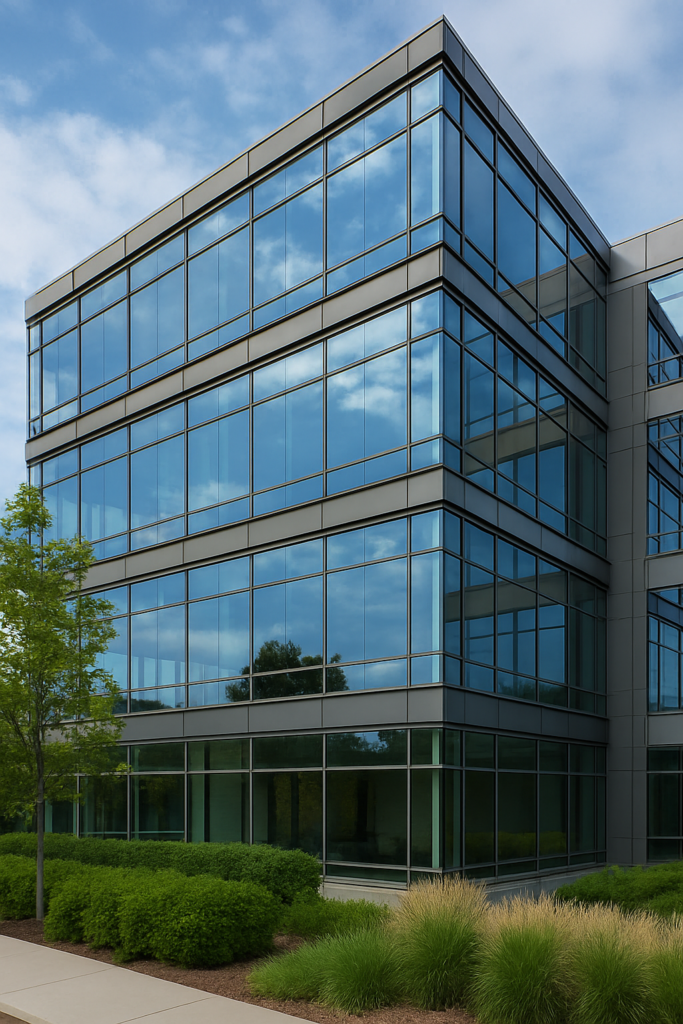
In contemporary building design, glass is no longer just a transparent infill between structural elements. It’s a performance material that shapes energy use, comfort, facade expression, and project value. Among all glazing technologies, Low-E glass has become a default option—but not all specifications deliver the same results.
To get real value, architects need to be intentional about which low e glass benefits they prioritize for each project. That means going beyond the label “Low-E” and understanding what matters most in terms of occupant comfort, energy performance, and design intent.
This guide breaks down the key Low-E advantages and ranks the ones architects should focus on first when designing homes, commercial buildings, and high-performance facades.
1. Energy Efficiency and Thermal Performance (Top Priority)
If you had to pick only one category of low e glass benefits to optimize, it would be energy performance. Low-E coatings exist primarily to control heat transfer through glazing.
Why it matters
- Glazing is typically the weakest thermal link in the envelope.
- Heating and cooling are usually the largest energy end-uses in a building.
- Codes, rating systems, and clients increasingly demand measurable energy savings.
What to prioritize in the spec
- U-factor – Lower U-values mean better insulation and reduced heat loss in winter.
- SHGC (Solar Heat Gain Coefficient) – Critical for controlling unwanted solar heat in hot and mixed climates.
- Emissivity – The lower the emissivity of the coating, the better it reflects long-wave heat back to its source.
For climate-appropriate tuning of these metrics in daylit projects, it’s worth referencing
👉 Which Low E Glass Benefits Enhance Daylight-Driven Designs.
Architectural takeaway: Start with climate and building use, then define target U-factor and SHGC ranges per facade. From there, select specific Low-E products that hit those performance bands while still supporting your daylight and aesthetic goals.
2. Indoor Comfort at the Perimeter
Buildings don’t succeed on paper—they succeed when people feel good inside them. That’s why thermal and visual comfort right next to the facade should be a close second priority.
Key comfort-related low e glass benefits
- Warmer interior glass surfaces in winter
- Reduces radiant “cold wall” effect near windows
- Cuts downdrafts and perceived drafts
- Cooler glass in summer
- Minimizes radiant heating of occupants sitting near glazing
- Allows deeper use of floor area along facades
These benefits make it possible to place desks, seating, and circulation right up against the glass line without creating “avoidance zones” where people refuse to sit.
Architectural takeaway: When reviewing performance data, don’t just look at numbers—think about seat-level experience: where furniture will go, how close occupants are to the glass, and how that experience changes seasonally.
3. Daylight With Controlled Glare
Design teams often aim for large window areas to maximize daylight and views. Without the right glazing, that can quickly translate into glare problems and blinds that stay permanently shut.
Two of the most underrated low e glass benefits are:
- High visible light transmittance (VT) for deep daylight penetration
- Managed solar gain and brightness, which reduces harsh contrast and hotspots
When tuned correctly, Low-E glass supports interiors that are bright but not blinding, so occupants can actually enjoy the windows without reaching for shades.
For a glare-focused view of this topic, see
👉 Which Low E Glass Benefits Reduce Interior Glare?.
Architectural takeaway: Specify glazing with a balanced combination of VT and SHGC. Extremely high VT paired with poor solar control can actually increase glare and thermal issues; balance is key.
4. UV Protection and Material Preservation
Natural light is essential—but its ultraviolet component quietly destroys finishes over time. Flooring, fabrics, artwork, and timber elements all fade or discolor when exposed to high UV levels.
Here, another set of low e glass benefits becomes critical:
- High UV rejection built into the coating stack
- Reduced fading of:
- Timber floors
- Upholstery and rugs
- Artwork and retail displays
This is especially important for:
- High-end residential
- Hotel and hospitality interiors
- Retail and gallery spaces
Architectural takeaway: When interiors are heavily material-driven, include UV transmittance data in your glazing comparison, not just U-factor and SHGC. It’s a quiet but powerful contributor to long-term perceived quality.
5. Aesthetic Neutrality and Minimalist Expression
For many contemporary projects, the glass isn’t just a performance surface—it’s a primary design material. Architects increasingly favor:
- Neutral color
- Low distortion
- Slim frames and minimalist detailing
Modern Low-E systems can maintain a very neutral, almost invisible appearance, avoiding the strong green or bronze tints common in older high-performance glass. This is vital when you want facades and interiors to feel clean, bright, and material-honest.
If your concept relies on quiet, neutral glazing, you’ll find more detailed discussion in
👉 Where Low E Glass Benefits Support Minimalist Window Designs.
Architectural takeaway: Request full-size mockups and review glass in real daylight, not just on a sample board, to confirm color neutrality, reflectivity, and how the facade reads from multiple angles and distances.
6. Code Compliance, Ratings, and Market Value
From an architectural practice perspective, Low-E glazing also delivers strategic benefits that make projects easier to approve and market:
- Helps meet or exceed energy codes and performance standards
- Supports green building certifications (LEED, BREEAM, national schemes)
- Strengthens a project’s sustainability narrative
- Enhances resale and leasing value, as buyers and tenants increasingly demand efficient envelopes
Because Low-E glass can be “invisible” as an upgrade, it’s often one of the most cost-effective ways to push envelope performance without major massing or system changes.
Architectural takeaway: Position Low-E glazing as a core part of the energy strategy, not a last-minute substitution. When modeled early, it can reduce the required size (and cost) of HVAC systems and help achieve performance targets more easily.
7. Climate-Specific Tuning and Flexibility
One of the strongest low e glass benefits for architects is flexibility. You’re not tied to a single performance profile:
- Hard-coat Low-E
- Durable, often better for colder climates or single glazing
- Allows more solar gain when that’s beneficial
- Soft-coat Low-E
- Higher performance in double/triple glazing
- Excellent for hot or mixed climates where solar control is critical
You can also mix specifications:
- Different coatings for north vs. west facades
- Tailored glass for skylights, curtain walls, or residential windows within one project, while maintaining a unified aesthetic.
Architectural takeaway: Think of Low-E as a family of tools, not one generic product. Use orientation, program, and climate to drive your selection—and document those decisions in the spec to avoid value-engineering that undermines the design intent.
8. Integration With Landscape and Surroundings
Finally, the way glass performs and appears is influenced by what’s outside it: paving, greenery, water, and neighboring structures. The best architectural outcomes come from coordinating Low-E glazing with landscape architecture and site design.
Well-designed outdoor environments can:
- Reduce reflected glare into glazing
- Provide natural shading and dappled light
- Create better view quality for occupants
- Improve microclimate around heavily glazed facades
For a bigger-picture look at this holistic design approach, see
👉 Define Landscape Architecture for Modern Design Work.
Architectural takeaway: Treat Low-E glass selection and landscape design as interdependent decisions, especially in highly glazed buildings or those with courtyards and terraces.
Putting It All Together: A Prioritized Checklist for Architects
When you’re next drafting a glazing schedule or ade spec, use this simple priority sequence for low e glass benefits:
- Energy performance – U-factor + SHGC tuned to climate and program.
- Occupant comfort – surface temperature, draft reduction, and radiant comfort near glass.
- Daylight & glare control – sufficient VT with controlled brightness and contrast.
- UV protection – particularly in material-rich or high-end interiors.
- Aesthetic neutrality – color, reflectance, and integration with the design language.
- Regulatory & rating support – helping the project hit energy and certification targets.
- Flexibility across orientations and uses – using different Low-E types intelligently.
- Contextual harmony – integrating glazing performance with landscape and surroundings.
By prioritizing these aspects in the right order, architects can specify glass that doesn’t just tick a “Low-E” box, but genuinely elevates the building—balancing beauty, comfort, and performance in a way that clients and occupants will feel every day.