
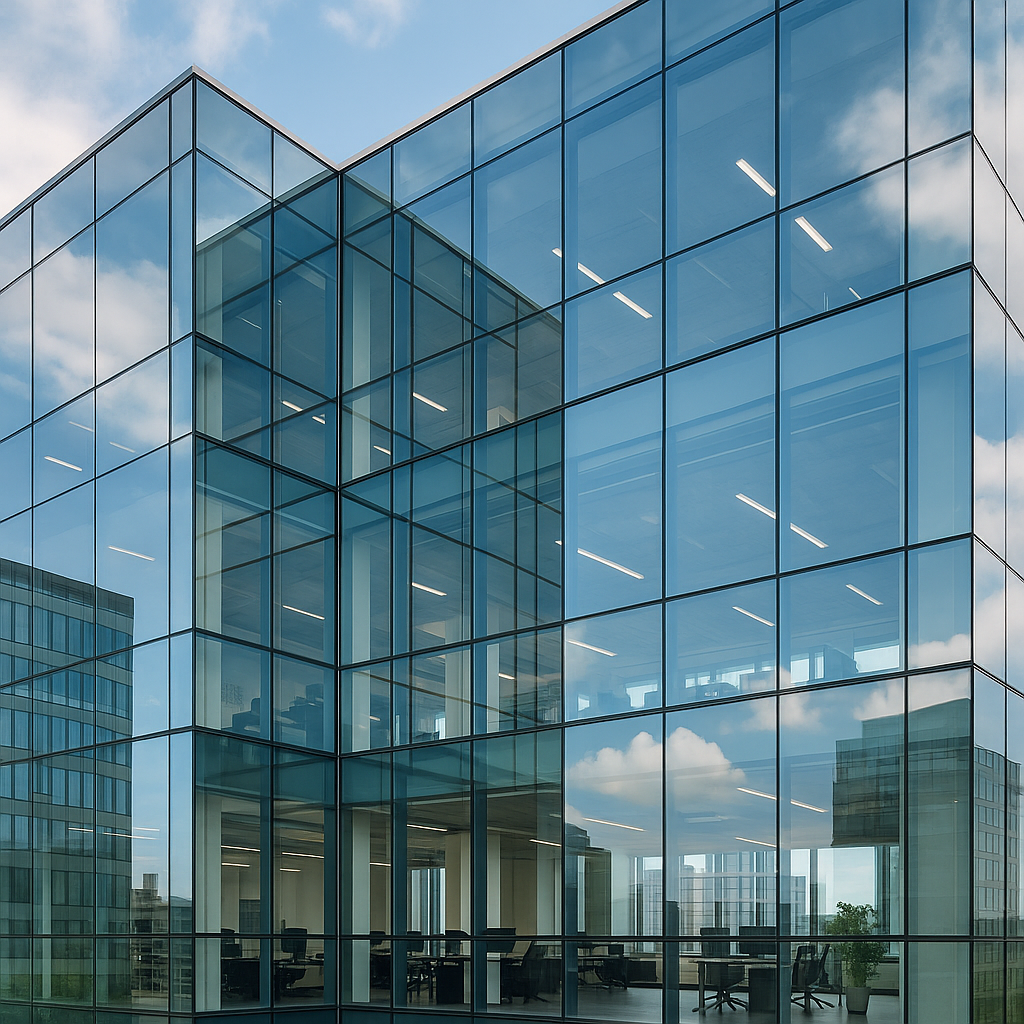
Low-E glass isn’t just a product choice anymore—it’s a design driver. As performance expectations rise and building codes tighten, low e glass benefits are now baked into the way architects shape form, facade, and even digital energy models.
Instead of asking, “Should we use Low-E?” many teams now ask, “How do Low-E properties change the way we model this building?” From massing studies to daylight simulations and lifecycle cost analyses, Low-E glazing rewrites the assumptions behind modern architectural models.
In this article, we’ll explore how low e glass benefits influence architectural thinking, and how designers can use that to their advantage.
Understanding Low E Glass Benefits in the Design Context
Low-emissivity (Low-E) glass is standard vocabulary now—but in an architectural model, it’s not the label that matters, it’s the performance data behind it.
Key low e glass benefits that directly shape models include:
- Reduced heat transfer (lower U-factor)
- Controlled solar heat gain (tuned SHGC / g-value)
- High visible light transmittance (VT) for daylight
- UV reduction to protect interiors
- Improved acoustic performance when combined with double or triple glazing
When these metrics are fed into BIM, energy modeling, and daylight tools, they affect:
- Optimal glazing ratios
- Facade orientation strategies
- HVAC sizing and zoning
- Interior layouts around the envelope
- Payback and lifecycle cost projections
If you’re designing strongly daylight-led buildings, it’s worth looking at
👉 Which Low E Glass Benefits Enhance Daylight-Driven Designs
for deeper insight into the light–energy balance.
1. Low E Glass Benefits and Early Massing / Energy Models
At the earliest stage, architects rely on conceptual energy models to test basic forms, envelope ratios, and orientation. The choice of glazing type dramatically alters those outputs.
Lower Envelope Loads, New Design Freedom
Using Low-E in the baseline model generally results in:
- Lower heating and cooling loads for the same window-to-wall ratio
- Reduced peak loads, allowing smaller HVAC plant sizing
- More design freedom to increase glazing area without breaching energy targets
This means a massing option with more glass—which might have failed under clear glass assumptions—can become viable once low e glass benefits are included correctly in the software inputs.
From “Glass Is a Liability” to “Glass Is a Tool”
Historically, energy modeling often punished heavily glazed facades. With modern Low-E options, the narrative changes:
- The facade can be both highly transparent and high-performance.
- Architects can keep slender, glass-heavy forms while still meeting codes.
- High-performing glazing becomes a lever for aesthetics, not just a concession.
As a result, Low-E isn’t an afterthought; it’s a core variable in early architectural models.
2. Daylight, Views, and the Role of Low E in Visual Comfort Models
Architectural teams now routinely run daylight simulations and annual comfort analyses. Low-E glazing characteristics directly influence:
- Spatial Daylight Autonomy (sDA)
- Annual Sunlight Exposure (ASE)
- Daylight Glare Probability (DGP)
High VT With Controlled Heat
One of the most important low e glass benefits is that many coatings allow:
- High VT – plenty of natural light penetration
- Moderate or low SHGC – reduced overheating and harsh hotspots
This allows models to achieve:
- High daylight autonomy across deeper floor plates
- Fewer hours where blinds are required
- Better visual comfort at workstations and seating areas
When glare becomes the main design risk, the choice of glazing is critical. For a glare-focused view, see
👉 Which Low E Glass Benefits Reduce Interior Glare?.
Impact on Layouts and Section
With well-tuned Low-E, architects can:
- Place desks closer to windows without discomfort
- Design shallower ceiling overhangs or lighter shading systems
- Use taller glazing to pull light deeper into the plan
These decisions all stem from how the glass behaves in daylight simulations, not just from visual preference.
3. Thermal Models and HVAC Sizing: Low E as a Systems Driver
Energy modelers often note that changing the glass spec can shift:
- Peak cooling and heating loads
- Required chiller/boiler capacity
- Distribution of loads across zones
Lower Peaks = Smaller Systems
Because Low-E glass reduces:
- Winter heat loss
- Summer heat gain
…thermal models show lower peak demand, enabling:
- Smaller chillers, boilers, or heat pumps
- Reduced duct and pipe sizes in some cases
- Lower lifecycle costs and embodied carbon for mechanical systems
From an architectural perspective, this can translate into:
- More usable roof space (smaller plant zones)
- Better integration of mechanical rooms in tight floor plates
- Improved aesthetics for exposed plant or rooftop amenities
For a strategic look at which performance aspects deserve the most attention, see
👉 What Low E Glass Benefits Should Architects Prioritize Most?.
4. Facade Expression: Neutral Performance, Clean Lines
Low-E coatings used to come with obvious color shifts and mirrored looks. Modern products offer neutral, nearly invisible coatings that still deliver high performance.
In architectural models, this impacts:
- Facade material palettes – glass can remain visually calm and neutral.
- Reflections and perceived color – easier to coordinate with stone, metal, and timber.
- Minimalist glazing concepts – thin frames and large panes without heavy tints.
This directly supports minimal, strongly glazed concepts that depend on:
- Clean sightlines
- Subtle reflection rather than signage-like mirror facades
- Visual continuity between interior and exterior
For concept models that rely on thin frames and large pane openings, Low-E helps maintain both performance and the minimal visual language.
5. Comfort, Acoustics, and Programmatic Modeling
When we think about low e glass benefits, acoustics doesn’t always come first—but in practice, many Low-E IGUs are:
- Double or triple glazed
- Paired with wider cavities or specialty laminates
This improves sound insulation, which affects how architects model:
- Program zoning (e.g., placing offices or bedrooms along exposed facades)
- Facade types for noisy vs. quiet sides of a site
- Required setbacks or buffers in traffic-heavy locations
By stacking thermal, visual, and acoustic benefits into one facade system, Low-E glazing can simplify the building model—instead of separate solutions for every problem.
6. Lifecycle Cost, ROI, and Sustainability Models
Clients increasingly expect not just beautiful buildings but financially and environmentally sound ones. Here too, low e glass benefits influence architectural models:
- Energy cost simulations show reduced operational expenses.
- Carbon models reflect the impact of lower HVAC loads.
- Payback studies often show a reasonable ROI, especially in extreme climates.
Architects can incorporate Low-E into:
- Net zero energy strategies
- LEED, BREEAM, and local green building rating models
- Long-term operational cost comparisons between design options
Because glazing is so visible, it also becomes a storytelling element in sustainability narratives: clients and users can literally see the high-performance surface at work.
7. Context and Landscape: Modeling the Whole Environment
Finally, Low-E glass doesn’t exist in isolation. Its performance and aesthetics are influenced heavily by what surrounds the building:
- Hardscape reflectance
- Vegetation and tree canopies
- Water features and light-colored walls
When architects build holistic digital models, they’re increasingly incorporating:
- Sun-path and reflection studies considering landscape materials
- Glare analysis that includes reflections off ground plane and adjacent buildings
- Microclimate modeling, where vegetation helps cool air around highly glazed facades
Working closely with landscape architects is crucial. The exterior environment can enhance or undermine low e glass benefits—especially in glazed courtyards, atria, and street-front facades.
If you’re approaching projects from a fully integrated perspective, it’s worth reading
👉 Define Landscape Architecture for Modern Design Work
to understand how site and envelope performance interlock.
Practical Tips: Feeding Low E Glass Benefits Into Your Models
To truly harness Low-E in architectural models, consider these steps:
- Get real manufacturer data
- U-factor, SHGC, VT, emissivity, and reflectance
- Use this data directly in energy and daylight tools, not generic “Low-E” presets.
- Differentiate by orientation
- Consider varying glazing specs on different facades based on sun exposure and program.
- Coordinate with MEP and facade engineers early
- Share target performance ranges and adjust glazing to reduce over-sizing of systems.
- Run iterative studies
- Test facade options with and without high-performance Low-E to quantify impact on loads, glare, and daylight.
- Mock up visually
- Review full-size glass samples in natural light to confirm aesthetics match your 3D visualizations.
Conclusion: Low E Glass as a Core Modeling Parameter
Low-E glass isn’t just a tick-box for “high-performance windows” anymore. It’s a core modeling parameter that influences:
- Massing and orientation
- Daylight, glare, and visual comfort
- Mechanical system sizing
- Facade expression and materiality
- Acoustic comfort and program layout
- Lifecycle cost and sustainability outcomes
When architects fully integrate low e glass benefits into their digital and physical models from day one, the result is more than efficient glazing—it’s a building whose form, facade, and performance are all working in sync.