
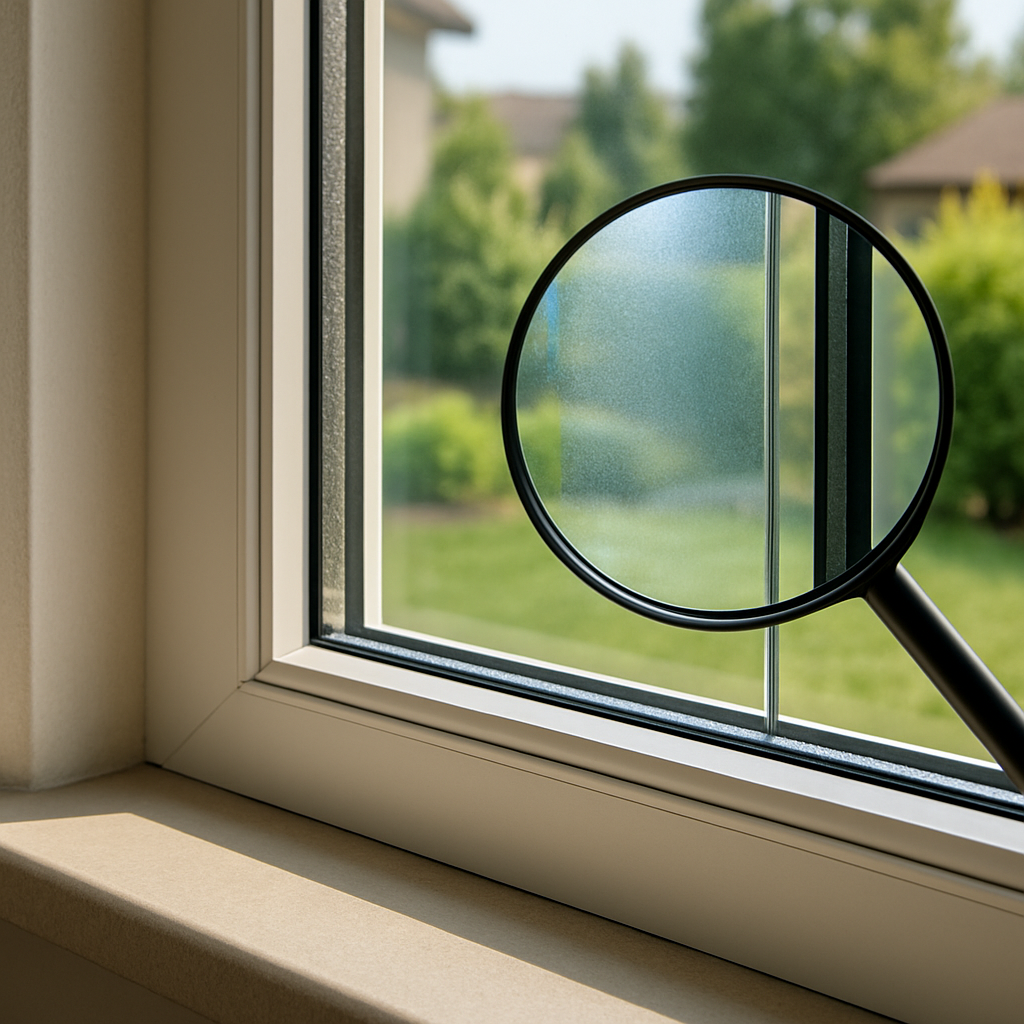
Rising energy prices, stricter building codes, and higher expectations for comfort have changed how we think about windows. Instead of being “holes in the wall,” they’re now a critical part of a home’s thermal envelope. At the centre of this shift is low emissivity glass – often shortened to low-e glass.
Low emissivity glass looks almost identical to clear glass, but it’s engineered to manage heat and light in a far more sophisticated way. By controlling how energy moves through your windows, it can dramatically cut heating and cooling demand, protect interiors, and create a more comfortable living environment.
In this guide, we’ll break down how low emissivity glass improves energy efficiency in homes, from the physics of emissivity through to real-world benefits and design considerations.
What Is Low Emissivity Glass?
A microscopic high-tech coating
Low emissivity glass is standard float glass that has been upgraded with an ultra-thin metallic coating. This coating is:
- Microscopically thin – around 500 times thinner than a human hair
- Transparent – allowing natural daylight to pass through
- Highly reflective to heat – especially long-wave infrared energy
“Emissivity” describes how efficiently a surface emits or radiates heat. A material with high emissivity absorbs and releases a lot of heat (like a dark brick wall in the sun). A low-emissivity material reflects much more heat and radiates far less.
Low emissivity glass uses this principle: the coating gives the glass a very low emissivity, so instead of acting like a warm surface that leaks heat, the window behaves like a selective mirror for thermal energy.
How Low Emissivity Glass Manages Light and Heat
To understand why this matters for energy efficiency, it helps to look at the three key parts of the solar spectrum that reach your windows.
Ultraviolet (UV) – the material “fader”
- Approximate range: 310–380 nanometres
- Invisible to the eye but highly energetic
UV light is responsible for fading:
- Timber flooring
- Fabrics, curtains and rugs
- Artwork and furniture finishes
Low emissivity glass can be engineered to block up to 99% of harmful UV, dramatically slowing fading and protecting interior finishes. This doesn’t directly change your energy bills, but it does protect long-term value inside your home.
Visible light – the daylight you want
- Range: 380–780 nanometres
- The light our eyes can see
Good window design aims to maximize useful daylight while minimizing unwanted heat and glare. Modern low-e coatings are designed to keep visible light transmission high, so rooms feel bright and open without needing constant artificial lighting.
Infrared (IR) – the heat you feel
- Starts from 780 nanometres and above
- Perceived as warmth rather than brightness
This is where energy efficiency gets interesting. Infrared energy is responsible for:
- The warmth you feel when sunlight streams through glass
- Heat escaping from your warm home on cold nights
- Hot patches near unprotected windows in summer
Low emissivity glass selectively reflects long-wave infrared heat while letting visible light through. That single ability – controlling IR while passing visible light – is why low-e technology is so powerful for thermal performance.
The Science of Emissivity and Heat Transfer
Emissivity is measured on a scale from 0 to 1:
- Standard clear glass: emissivity around 0.84–0.91 – it absorbs and re-radiates most of the thermal energy that hits it.
- Low emissivity glass: emissivity can drop to around 0.1 or even lower, meaning it reflects most radiant heat instead of absorbing it.
In practice, this has two major effects:
- In winter
- Warm indoor air and surfaces radiate heat toward the colder glass.
- Low emissivity coatings reflect much of that heat back into the room, reducing heat loss and cutting heating demand.
- In summer
- Hot outdoor conditions and sunlight radiate heat toward the window.
- The coating reflects a large portion of this heat back outside, reducing solar heat gain and easing the load on air conditioning.
The result is a window that acts as a thermal shield, slowing the flow of heat in both directions.
Types of Low Emissivity Glass Coatings
Passive low-e coatings – built for colder climates
Passive low-e coatings are designed to let in more of the sun’s natural heat while still resisting heat loss. Used in colder climates, they:
- Allow beneficial winter solar gain
- Reflect interior heat back into the room
- Reduce reliance on space heating systems
They’re often placed on interior surfaces within a double or triple-glazed unit to maximise insulation.
Solar control low-e coatings – ideal for warmer regions
Solar control low-e coatings focus on blocking unwanted solar heat:
- They limit how much infrared energy enters from outside.
- Interiors stay cooler, so air conditioners don’t have to work as hard.
- They are particularly effective on sun-exposed façades and in hot or mixed climates.
Hard coat vs soft coat manufacturing
Low emissivity glass can be produced in two main ways:
- Pyrolytic (hard coat)
- Applied at high temperature during glass production.
- Fused to the glass surface, making it tough and durable.
- Often used in simpler applications, though performance is typically lower than soft coats.
- MSVD (soft coat)
- Applied in a vacuum chamber at room temperature after the glass is made.
- Offers superior insulation and solar control, but is protected inside a sealed double or triple-glazed unit.
Modern residential high-performance windows usually rely on soft coat low emissivity glass due to its excellent balance of clarity and thermal performance.
Key Performance Metrics That Drive Energy Efficiency
When comparing window options, three metrics matter most.
U-value – how well the window insulates
The U-value measures the rate of heat transfer through the entire window assembly.
- Lower U-value = better insulation
- Low emissivity glass in double or triple glazing dramatically reduces U-values compared with clear glass, meaning less heat escapes in winter and less unwanted heat sneaks in during summer.
Visible Light Transmittance (VLT) – brightness vs efficiency
VLT is the percentage of visible light that passes through the glass.
- High-quality low-e glass combines high VLT with strong thermal control.
- You maintain bright, daylight-filled rooms instead of compensating with electric lighting.
Solar Heat Gain Coefficient (SHGC) – managing solar gain
The SHGC tells you how much of the sun’s heat passes through a window.
- Lower SHGC = less solar heat entering the home
- In hot climates or on west-facing façades, a lower SHGC from solar control low-e glass significantly reduces cooling loads.
- In cold regions, a balanced SHGC can let in useful winter sun while still improving insulation.
Together, these metrics explain how low emissivity glass transforms a window from a weak spot into a high-performance element of the building envelope.
Real Energy and Comfort Benefits in Homes
Lower heating and cooling bills
By reflecting heat in winter and blocking excess solar gain in summer, low emissivity glass:
- Reduces the amount of energy your HVAC system must supply
- Smooths out temperature swings near windows
- Can cut energy loss through glazing by up to 30–50% compared with uncoated glass, depending on configuration and climate
Over the lifetime of the windows, these savings typically outweigh the additional upfront cost of low-e glazing.
More consistent indoor comfort
Homeowners often notice comfort improvements before they see the utility bill:
- Fewer cold drafts near windows on winter evenings
- Less overheating and “hot spots” in rooms with large areas of glass
- Reduced glare, especially when low-e is combined with appropriate shading
Radiant comfort – how warm or cool surfaces around you feel – improves dramatically when low emissivity glass is used, especially in large glazed areas.
Better protection for interiors
Low emissivity glass also:
- Blocks the majority of harmful UV rays, slowing fading and degradation of furnishings
- Helps maintain the appearance and value of timber floors, fabrics, and artwork
- Supports a healthier indoor environment by limiting extreme temperature swings and glare
Practical Design Considerations for Low Emissivity Glass
Climate and orientation matter
To get maximum benefit from low emissivity glass, consider:
- Climate zone – passive low-e coatings for colder climates, solar control low-e for warmer or mixed climates.
- Orientation – stronger solar control on west and north/west façades (in many regions) where afternoon sun is intense, more balanced properties for shaded or south-facing windows.
Integrating shading and landscaping
Low-e glass works best as part of a holistic design strategy. External shading, eaves, and landscaping can complement your glazing:
- Trees, pergolas, and garden structures can shade windows seasonally.
- Thoughtful garden design adds beauty while improving thermal performance.
For inspiration on how outdoor design can support window performance and comfort, explore Designers Define Landscape Trends in Modern Gardens.
Maintenance, Durability and Long-Term Performance
Low emissivity glass is highly durable when correctly manufactured and installed, but like any high-performance element, it needs appropriate care.
Why maintenance matters
Compromised seals, trapped moisture, or physical damage can reduce the effectiveness of low-e coatings and insulated glass units. To understand common failure modes and how to avoid them, see When Does Glass Low E Fail If Not Well Maintained?.
Cleaning low-e coatings safely
The metallic layers in soft coat low emissivity glass are protected within the sealed unit, but glass still needs regular cleaning. Using harsh chemicals or abrasive tools on exposed surfaces can damage seals, edges, or adjacent components.
Guidance on best-practice cleaning is covered in Why Should Glass Low E Coatings Be Cleaned Safely? – following these recommendations helps preserve both clarity and thermal performance.
Linking performance, maintenance and choice
When planning a project or upgrade, it’s worth understanding the broader role of low-e glazing across comfort, sustainability, and resale value. For a complementary perspective on why this technology is now a must-have in modern houses, read What Makes Low Emissivity Glass Essential for Homes Today?.
Is Low Emissivity Glass Right for Your Home?
If you’re designing, renovating, or upgrading your windows, low emissivity glass should be high on your list of options. By combining:
- Lower U-values
- Optimised SHGC
- High visible light transmission
- Strong UV filtering
Low-e glazing helps your home use less energy while feeling more comfortable and looking brighter.
When paired with thoughtful orientation, shading, and good installation practices, low emissivity glass turns windows into active energy-saving components rather than sources of heat loss and gain. The result is a home that costs less to run, protects your interiors, and supports a more sustainable future – without sacrificing the natural light and views that make modern living so enjoyable.