
Introduction: Why Thermal Insulation Matters More Than Ever
As energy efficiency and sustainability become core pillars of modern construction, the role of materials in controlling thermal performance is increasingly scrutinized. One of the most effective solutions in high-performance glazing is the Insulating Glass Unit (IGU). Designed to minimize heat transfer and improve comfort, IGUs are essential components in buildings striving to reduce operational costs and carbon emissions.
This article explores how Insulating Glass Unit contribute to superior thermal insulation, their structure, benefits, and applications.
What Is an Insulating Glass Unit?
Basic Structure and Function
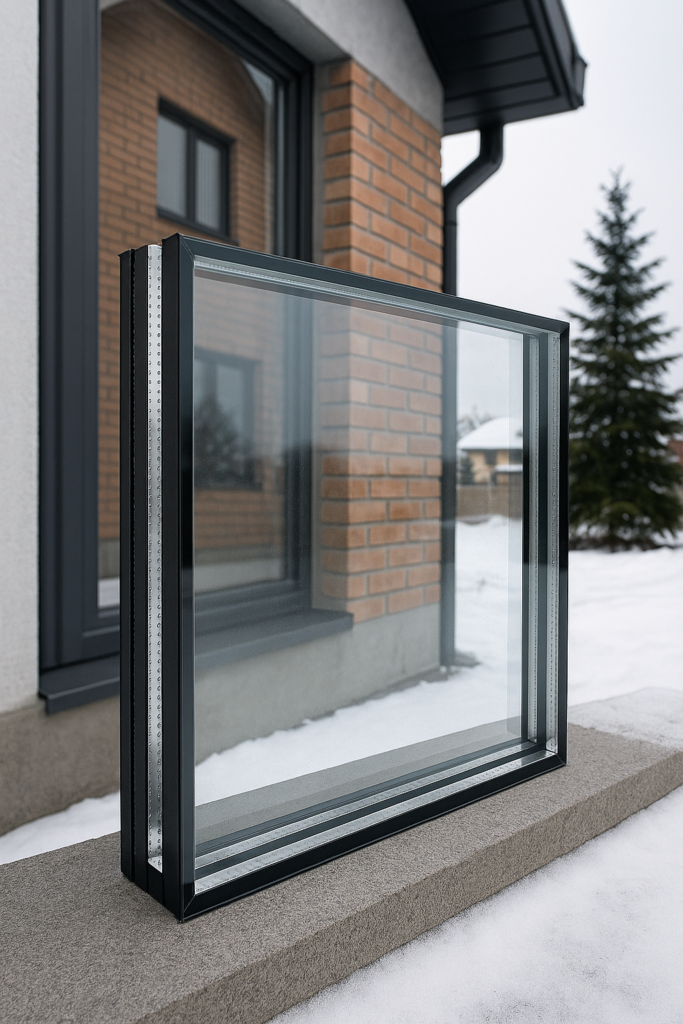
An Insulating Glass Unit is a sealed assembly of two or more glass panes separated by a spacer and hermetically sealed at the edges. The cavity between the panes is often filled with inert gases like argon or krypton to enhance thermal performance.
- Glass layers: Two or more panes
- Spacer bar: Keeps panes apart and filled with desiccants
- Sealants: Ensure airtight insulation
- Gas fills: Reduce conductive and convective heat transfer
Learn more about design variations in Insulating Glass Unit Placement in High-Rise Facades.
Superior Thermal Performance Explained
How IGUs Reduce Heat Transfer
The primary function of an IGU is to reduce thermal transmittance (U-value). Multiple panes, combined with gas fills and low-emissivity coatings, significantly reduce energy loss in both summer and winter.
- Lower heating bills in winter
- Improved cooling efficiency in summer
- Minimized condensation and draft issues
Compare advantages across applications in Insulating Glass Unit Performance in Harsh Climates.
Role of Low-E Coatings
Low-emissivity (Low-E) coatings reflect infrared heat back into the building while allowing natural light to pass through. This makes IGUs ideal for balancing insulation and daylighting needs.
IGU Applications That Maximize Thermal Value
Commercial Office Buildings
Modern commercial designs prioritize comfort and energy savings. IGUs are often used in curtain wall facades, atriums, and skylights.
Residential Homes
Homeowners benefit from IGUs in windows, patio doors, and conservatories. Explore more in Insulating Glass Unit Mounting in Residential Builds.
Precast Panel Systems
IGUs are integrated into precast wall panels for high-performance building envelopes. Read Insulating Glass Unit Use in Precast Panel Systems to explore prefab options.
Landscape Design Integration
IGUs can be incorporated into sunrooms, garden rooms, or exterior pavilions. Their thermal performance supports year-round usability.
See more inspiration in Beautiful Landscape in Green Infrastructure Projects.
Installation and Maintenance for Long-Term Efficiency
Best Practices for IGU Installation
- Ensure frame alignment and integrity
- Avoid thermal bridging with proper spacers
- Use high-quality sealants to maintain airtightness
Long-Term Maintenance Tips
- Periodic inspections for seal integrity
- Cleaning with non-abrasive, ammonia-free solutions
- Replace fogged or compromised units promptly
Sustainability and Energy Ratings
Contribution to Green Certifications
IGUs contribute to multiple LEED credits by:
- Reducing building envelope energy loss
- Supporting daylighting and indoor environmental quality
- Enhancing thermal comfort and energy efficiency
Lifecycle Sustainability
- Durability: Long service life reduces material replacement
- Recyclability: Many IGU components are recyclable
- Energy payback: Rapid ROI through lower utility costs
IGUs vs Traditional Single-Pane Windows
| Feature | Single-Pane | IGU |
|---|---|---|
| U-Value | High (poor insulation) | Low (high insulation) |
| Condensation | Frequent | Minimal |
| Comfort | Drafty | Consistent temperature |
| Energy Use | High | Low |
Future of IGUs in High-Performance Architecture
Smart Glazing Technologies
Integration with dynamic glass, photovoltaic IGUs, or thermochromic layers for enhanced control.
Adaptive Facade Systems
IGUs will play a central role in responsive facades that adapt to weather, time of day, or occupant needs.
Industry Trends
- Greater customization for project-specific climates
- Increased use of sustainable materials
- Innovations in thermal break technology
Conclusion: Choose IGUs for Lasting Thermal Performance
Insulating Glass Units are no longer a luxury—they are a necessity in thermally efficient, sustainable architecture. By offering enhanced energy savings, occupant comfort, and environmental value, IGUs outperform traditional glass solutions in every category.
For architects, contractors, and developers, choosing high-quality IGUs is an investment in long-term building performance and sustainability.
Explore how IGUs shape future designs in: