
Indoor air quality (IAQ) is a critical component of healthy living and working environments. As buildings become more airtight and energy-efficient, it’s important to ensure that the materials and technologies used also support clean, well-ventilated indoor spaces. One such component with a surprising yet significant impact on IAQ is the insulating glass unit (IGU).
Best known for improving thermal performance and reducing noise, IGUs also play a role in regulating humidity, controlling airborne pollutants, and minimizing condensation—factors that directly influence indoor air quality. In this article, we explore how IGUs affect IAQ and how you can optimize their use for healthier spaces.
What Is an Insulating Glass Unit?
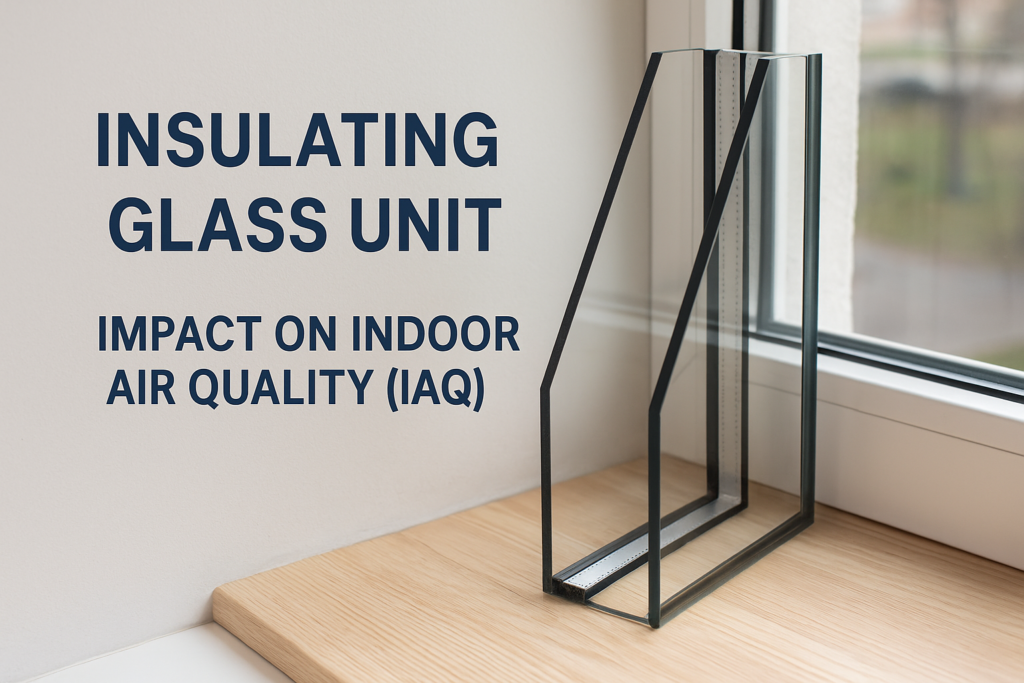
An insulating glass unit typically consists of two or more glass panes separated by a spacer and sealed around the edges. The space between panes is filled with an inert gas such as argon or krypton, which significantly reduces heat transfer and improves thermal efficiency.
Core components of an IGU:
- Glass panes (standard, laminated, or tempered)
- Spacer bar with desiccant to absorb moisture
- Inert gas fill to reduce conduction
- Primary and secondary seals for air- and moisture-tight integrity
For technical specifications and QA procedures, see Insulating Glass Unit Testing Methods for Quality Control.
How IGUs Influence Indoor Air Quality
IGUs can influence IAQ in both direct and indirect ways:
1. Moisture and Condensation Control
Condensation on windows is a common source of mold and mildew, which negatively impacts IAQ. IGUs, particularly those with warm-edge spacers and triple glazing, help prevent condensation by maintaining higher interior surface temperatures.
2. Reduction of Outdoor Pollutants
Well-sealed IGUs block airborne pollutants such as pollen, dust, vehicle emissions, and allergens from entering the building through window gaps. This is particularly beneficial in urban environments or high-traffic zones.
3. Humidity Regulation
Excessive humidity leads to poor air quality and increased microbial growth. IGUs can help regulate indoor humidity levels by providing better insulation and minimizing cold surfaces that encourage condensation.
4. Sound Insulation and Stress Reduction
Noise pollution is a hidden factor that contributes to poor IAQ through stress and sleep disruption. IGUs offer excellent acoustic insulation, enhancing both air quality and psychological well-being.
Role of IGU Materials in IAQ
High-performance IGUs use materials that are stable, non-emitting, and resistant to degradation. These include:
- Low-VOC sealants and spacers
- Non-toxic desiccants
- Inert gases that do not react with indoor air or materials
Combined, these features reduce the risk of off-gassing, one of the lesser-known causes of IAQ decline in sealed buildings.
IGUs in Smart Ventilation Systems
In smart buildings, IGUs can be paired with sensors and automation to optimize both energy efficiency and IAQ.
Smart IGUs with embedded environmental sensors can monitor:
- Indoor temperature and humidity
- VOC levels
- Window condensation levels
These systems can be integrated into HVAC and air purification controls. See Insulating Glass Unit Use in Smart Building Automation for more on automated window technologies.
IGUs in Cold Climate Air Quality Management
In cold regions, sealed windows are essential for warmth but can trap indoor pollutants. Triple-glazed IGUs are ideal for cold climates as they:
- Eliminate cold drafts
- Prevent mold-inducing condensation
- Allow for strategic ventilation through trickle vents or operable panes
To see real-world applications, visit Insulating Glass Unit Glazing Solutions for Cold Regions.
IGU Maintenance Tips for IAQ Preservation
To ensure IGUs continue to support healthy IAQ:
- Clean window surfaces regularly with non-toxic cleaners
- Inspect seals annually for wear or fogging
- Avoid window coverings that restrict airflow around IGUs
- Ensure proper installation with airtight integration into the building envelope
Larger, heavier IGUs require precise handling—especially during installation in airtight buildings. Use tools like a jib crane or ensure secure transport following How to Use Ratchet Tie Down Straps protocols.
Complementary IAQ Strategies With IGUs
IGUs work best when combined with smart architectural and landscape strategies:
- Green roofs and walls can act as natural air purifiers
- Natural cross-ventilation designs work with operable IGUs
- Outdoor trees and shrubs filter incoming air (see Bright View Landscape Key Characteristics Explained)
Conclusion: IGUs as a Holistic IAQ Tool
The insulating glass unit has proven itself as a top-tier solution for thermal and acoustic control. However, its contribution to indoor air quality makes it even more valuable in contemporary architecture.
By managing humidity, limiting condensation, blocking pollutants, and integrating with smart systems, IGUs help create healthier, more comfortable indoor environments. As homes and buildings become increasingly airtight, the role of high-performance IGUs in preserving IAQ will only grow.
When specifying windows for new builds or retrofits, consider not just U-values and aesthetics—but also how your glass choice will support breathable, clean, and healthy air indoors.