
Introduction: Essential Role of IGUs in Contemporary Architecture
In modern architecture, the effectiveness of a building envelope greatly determines energy performance, occupant comfort, and environmental sustainability. At the heart of this crucial building component is the Insulating Glass Unit (IGU). Recognized for its ability to minimize heat loss, reduce energy costs, and provide acoustic insulation, the IGU has become a staple in designing efficient, attractive, and sustainable buildings.
This article explores how insulating glass unit is used in contemporary building envelopes, detailing their numerous benefits, installation considerations, and their critical role in sustainable architecture.
Understanding Insulating Glass Units (IGUs)
An Insulating Glass Unit comprises multiple glass panes separated by spacers, sealed at the edges, and often filled with inert gas. This design significantly improves insulation compared to traditional single-pane glazing.
For deeper insights into IGU structures, visit Insulating Glass Unit Types and Their Core Components.
The Role of IGUs in Building Envelopes
Thermal Performance
IGUs substantially increase the thermal efficiency of building envelopes, reducing heat loss in winter and minimizing heat gain during summer. This performance directly correlates with lower energy bills and enhanced comfort for building occupants.
Acoustic Insulation
Noise pollution, especially in urban environments, can significantly impact occupant health and productivity. IGUs help mitigate external noise, creating quieter and more comfortable indoor spaces.
Condensation Control
Properly sealed IGUs prevent moisture accumulation between panes, enhancing visibility and reducing mold and mildew risks, thereby supporting a healthier indoor environment.
Common Applications of Insulating Glass Units
Commercial Buildings
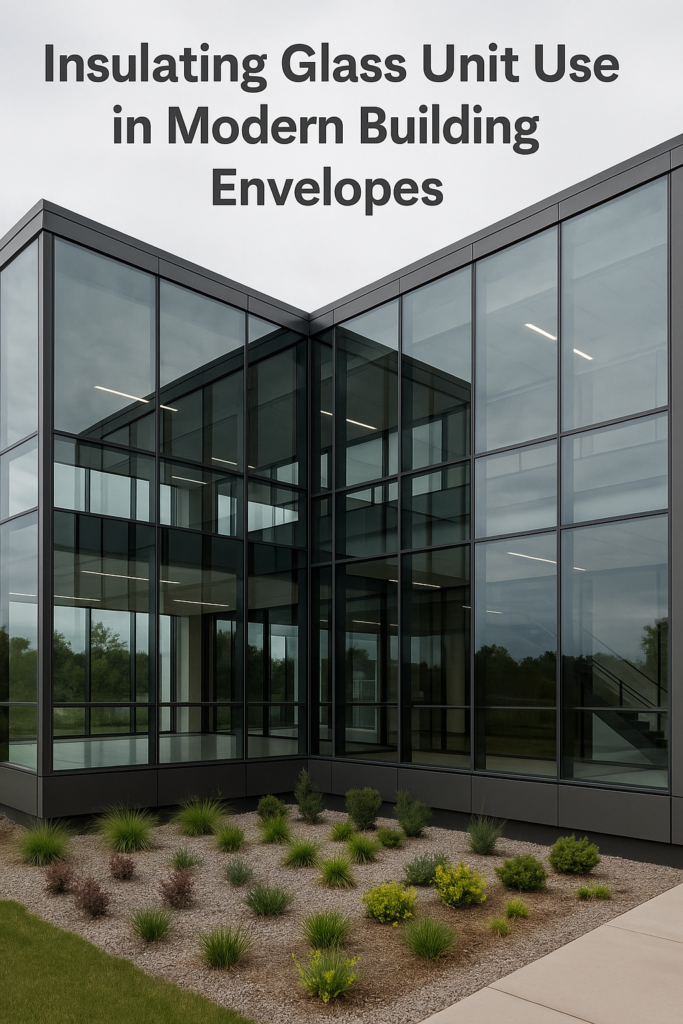
In commercial settings, IGUs are used extensively in curtain walls and facades. They provide energy efficiency, reduce operational costs, and support aesthetic and functional design goals.
Residential Buildings
Homes increasingly feature IGUs in windows, patio doors, and sunrooms to improve indoor comfort, energy efficiency, and overall property value.
Institutional Facilities
Schools, hospitals, and governmental buildings utilize IGUs to maintain internal climate control and provide acoustic insulation crucial for optimal functioning and occupant satisfaction.
Landscape and Exterior Designs
IGUs are also employed in outdoor designs, such as glass enclosures for gardens and terraces, enhancing outdoor-indoor integration. Explore innovative design ideas at Beautiful Landscape Plans for Eco-Friendly Office Spaces.
Advantages of Using IGUs in Modern Construction
Energy Efficiency
The primary benefit of IGUs is their capacity to significantly reduce energy usage. By minimizing thermal bridging, IGUs help buildings meet stringent energy efficiency standards.
Enhanced Sustainability
IGUs contribute to sustainability objectives by reducing carbon footprints and energy consumption. This aligns with LEED and other eco-certifications for green building standards.
Improved Occupant Comfort
Better thermal control, reduced noise, and ample natural lighting enhance occupant comfort and productivity, proving IGUs to be an invaluable addition to modern architectural designs.
For an in-depth understanding, see Insulating Glass Unit Basics: How It Improves Efficiency.
Key Installation Practices for Insulating Glass Units
Proper Framing and Sealing
IGUs should be installed using appropriate framing materials and techniques to ensure airtight seals and prevent moisture intrusion. Warm-edge spacers are highly recommended to reduce heat transfer.
Quality Sealants
High-quality sealants must be employed to maintain IGU integrity, especially in harsh climates or high-rise structures.
Careful Handling
Proper handling and storage of IGUs during installation are essential to prevent damage, such as scratches or seal breaches, that could compromise long-term performance.
Maintenance and Lifespan of Insulating Glass Units
Regular maintenance ensures the longevity and effectiveness of IGUs:
- Regular inspections for seal integrity and condensation
- Routine cleaning with non-abrasive, non-ammonia-based solutions
- Immediate repair or replacement if fogging or condensation appears
Proper maintenance can extend IGU lifespan to 30 years or more, enhancing their cost-effectiveness and sustainability.
Insulating Glass Units and Sustainability
Environmental Impact
IGUs contribute significantly to environmental sustainability by reducing the energy demands of buildings, lowering carbon emissions, and minimizing the need for HVAC system usage.
Compatibility with Green Building Standards
Using IGUs supports meeting criteria for energy-efficient certifications like LEED and Passive House standards, essential for modern sustainable development.
Learn more about structural and functional aspects in Insulating Glass Unit Explained: Key Functions & Structure.
Innovations Enhancing IGU Performance
Modern IGUs increasingly incorporate innovations like smart glazing technologies, dynamic tinting, and integrated photovoltaic (PV) systems, significantly enhancing their performance in sustainable architecture.
Conclusion: IGUs as an Indispensable Element in Modern Building Envelopes
The use of Insulating Glass Units in modern building envelopes represents a pivotal advancement in architectural technology. Offering superior thermal insulation, energy efficiency, acoustic performance, and sustainability, IGUs are a fundamental element for contemporary building design.
Architects, contractors, and building owners aiming for high-performance structures with minimal environmental impact will continue to rely on insulating glass units, leveraging their numerous benefits for sustainable and comfortable living and working spaces.