
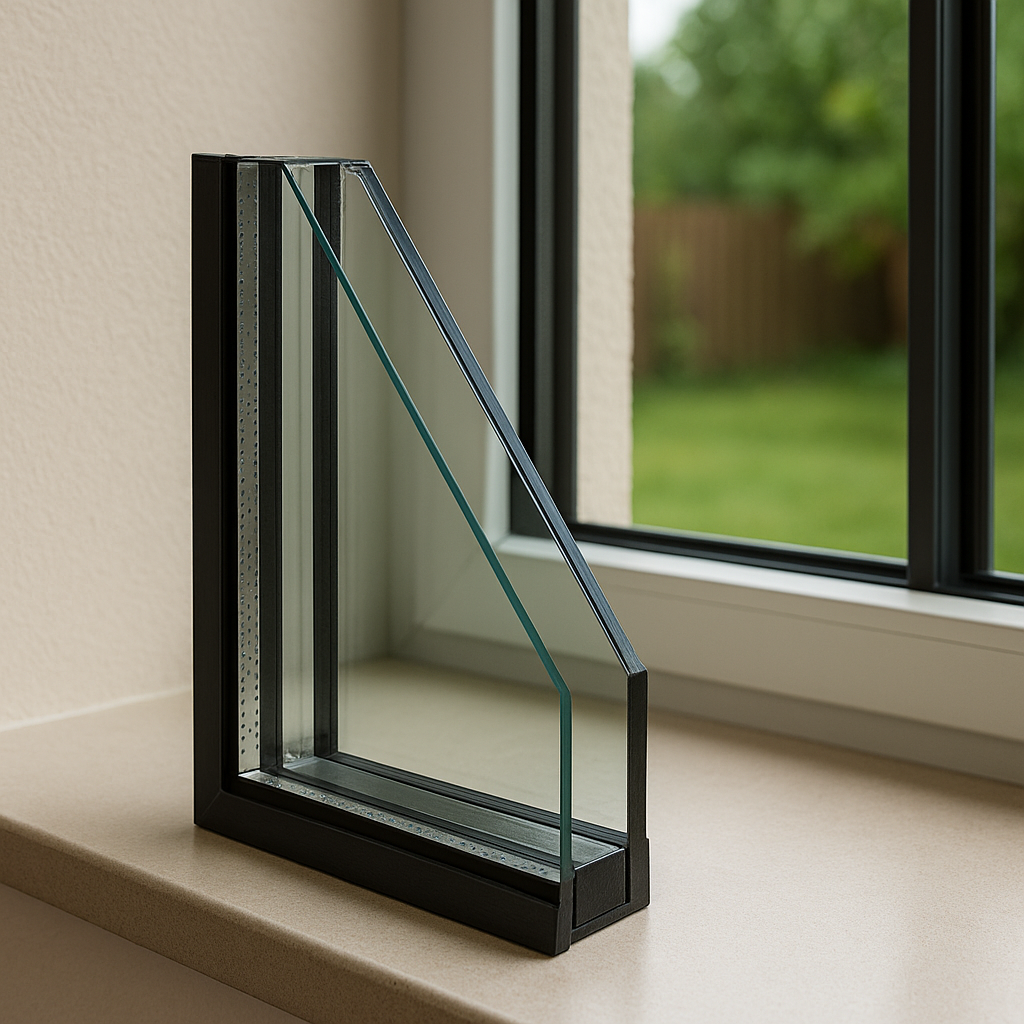
In today’s world of rising energy costs and growing environmental concerns, building materials that improve energy efficiency have become increasingly important. One such innovation is the insulating glazing unit (IGU) – a modern glazing technology that provides superior thermal insulation, noise reduction, and sustainability for residential and commercial buildings alike.
This article explores what insulating glazing units are, how they work, their evolution, key components, and how they contribute to energy savings.
What is an Insulating Glazing Unit?
An insulating glazing unit, often referred to as IGU, is a multi-pane window system that consists of two or more panes of glass separated by a spacer and sealed to create an air or gas-filled cavity. The main purpose of this cavity is to reduce heat transfer between the interior and exterior environments.
Advanced IGUs may include:
- Low-E (low-emissivity) coatings
- Gas fillings (argon, krypton, xenon)
- Vacuum-sealed cavities
Together, these components enhance energy efficiency, reduce utility bills, and improve indoor comfort.
For a deeper understanding, visit How Does Insulating Glazing Units Work?
Historical Overview
Insulated glazing originated in the United States during the 1930s, with the Thermopane trademark marking the first widespread application. In the UK, IGUs gained popularity during the 1970s following the oil crisis, which fueled the need for better energy conservation.
Since then, building regulations have increasingly mandated minimum energy performance standards, making IGUs a key part of energy-efficient architecture.
Evolution of the Insulating Glazing Unit
Over the decades, IGUs have evolved significantly:
- 1930s: Air-filled double glazing developed to reduce heat loss
- 1970s: Argon gas introduced for better insulation
- 1980s-1990s: Varying glass thickness for soundproofing
- 1990s: Introduction of Low-E coatings
- 2000s: Rise of triple glazing and the advent of vacuum insulated glazing (VIG)
Today, VIG offers some of the best thermal performance in the glazing industry, ideal for both modern and heritage applications.
To learn more, explore Insulating Glazing Unit | Types of Insulating Glazing Units
How Thermal Efficiency is Measured
Two main metrics are used to evaluate the thermal performance of IGUs:
U-value
The U-value measures the rate of heat transfer. Lower U-values indicate better insulation. It is the primary metric used in the UK.
R-value
The R-value measures resistance to heat flow. Higher R-values indicate better insulation. It is more common in the US and for walls, floors, and roofs.
| Glazing Type | U-Value (W/m²K) | R-Value (m²K/W) |
|---|---|---|
| Single Glazing | 4.5 – 5.8 | 0.17 – 0.22 |
| Double Glazing | 1.2 – 3.0 | 0.33 – 0.83 |
| Triple Glazing | 0.6 – 1.0 | 1.0 – 1.67 |
| Vacuum Insulated Glazing | 0.4 – 0.7 | 1.43 – 2.5 |
For more on thermal efficiency, visit Insulating Glazing Unit | Thermal Insulation Benefits
Components of an Insulating Glazing Unit
Glass Types
- Low-E Glass: Reflects heat back into the room while letting light through
- Toughened Glass: Heat-treated for safety and strength
- Laminated Glass: Enhanced security and soundproofing
- Float Glass: Smooth and optically clear
- Annealed Glass: Regular, non-tempered glass
Spacers
Spacers maintain the gap between panes:
- Aluminium: Strong but highly conductive
- Warm Edge Spacers: Made from foam, polymer, or stainless steel to reduce thermal bridging
Sealants
- Primary (Butyl): Prevents gas leakage
- Secondary (Silicone, Polyurethane, Polysulphide): Provides structure and moisture protection
Cavity Fillings
- Air: Basic insulation
- Argon: Affordable and more efficient
- Krypton: Denser and better insulating
- Xenon: Best insulator, used in premium applications
- Vacuum: Eliminates conduction and convection completely
Energy Efficiency and Cost Savings
Switching from single to double glazing can reduce heat loss by up to 50%. Homeowners typically see energy bill reductions of £100 to £150 annually.
Triple and vacuum insulated glazing can offer even greater savings, particularly in colder regions or energy-conscious homes. Moreover, IGUs can help:
- Improve indoor thermal comfort
- Reduce reliance on heating and cooling
- Lower carbon footprint
IGUs in Heritage and Traditional Homes
One of the major advancements in glazing is the ability to use slim-profile IGUs or VIG in heritage properties like sash windows, without altering the external aesthetics. This makes them a great solution for retrofitting energy-efficient windows in conservation areas.
Durability and Maintenance
The typical lifespan of an IGU is 15 to 25 years. Factors affecting longevity include:
- Quality of sealants and spacers
- Type of gas or vacuum fill
- Environmental conditions
Routine checks for fogging or condensation between panes can help spot seal failures early and maintain optimal performance.
Installation and Handling Tools
Handling IGUs requires specialized tools to ensure safety and efficiency. Two essential tools include:
- Lifting clamps: Designed for secure lifting and positioning of glass panels.
- Suction cup: Ensures safe glass handling during installation.
These tools reduce breakage risks and help maintain the integrity of the glass during installation.
Environmental Impact and Sustainability
IGUs play a key role in sustainable building design by:
- Lowering energy demand
- Reducing greenhouse gas emissions
- Enhancing occupant comfort
Pairing IGUs with sustainable landscaping strategies, like those in Bright View Landscape with Green Waste Reduction Tips, further boosts environmental performance.
Conclusion
The insulating glazing unit is a cornerstone of modern energy-efficient architecture. Whether for new constructions or retrofits, IGUs deliver substantial benefits in energy savings, comfort, and sustainability.
With evolving technologies like Low-E coatings, gas-filled cavities, and vacuum insulation, choosing the right IGU can significantly enhance your property’s performance and value.
Invest in quality IGUs and support your energy-efficiency goals while enjoying a quieter, more comfortable, and eco-friendly living environment.