
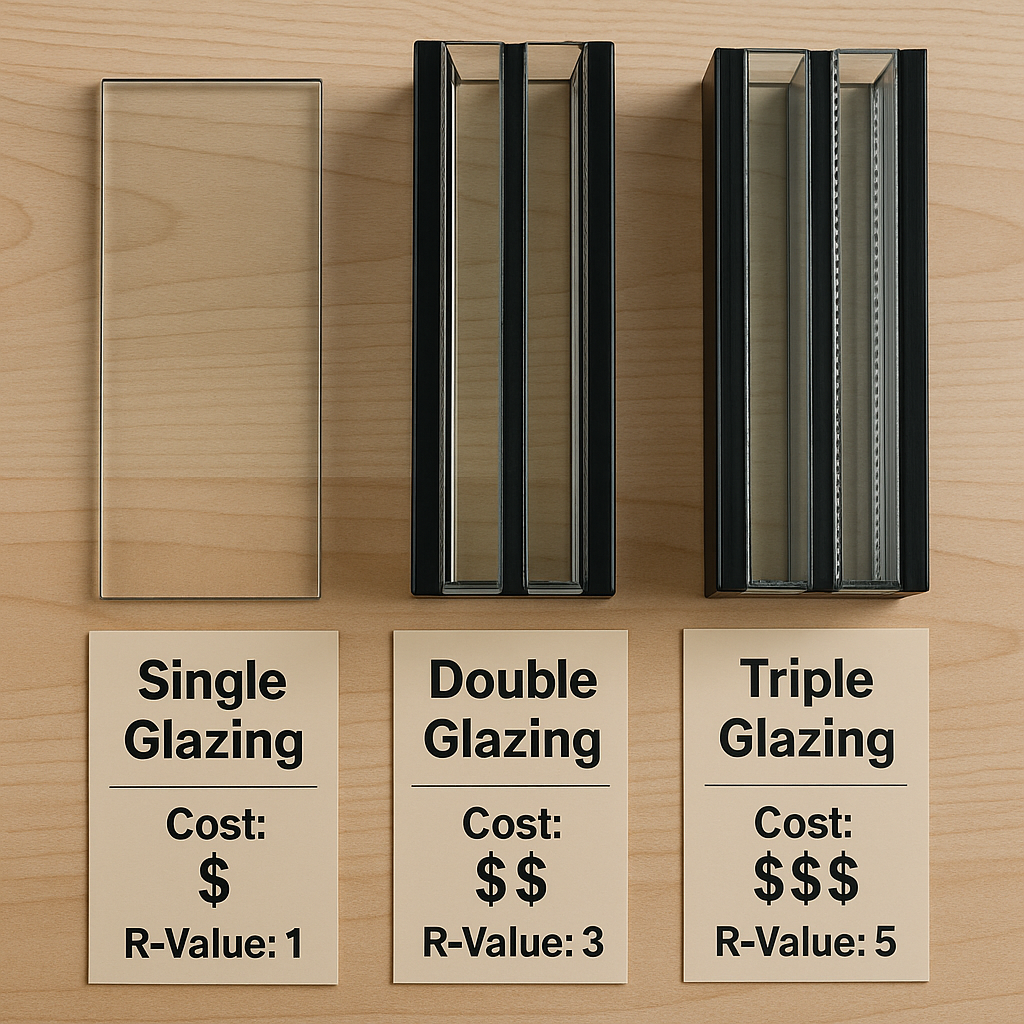
When it comes to upgrading your property with insulating glazing units (IGUs), one of the most common questions homeowners and builders ask is: How much will it cost? Prices for IGUs can vary widely, depending on factors such as glass type, spacer materials, coatings, and custom design requirements. This article explores the key factors affecting the cost of an insulating glazing unit, why those costs vary, and how you can maximize value for your investment.
By the end, you’ll have a complete understanding of how to budget for IGUs in your next project and make smarter choices for long-term savings.
What Is an Insulating Glazing Unit?
An insulating glazing unit (IGU) is a window system consisting of two or more panes of glass separated by a spacer and sealed to create an insulating airspace. This cavity is often filled with gas, such as argon or krypton, to improve thermal resistance.
IGUs are designed to enhance energy efficiency, reduce noise pollution, improve comfort, and minimize condensation. They are now standard in modern buildings across residential and commercial markets, often replacing outdated single-pane glass.
To learn more about the benefits of IGUs, explore this guide: Insulating Glazing Unit | The Complete Guide to Energy-Efficient Windows.
Key Factors Affecting Insulating Glazing Unit Prices
Several factors determine the cost of an insulating glazing unit. Understanding these will help you choose the right balance between upfront investment and long-term returns.
1. Glass Type and Quality
- Standard clear glass is the most affordable option.
- Tempered or laminated glass increases safety and durability but comes at a higher price point.
- Low-emissivity (Low-E) glass reflects infrared heat, significantly improving efficiency while adding cost.
Impact on cost: Upgrading to laminated or Low-E glass can increase IGU prices by 20–50%, but the energy savings often offset the initial expense.
2. Spacer Materials
The spacer separates the panes of glass and prevents moisture infiltration. Choices include:
- Aluminum spacers: Traditional and durable but less efficient due to high conductivity.
- Foam spacers: Excellent thermal performance and condensation resistance.
- Stainless steel spacers: A balance of durability and efficiency.
Impact on cost: Warm-edge foam spacers may raise initial costs but reduce heat loss and improve ROI.
3. Gas Fills
The insulating gap in IGUs can be filled with:
- Air: Cheapest option but least efficient.
- Argon gas: Widely used, affordable, and significantly improves insulation.
- Krypton gas: Superior insulation but comes at a premium price, ideal for triple-pane units.
Impact on cost: Switching from air to argon adds minimal cost, while krypton can double the price per square foot.
4. Pane Configuration
- Double-pane IGUs: The industry standard, offering efficiency at moderate cost.
- Triple-pane IGUs: Provide enhanced performance in extreme climates but are heavier and more expensive.
- Custom multi-pane or decorative designs: Add complexity and price.
Learn more about configurations here: Insulating Glazing Unit | Choosing the Right IGU Explained.
5. Energy Efficiency Enhancements
Features such as Low-E coatings, thermal breaks, and tinted glass increase both performance and price. While Low-E can double glass costs, it also significantly reduces utility bills.
6. Design and Customization
Custom shapes, larger window sizes, or decorative glazing increase manufacturing complexity. Expect to pay more for unique window dimensions, especially when ordering in small batches.
7. Supplier and Manufacturing Differences
Pricing models differ across suppliers. Local manufacturers may provide competitive pricing with better after-sales service, while large-scale suppliers may offer discounts on bulk orders.
Comparing multiple quotes is always recommended before making a decision.
Balancing Cost and ROI of Insulating Glazing Units
The upfront price of IGUs might seem steep, but their long-term return on investment (ROI) is where they shine.
Benefits that justify the cost:
- Lower energy bills: High R-values mean less heat loss and reduced heating/cooling costs.
- Improved comfort: Reduced drafts and cold spots.
- Noise reduction: Multiple panes with gas fills act as a sound barrier.
- Increased property value: Energy-efficient homes are more attractive to buyers.
- Sustainability: Reduced energy use contributes to a lower carbon footprint.
For detailed cost vs. benefit analysis, read: Insulating Glazing Unit | Buying Factors for New Projects.
Practical Buying Tips
If you’re considering IGUs for a new project, here’s how to manage costs effectively:
- Match configuration to climate needs:
- Double-pane for moderate climates.
- Triple-pane with krypton for extreme weather zones.
- Consider total lifecycle costs, not just upfront price:
Energy savings often outweigh the initial premium for Low-E coatings or advanced gas fills. - Explore local vs. online suppliers:
Local suppliers may offer personalized support, while online retailers provide variety and competitive prices. - Factor in handling and installation:
Heavy glass requires safe handling tools like a Vacuum lifter or a forklift boom, which can reduce installation risks and costs. - Check certifications:
Look for Energy Star or other energy performance ratings to ensure compliance with building codes.
Is an Insulating Glazing Unit Worth the Investment?
The short answer is yes. While IGUs require a higher initial investment, the energy savings, comfort improvements, property value increase, and environmental benefits make them a smart long-term choice.
For a deeper dive into performance features and installation methods, check out:
- Insulating Glazing Unit | Manufacturing Process
- Insulating Glazing Unit | Installation Process Best Practices
Conclusion
The cost of an insulating glazing unit is shaped by materials, design, efficiency upgrades, and supplier differences. While options like triple glazing, krypton gas, or Low-E coatings may increase the upfront price, they provide significant long-term savings and value.
When planning your next project, think of IGUs as an investment rather than an expense. With proper material choices and competitive sourcing, you can achieve the perfect balance of cost-efficiency, comfort, and sustainability.
For inspiration beyond glazing, explore sustainability in other sectors: Bright View Landscape | Sustainable Landscaping for a Greener Future.