
The insulating glazing unit (IGU), commonly referred to as double or triple glazing, has become the standard in modern construction for improving thermal efficiency, noise reduction, and comfort in residential and commercial spaces. While IGUs provide significant long-term benefits, their lifespan and performance depend on correct installation, quality materials, and consistent maintenance. This guide covers how long insulating glazing units typically last, the common issues that affect them, and how routine care can extend their useful life.
What is an Insulating Glazing Unit?
An insulating glazing unit is made up of two or more glass panes separated by a spacer, sealed at the edges, and often filled with air or inert gases such as argon or krypton. This design minimizes heat transfer, reduces condensation, and provides excellent energy efficiency.
IGUs are available in double glazing, triple glazing, and even vacuum-insulated formats. Depending on the type, they can significantly lower heating and cooling costs, block outdoor noise, and provide year-round comfort.
For applications in professional settings, see Insulating Glazing Unit | For Office and Commercial Buildings.
Typical Lifespan of an Insulating Glazing Unit
The average lifespan of an insulating glazing unit ranges between 15 and 35 years, depending on materials, climate conditions, and maintenance practices.
- Standard double glazing: Typically lasts 15–20 years.
- High-quality IGUs with warm edge spacers and argon fills: Can last 25–30 years.
- Vacuum-insulated glazing: Expected service life of 25–35 years due to advanced sealing technology.
The most common reason for IGU failure is the breakdown of edge seals, which allows moisture and air to infiltrate the cavity. This results in condensation or fogging between panes.
Factors That Affect IGU Longevity
- Quality of Materials
High-grade spacers, sealants, and Low-E coated glass extend the lifespan of IGUs. Choosing units made with precision by experienced manufacturers ensures reliability. - Climate and Exposure
Harsh weather conditions, high UV exposure, and fluctuating temperatures can stress seals and shorten service life. - Installation Quality
Poor installation can compromise the unit from day one. Professional installers ensure that seals remain intact and the unit performs at peak efficiency. - Building Design
Well-ventilated areas with reduced condensation risk can help IGUs last longer, especially in high-humidity climates.
Routine Maintenance Tips
1. Regular Inspections
Check your IGUs periodically for signs of condensation between panes, chips, cracks, or warping of frames. Early detection can prevent more significant problems.
2. Cleaning Practices
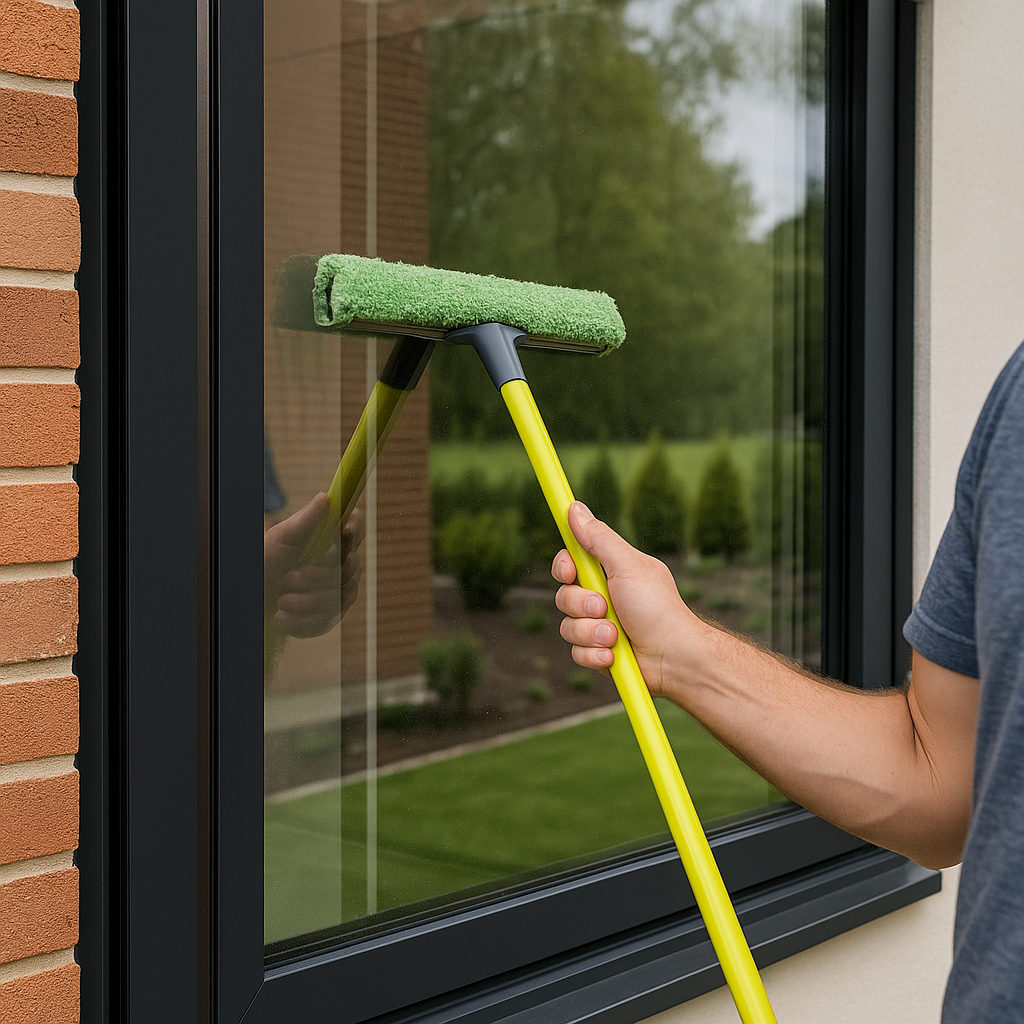
Use non-abrasive cleaning liquids and soft cloths to clean glass surfaces. Avoid harsh chemicals or abrasive sponges that could damage Low-E coatings or seals.
3. Seal Care
Inspect seals and frames for wear. If seals are failing, prompt repair or replacement can save the IGU and avoid total failure.
4. Proper Ventilation
Good airflow near windows reduces condensation buildup. Mechanical ventilation or dehumidifiers may be necessary in humid climates.
5. Professional Maintenance
Schedule periodic maintenance checks with glazing specialists. Professional servicing can detect issues early and extend lifespan.
Improving Performance Over Time
If your IGUs are approaching the end of their lifespan, consider upgrading to advanced glazing solutions:
- Triple glazing for colder climates.
- Low-E coatings to reduce UV and infrared radiation.
- Gas-filled units (argon/krypton) for superior thermal performance.
- Thermally broken frames to reduce heat transfer at window edges.
For insight into performance measurement, see Insulating Glazing Unit | U-Value and R-Value Explained.
Common Problems and Their Solutions
- Condensation or Fogging Between Panes: Indicates seal failure. Replacement of the IGU may be necessary.
- Water Leaks Around Frames: Often due to poor installation or deteriorating seals; can usually be repaired.
- Glass Breakage: Laminated or tempered IGUs offer improved resistance to impact and can be replaced pane by pane.
IGUs in Smart and Sustainable Buildings
Modern buildings are increasingly integrating IGUs into smart automation systems, allowing for real-time performance monitoring and adaptive shading. Learn more at Insulating Glazing Unit | Smart Building Automation Systems.
Incorporating IGUs into sustainable designs also complements eco-friendly initiatives such as Bright View Landscape with Green Waste Reduction Tips.
IGUs and Professional Craftsmanship
The long-term reliability of IGUs is closely tied to precision in both manufacturing and installation. Just as the skill of a stone fabricator ensures durable and aesthetic stonework, the expertise of glazing professionals guarantees that IGUs deliver maximum performance. Similarly, efficient handling during installation, often aided by equipment like a material handling trolley, ensures safety and quality results.
Conclusion
The insulating glazing unit is a vital component of energy-efficient construction, offering decades of benefits when installed and maintained properly. With a typical lifespan of 15–35 years, IGUs require only basic inspections, cleaning, and occasional servicing to perform reliably.
By choosing high-quality materials, ensuring professional installation, and following routine maintenance practices, homeowners and building managers can maximize the value of their investment while contributing to sustainability and comfort.
Whether for homes or offices, IGUs remain an indispensable solution for modern buildings that demand both efficiency and longevity.