
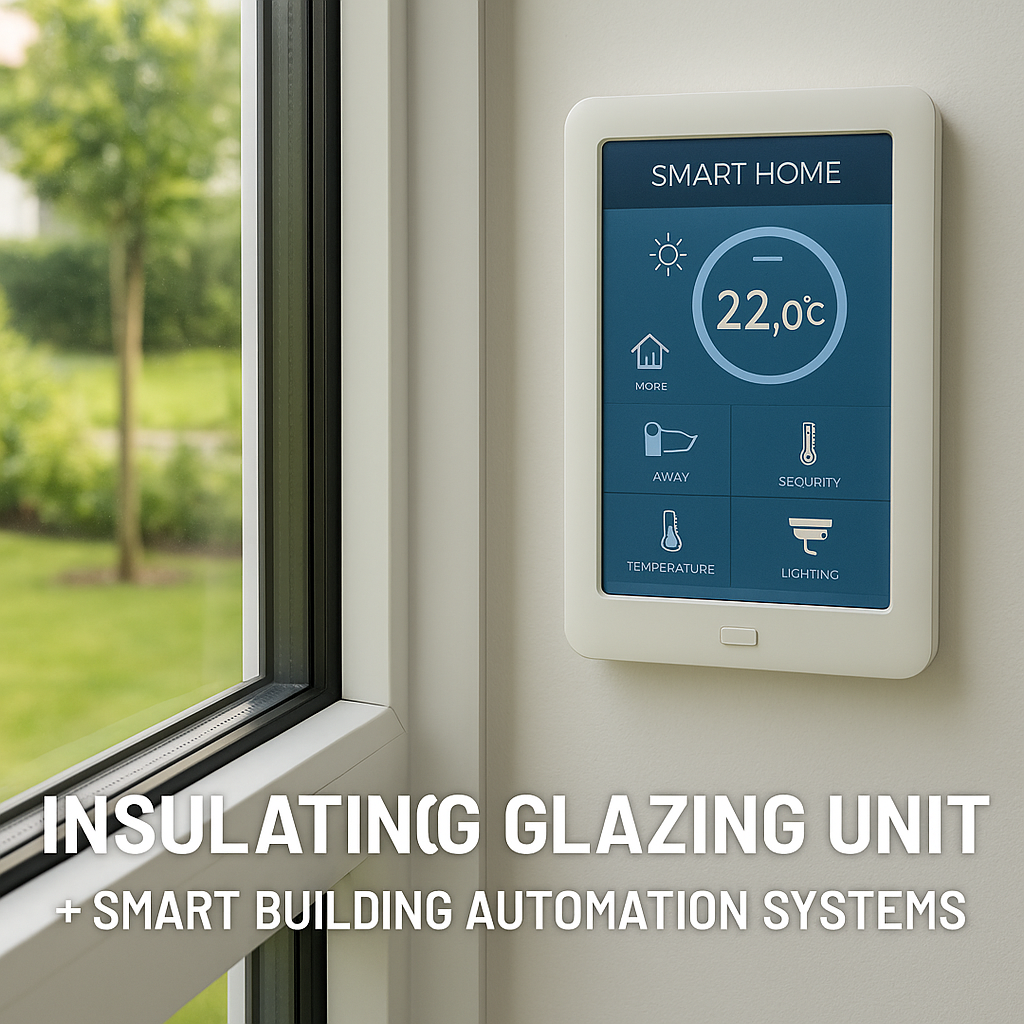
The insulating glazing unit (IGU) has long been recognized as a critical component in improving the energy efficiency, comfort, and performance of buildings. Today, as smart building automation systems become more prevalent in both commercial and residential developments, IGUs are playing an even greater role by integrating with digital technologies for optimized thermal performance, sustainability, and occupant comfort.
This article explores how IGUs fit into the era of smart buildings, their benefits when paired with automation systems, and their long-term value in creating sustainable and intelligent environments.
What Is an Insulating Glazing Unit?
An insulating glazing unit is composed of two or more panes of glass separated by spacers and sealed to enclose air, inert gas (argon, krypton), or a vacuum. This structure reduces heat transfer, minimizes condensation, and enhances soundproofing compared to single-pane glass.
IGUs are already standard in modern construction, but their integration with smart sensors, HVAC controls, and automated shading systems takes efficiency and functionality to a new level.
For foundational knowledge on applications, see Insulating Glazing Unit | For Office and Commercial Buildings.
How IGUs Enhance Smart Building Automation
1. Dynamic Climate Control
Smart sensors embedded within IGU systems can track interior and exterior temperatures. These sensors integrate with HVAC systems to balance heating and cooling demands, reducing energy waste.
2. Integration with Automated Shading and Lighting
When combined with automated blinds or electrochromic coatings, IGUs can adjust light transmission to optimize daylight use, lower glare, and reduce cooling loads. This functionality contributes to occupant comfort and productivity in office environments.
3. Energy Consumption Monitoring
By connecting IGUs with smart meters, building managers can track U-values in real time, identifying areas where performance drops due to seal failures or gas leakage. This predictive maintenance approach avoids costly repairs.
4. Sustainability and Green Certification
Using IGUs in smart building automation contributes to green building certifications such as LEED and BREEAM by reducing overall carbon footprints. Combined with practices like Bright View Landscape with Green Waste Reduction Tips, IGUs form part of a holistic approach to sustainability.
Gas Fills and Smart Integration
The type of cavity insulation plays a major role in performance. Gas fills such as argon, krypton, and xenon significantly reduce heat transfer, making IGUs ideal for automated climate control systems.
Learn more about these gas fills at Insulating Glazing Unit | Gas Filling (Argon, Krypton, Air).
IGUs in Smart Residential Buildings
In homes, IGUs integrate with systems like smart thermostats, lighting controls, and ventilation. Applications include:
- Double-glazed windows paired with automated shading
- Triple-glazed doors connected to smart locks and sensors
- Vacuum-insulated glazing for retrofits that need top-tier insulation
For more details, see Insulating Glazing Unit | Use in Residential Doors and Windows.
IGUs in Smart Office Buildings
In commercial settings, IGUs paired with smart automation systems deliver significant benefits:
- Conference rooms with soundproofed, automated IGUs
- Atriums and lobbies with electrochromic IGUs that adjust to sunlight
- High-rise facades with IGUs linked to central building management systems
The combination of aesthetics and technology mirrors the precision of trades such as Countertop Fabricators and stone fabricators, where craftsmanship and function go hand in hand.
Long-Term Benefits of Smart IGUs
1. Reduced Energy Bills
Smart automation optimizes IGU performance, cutting heating and cooling costs by 30–50%.
2. Improved Occupant Comfort
Dynamic adjustment of insulation and light improves indoor comfort while reducing glare and drafts.
3. Extended Lifespan
Automated monitoring systems detect seal failures or condensation early, ensuring IGUs last their expected 25–35 years.
4. Enhanced Safety and Security
Smart IGUs can integrate with alarm systems, detecting breakage or impact, and triggering alerts.
The Future of IGUs in Smart Buildings
The next generation of IGUs will likely include:
- Electrochromic and thermochromic glass that adapts to weather and occupancy patterns
- Integration with renewable energy systems, turning facades into solar energy generators
- AI-driven predictive maintenance to extend lifespans and improve efficiency
Conclusion
The insulating glazing unit is no longer just a passive component of building envelopes. When paired with smart building automation systems, IGUs become active participants in energy management, sustainability, and occupant well-being.
From commercial skyscrapers to residential smart homes, IGUs are paving the way for greener, more efficient, and intelligent buildings. With innovations continuing to evolve, they represent one of the most impactful intersections between traditional construction and modern technology.