
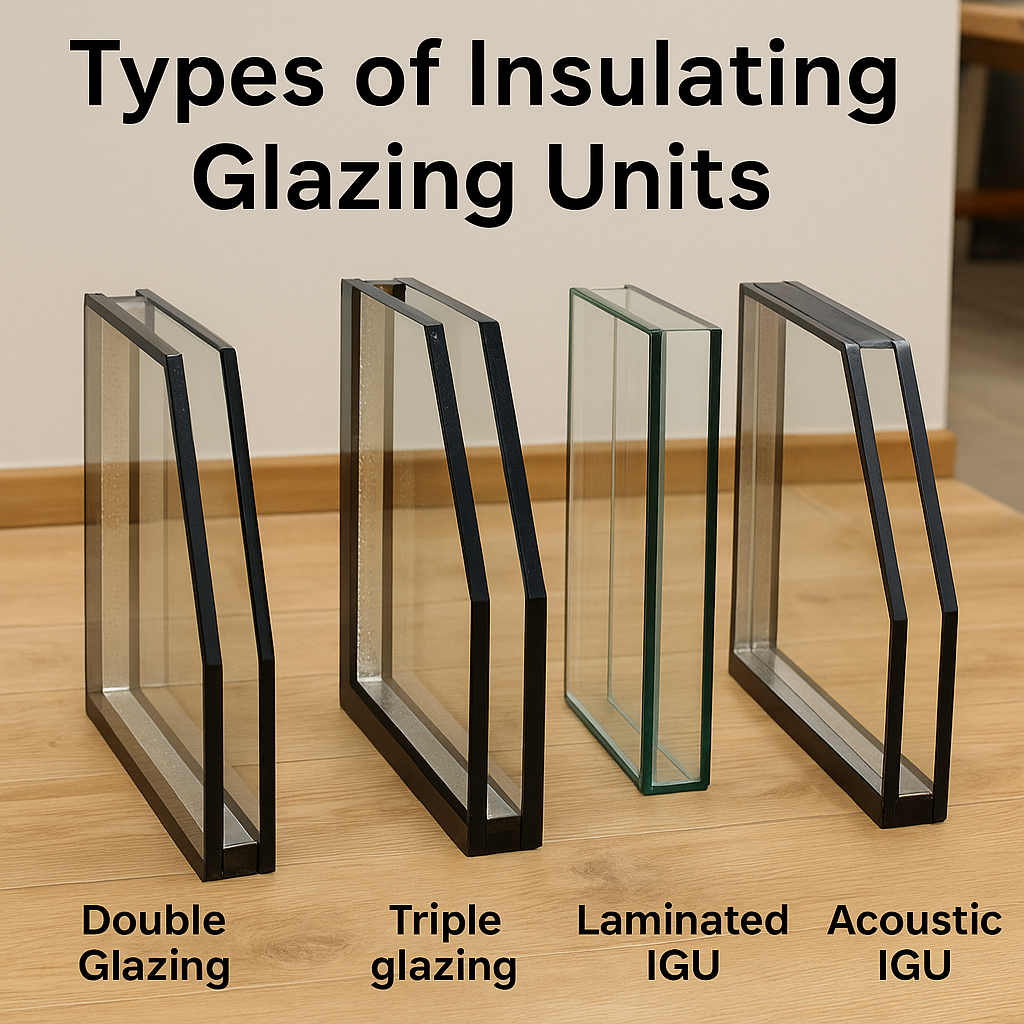
An insulating glazing unit (IGU) is a vital element in contemporary architecture, engineered to enhance energy efficiency, sound insulation, and indoor comfort. Often called double-glazed units (DGUs), IGUs consist of two or more panes of glass separated by a spacer and sealed to create a hermetically closed cavity. This cavity is typically filled with air or inert gas, dramatically improving thermal and acoustic performance.
In this article, we’ll explore the various types of insulating glazing units available today, their unique properties, construction variations, and ideal use cases.
What Is an Insulating Glazing Unit?
Before diving into the different types, it’s helpful to understand what makes up an IGU. Each unit generally includes:
- Glass panes: Made of clear, laminated, toughened, or performance glass
- Spacer bars: Separate the glass panes and maintain an even distance
- Gas fills: Argon or Krypton gas to enhance thermal insulation
- Sealants: Primary and secondary sealants protect the unit from moisture and air leaks
For a complete overview, visit Insulating Glazing Unit | What’s an Insulating Glazing Unit?.
1. Double-Glazed Insulating Units (Standard IGU)
This is the most common form of IGU and includes two panes of glass separated by a spacer. It forms the basis of most window installations for both residential and commercial buildings.
Typical configuration:
- 6mm clear glass + 12mm spacer + 6mm clear glass
Benefits:
- Affordable
- Decent thermal and sound insulation
- Widely available
Ideal for standard residential windows and doors.
2. Triple-Glazed Insulating Units
These units include three panes of glass and two spacer gaps, offering increased insulation performance. Triple-glazed units are popular in colder climates.
Typical configuration:
- 4mm + 12mm + 4mm + 12mm + 4mm
Benefits:
- Superior thermal insulation
- Improved soundproofing
- Better condensation resistance
Used in passive homes and energy-efficient buildings.
3. Laminated IGUs
Laminated glass is made by bonding two panes of glass with an interlayer (usually PVB or EVA). When used in an IGU, it enhances soundproofing and safety.
Configuration Example:
- 6.5mm laminated + 12mm spacer + 6mm clear glass
Benefits:
- Enhanced acoustic insulation
- Increased security and UV protection
- Holds together when shattered
Perfect for urban environments, schools, and hospitals. Explore more at Insulating Glass Unit Soundproofing and Thermal Benefits.
4. Low-E IGUs (Low Emissivity Coating)
Low-E IGUs include a special metallic coating that reflects infrared radiation. This improves energy efficiency by keeping heat inside during winter and outside during summer.
Benefits:
- Reduced energy consumption
- Higher thermal performance without compromising visibility
- Compatible with both double and triple-glazed configurations
Essential for green building certifications and smart home applications.
5. Warm Edge Spacer IGUs
Instead of using standard aluminium spacers, these IGUs use low-conductivity materials (like plastic composites). This results in better thermal performance around the glass edges.
Benefits:
- Reduced condensation
- Higher edge temperatures
- Longer-lasting IGUs
These are ideal for areas with extreme temperature swings or high humidity.
6. Custom Performance IGUs (ToughEco™ and ToughEco™ Plus)
Some manufacturers offer branded, customizable IGUs. For example, Tough Glass provides:
- ToughEco™: For everyday performance
- ToughEco™ Plus: Enhanced thermal and sound insulation
These units can be tailored based on glass type, spacer width, and gas fill.
Soundproof IGU Variants
Soundproofing is essential in modern urban settings. IGUs with varying glass thicknesses and laminated glass provide superior Rw (Weighted Sound Reduction Index):
Configurations and Ratings:
- 6mm float glass: Rw 31
- 6mm + 12mm spacer + 6mm: Rw 34
- 10mm + 12mm spacer + 6mm: Rw 36
- 6mm + 12mm spacer + 6.5mm laminated: Rw 38
Learn how IGUs block noise efficiently at How Does Insulating Glazing Units Work?
Where Are These IGUs Used?
Residential
Standard double or triple-glazed IGUs offer thermal comfort and noise reduction for:
- Windows
- Sliding doors
- Skylights
Modular Housing
Insulating glazing units are ideal for modular homes, offering easy integration and high energy performance. Read more at Insulating Glass Unit Applications in Modular Housing.
Commercial Buildings
Laminated or Low-E IGUs enhance safety and sustainability for:
- Office facades
- Retail storefronts
- Schools and hospitals
Manufacturing Support
Large IGUs often require precision lifting and installation tools like a jib crane to move panels safely during glazing projects.
Design Integration Tips
To make the most of IGUs in your building design:
- Coordinate finishes with Granite Countertop Installation for cohesive interiors
- Use warm edge spacers for modern energy standards
- Pair IGUs with smart HVAC systems
Landscape and Exterior Synergy
Pairing IGUs with sustainable landscaping can significantly improve solar control and property aesthetics. Discover smart outdoor integration at Bright View Landscape Key Characteristics Explained.
Final Thoughts
There’s no one-size-fits-all when it comes to choosing an insulating glazing unit. From standard double-glazing to laminated or Low-E solutions, each type offers specific benefits tailored to performance goals, budget, and environmental conditions.
Whether you’re designing for urban noise reduction, energy savings, or custom aesthetics, the right IGU makes all the difference in comfort, efficiency, and longevity.