
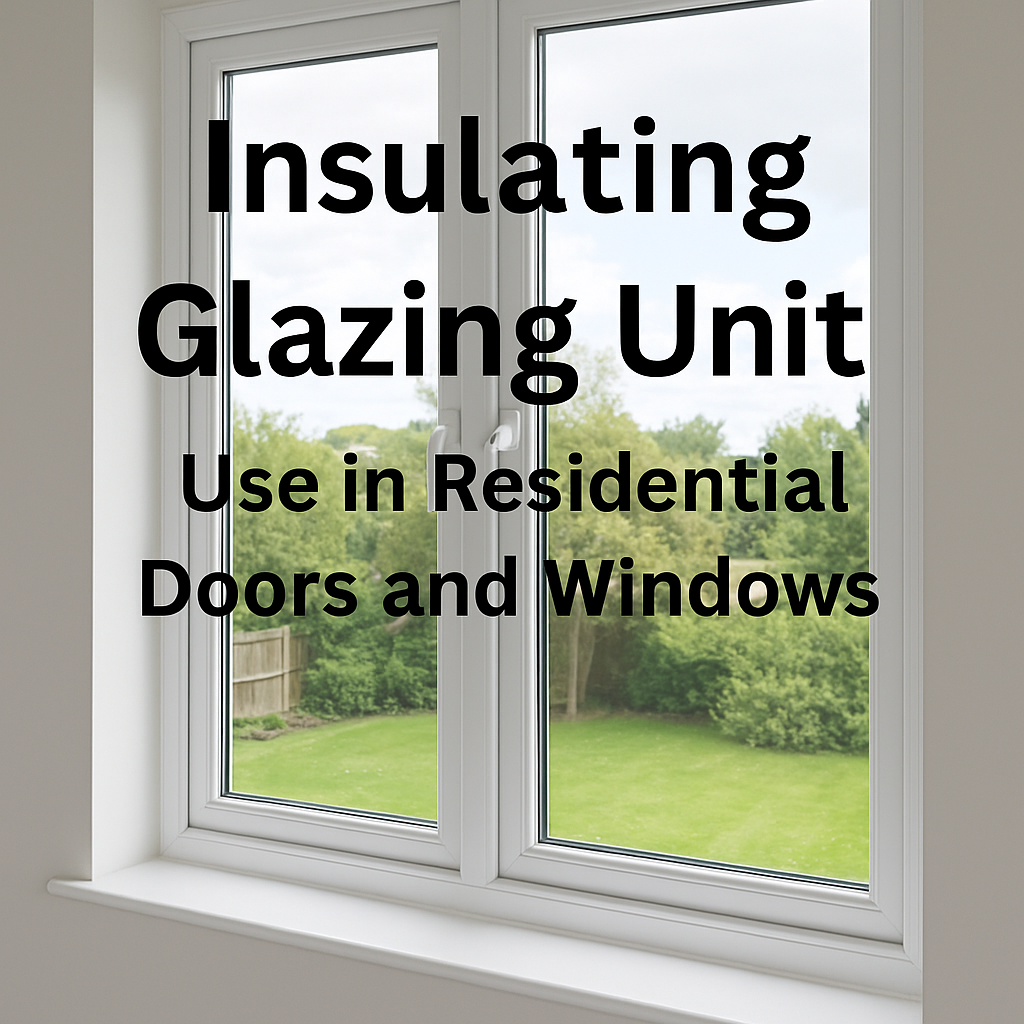
As homeowners continue to prioritize comfort, energy efficiency, and aesthetics, the insulating glazing unit (IGU) has emerged as a core component in modern window and door systems. Commonly known as double or triple glazing, an IGU is engineered to reduce thermal exchange, lower energy bills, and improve soundproofing while maintaining high visual clarity.
This article explores how IGUs are used in residential windows and doors, including their design benefits, performance metrics, configurations, and how they compare to traditional single-pane systems.
What Is an Insulating Glazing Unit?
An insulating glazing unit is a multi-pane glass structure consisting of two or more sheets of glass separated by spacers and sealed to enclose a cavity filled with either air, inert gas (like argon or krypton), or a vacuum. This setup minimizes heat transfer through the window or door assembly.
In homes, IGUs are installed in:
- Windows (casement, double-hung, bay, sliding, etc.)
- Entry and patio doors with glass panels
- Skylights and sunrooms
To understand the glass options within IGUs, see Insulating Glazing Unit | Types of Glass (Tempered, Low-E).
Why Use IGUs in Residential Construction?
1. Energy Efficiency
Residential windows and doors are a major source of heat loss and gain. By installing IGUs, homeowners can reduce energy usage for heating and cooling by up to 30%.
Lower U-values (as low as 0.5 W/m²K with triple or vacuum glazing) mean improved insulation. See Insulating Glazing Unit | Gas Filling (Argon, Krypton, Air) for more on gas fill options.
2. Noise Reduction
IGUs offer sound insulation with STC ratings ranging from 30-45 dB depending on glass thickness and configuration. This is ideal for homes in busy urban or suburban settings.
3. Comfort & Condensation Control
IGUs keep indoor surfaces warmer during winter, reducing condensation on window interiors. For optimal humidity management, explore Insulating Glazing Unit: Spacer Types and Their Importance.
4. UV and Solar Control
Low-E coatings and laminated glass options block up to 99% of UV rays, preserving indoor furnishings and improving solar heat control.
5. Design Versatility
IGUs are available in a variety of styles, frame materials, and opening mechanisms. From sliding glass doors to double-glazed bay windows, they integrate seamlessly into any architectural style.
Typical IGU Configurations in Homes
| Configuration | Application | Benefits |
|---|---|---|
| Double glazing (3-12-3 mm) | Standard windows and doors | Balanced performance and cost |
| Acoustic double glazing | Near highways, airports | Enhanced noise control |
| Low-E double glazing | Cold climates, passive homes | Reflective coatings improve insulation |
| Triple glazing (3-12-3-12-3 mm) | Luxury homes, energy-efficient builds | Maximum thermal and sound insulation |
| Vacuum-insulated glazing | Heritage retrofits, slim frames | Exceptional insulation in thin profile |
IGUs in Residential Windows
In residential applications, IGUs are installed in:
- Casement windows: Hinged at the side for full ventilation
- Double-hung windows: Allow both sashes to move for air flow
- Fixed windows: Do not open but offer excellent insulation
- Bay and bow windows: Use multiple IGUs to create curves or angles
- Sliding windows: Ideal for horizontal space-saving
Proper installation is key to maximizing the benefits of IGUs. For aesthetic and functional integration, consider pairing efficient windows with beautiful kitchen views and durable Granite Countertop Installation features.
IGUs in Residential Doors
Many modern homes incorporate glass panels in doors to enhance natural light and style. IGUs are commonly used in:
- Sliding patio doors
- French doors
- Entry doors with decorative glazing
These doors can combine decorative, tempered, or laminated glass within IGUs to balance safety, energy performance, and aesthetics.
Retrofitting Existing Windows with IGUs
Older homes with single-pane windows can often be retrofitted with double or vacuum-insulated glazing without replacing the entire frame. Benefits include:
- Minimal disruption to the property
- Improved thermal and sound insulation
- Long-term energy savings
This is an attractive solution for heritage homes or owners wanting improved performance without altering the appearance.
Durability and Lifespan
- Standard IGUs last 15–25 years
- Units with improved spacers and gas seals can last 30+ years
- Vacuum-insulated glass has an expected life of 25–30 years
Durability is influenced by factors such as spacer design, sealant quality, and environmental exposure. For expert fabrication, trusted Countertop Fabricators often incorporate IGUs in cabinetry and built-ins requiring visibility and insulation.
Environmental and Sustainability Benefits
IGUs play a vital role in green building certifications like LEED or Passive House due to their ability to:
- Reduce energy consumption
- Lower HVAC loads
- Minimize greenhouse gas emissions
Paired with eco-conscious landscaping (see Bright View Landscape with Green Waste Reduction Tips), IGUs help homeowners create comfortable, efficient, and sustainable living spaces.
Final Thoughts
When it comes to windows and doors, the insulating glazing unit is a high-performance solution that enhances nearly every aspect of a home’s envelope. From cutting down utility bills to reducing outside noise and boosting natural light, IGUs provide real long-term value.
Whether you are building a new home, remodeling a kitchen with a panoramic view, or upgrading an entryway, integrating IGUs into your design delivers beauty, efficiency, and peace of mind.