
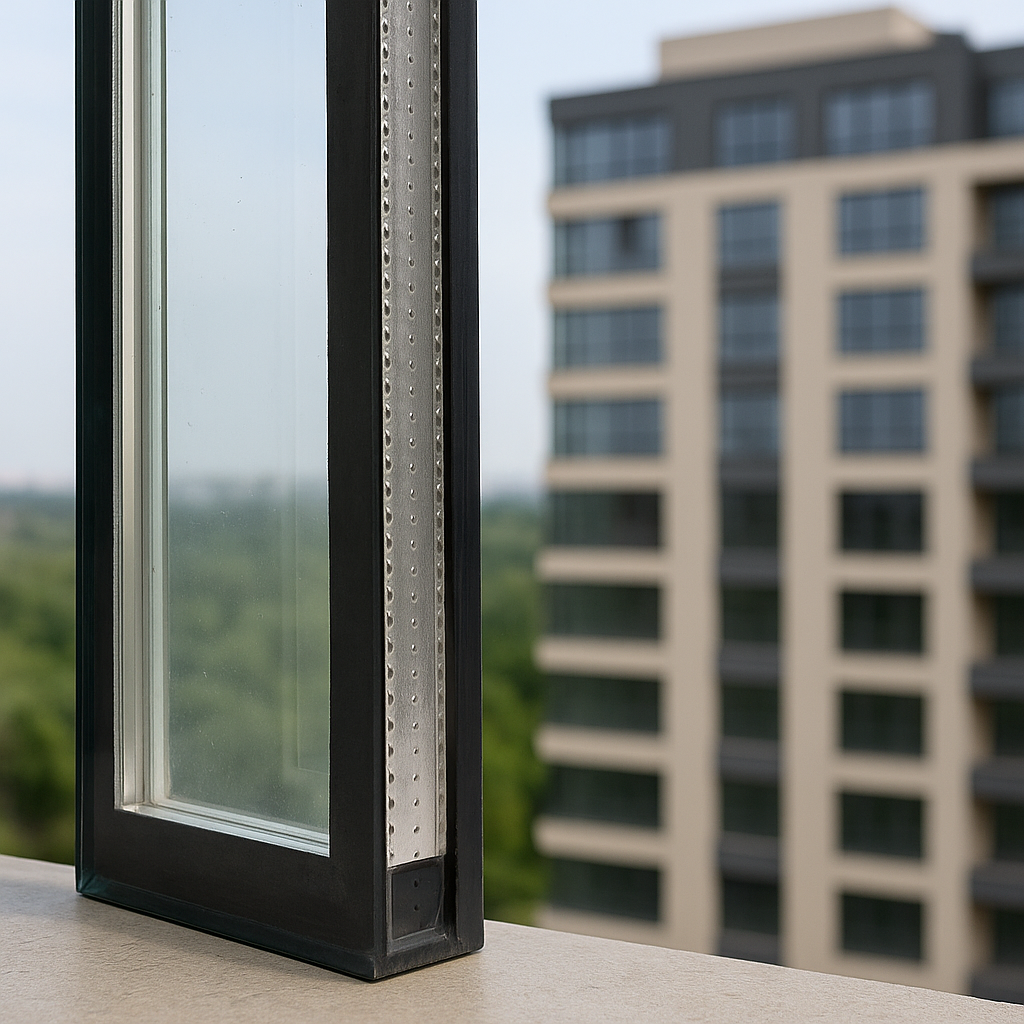
An insulating glazing unit (IGU), also known as a double-glazed unit (DGU), is a modern window system designed to enhance energy efficiency, reduce noise pollution, and provide better comfort in residential and commercial buildings. It consists of two or more glass panes separated by a spacer and sealed together, often with a gas fill between the panes to boost thermal and acoustic insulation.
This article explores what an insulating glazing unit is, how it works, its core components, performance benefits, and where it fits within modern architecture and sustainable building practices.
What is an Insulating Glazing Unit?
An insulating glazing unit is a preassembled, sealed unit made of multiple glass panels—commonly two (double-glazed) or three (triple-glazed)—with a spacer system and inert gas filling between them. The entire assembly is sealed with primary and secondary sealants to prevent moisture infiltration and maintain performance.
IGUs are a critical feature of energy-efficient window systems. They are widely used in residential, commercial, and industrial buildings to improve insulation, reduce heating and cooling loads, and enhance indoor comfort.
Components of an Insulating Glazing Unit
1. Glass
The primary material of an IGU, glass provides visibility, natural light, and protection from external elements. Glass options include annealed, toughened, laminated, and low-emissivity (Low-E) performance glass, depending on the insulation and safety needs.
2. Spacer Bar
The spacer separates the panes of glass and maintains a uniform distance between them. It can be made of materials such as aluminium, steel, thermoplastic, or warm edge spacers (non-metallic, insulating composites). Warm edge spacers reduce thermal conductivity and help prevent heat loss at the edges of the IGU.
3. Gas Fill
Inert gases like Argon or Krypton are commonly used to fill the space between glass panes. These gases reduce thermal conductivity, improve sound insulation, and enhance the overall energy performance of the IGU.
4. Sealants
Sealants ensure the durability and structural integrity of the IGU. The primary seal bonds the glass to the spacer and minimizes heat transfer. The secondary seal (outer seal) provides moisture resistance and enhances the structural strength of the unit. Typical sealants include hot melt butyl, polysulfide, polyurethane, and silicone.
Performance Benefits of Insulating Glazing Units
Thermal Performance
Insulating glazing units drastically reduce thermal transference. In winter, they help retain heat inside; in summer, they block heat from entering. This performance is quantified using:
- U-Value: Measures the rate of heat transfer. Lower values indicate better insulation.
- SHGC (Solar Heat Gain Coefficient): Reflects how much solar radiation passes through. Lower SHGC values reduce solar heat gain.
- VLT (Visible Light Transmittance): Indicates the percentage of visible light passing through the glass.
For in-depth insights, refer to Insulating Glass Unit Soundproofing and Thermal Benefits.
Sound Insulation
IGUs also provide significant soundproofing benefits. The level of acoustic insulation is rated using the Rw (Weighted Sound Reduction Index). The higher the Rw value, the better the sound insulation. Consider the following configurations:
- Single 6mm Glass: Rw 31
- Standard IGU (6mm + 12mm spacer + 6mm): Rw 34
- Asymmetric IGU (10mm + 12mm spacer + 6mm): Rw 36
- Optimal IGU (6mm + 12mm spacer + 6.5mm laminated): Rw 38
These variations show how altering the thickness and composition of glass layers can significantly impact acoustic performance.
Condensation Control
Because of the sealed gas space and reduced thermal bridging, IGUs significantly reduce condensation on the glass surface, leading to clearer views and less mold or mildew formation.
Air Quality Enhancement
By minimizing temperature fluctuations and moisture buildup, IGUs contribute to better Indoor Air Quality (IAQ). Learn more about the Insulating Glass Unit Impact on Indoor Air Quality (IAQ).
Common Applications of Insulating Glazing Units
Residential Buildings
IGUs are ideal for homes where thermal comfort and noise reduction are key. They’re widely used in:
- Living room and bedroom windows
- Sliding doors
- Sunrooms
Modular and Prefabricated Housing
IGUs are well-suited to modular construction due to their efficiency, ease of installation, and energy performance. Learn more in Insulating Glass Unit Applications in Modular Housing.
Commercial and Industrial Buildings
Office buildings, retail stores, hospitals, and schools use IGUs to regulate temperature and enhance occupant comfort while cutting energy costs.
Design Considerations for IGU Selection
When choosing an IGU for your building project, consider the following:
- Climate Zone: Choose glass types and gas fills suitable for hot, cold, or mixed climates.
- Frame Compatibility: Ensure your window frame supports the chosen IGU thickness and weight.
- Aesthetic Integration: Match your IGU with architectural finishes, such as granite countertops, metal accents, or decorative glass.
- Safety Needs: For high-traffic or elevated areas, opt for toughened or laminated safety glass.
- Acoustic Performance: Use asymmetric glass thicknesses or acoustic laminate glass where soundproofing is essential.
DIY Considerations and Installation Tools
Though professional installation is recommended for IGUs, DIY enthusiasts handling other home improvements should familiarize themselves with proper transport and securing methods. A useful guide is How to Use Ratchet Tie Down Straps.
Complementing IGUs with Landscaping and Exterior Design
To maximize IGU effectiveness and enhance visual appeal, complement your windows with sustainable landscaping. Thoughtful planning can reduce solar heat gain and improve property value. Explore Bright View Landscape Key Characteristics Explained.
Conclusion
An insulating glazing unit is much more than a window — it’s an investment in energy efficiency, comfort, soundproofing, and modern design. With the ability to tailor configurations based on climate, acoustics, and aesthetics, IGUs have become indispensable in today’s construction and renovation landscape.
Whether you’re outfitting a new modular home or upgrading a high-rise building, IGUs provide a clear path toward smarter, greener, and quieter living.