
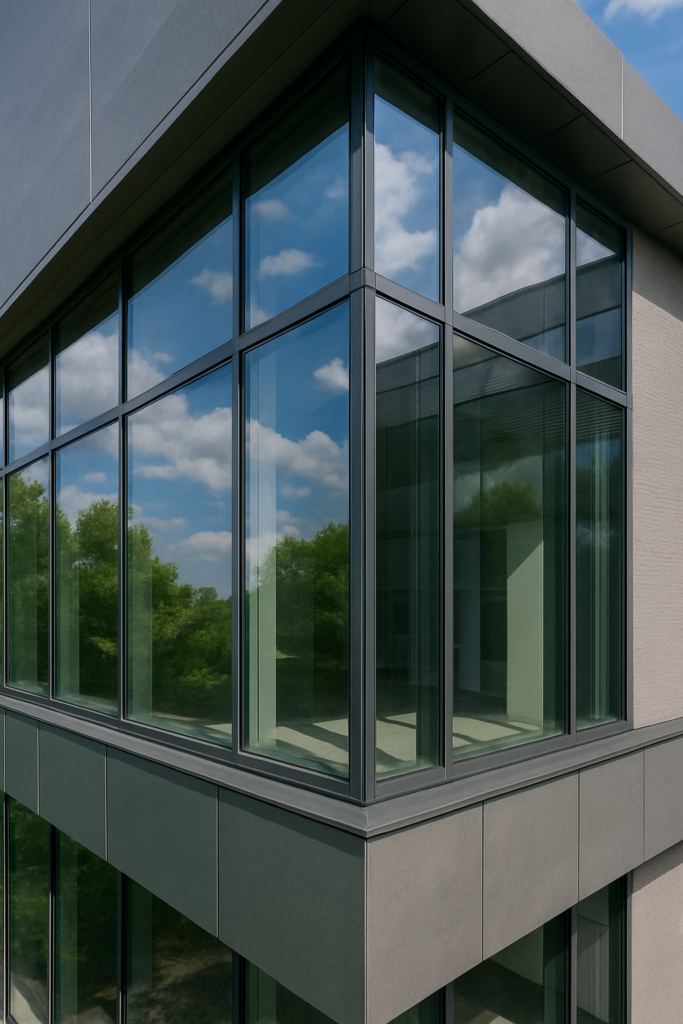
This guide explains how low emissivity glass balances daylight and solar control, what design choices affect performance, and how to specify it intelligently
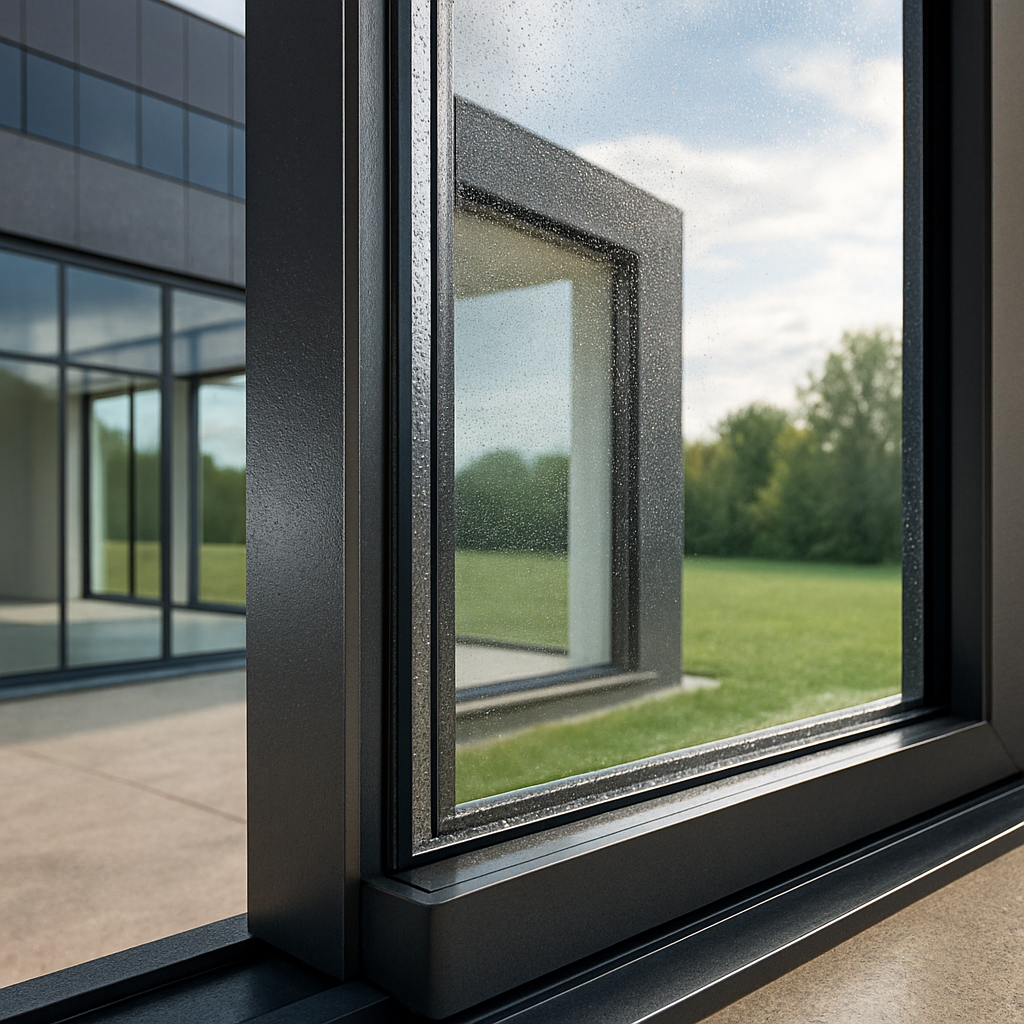
glass low e low e glass types low emissivity glass
Low E Glass Types Change Performance by Surface Location
In this article, we’ll unpack why low e glass types change performance by surface location,
Continue reading
glass low e low e glass types low emissivity glass
Which Low E Glass Types Provide Strong Spectral Selectivity?
This article explains what spectral selectivity is, why it matters, and which low e glass
Continue reading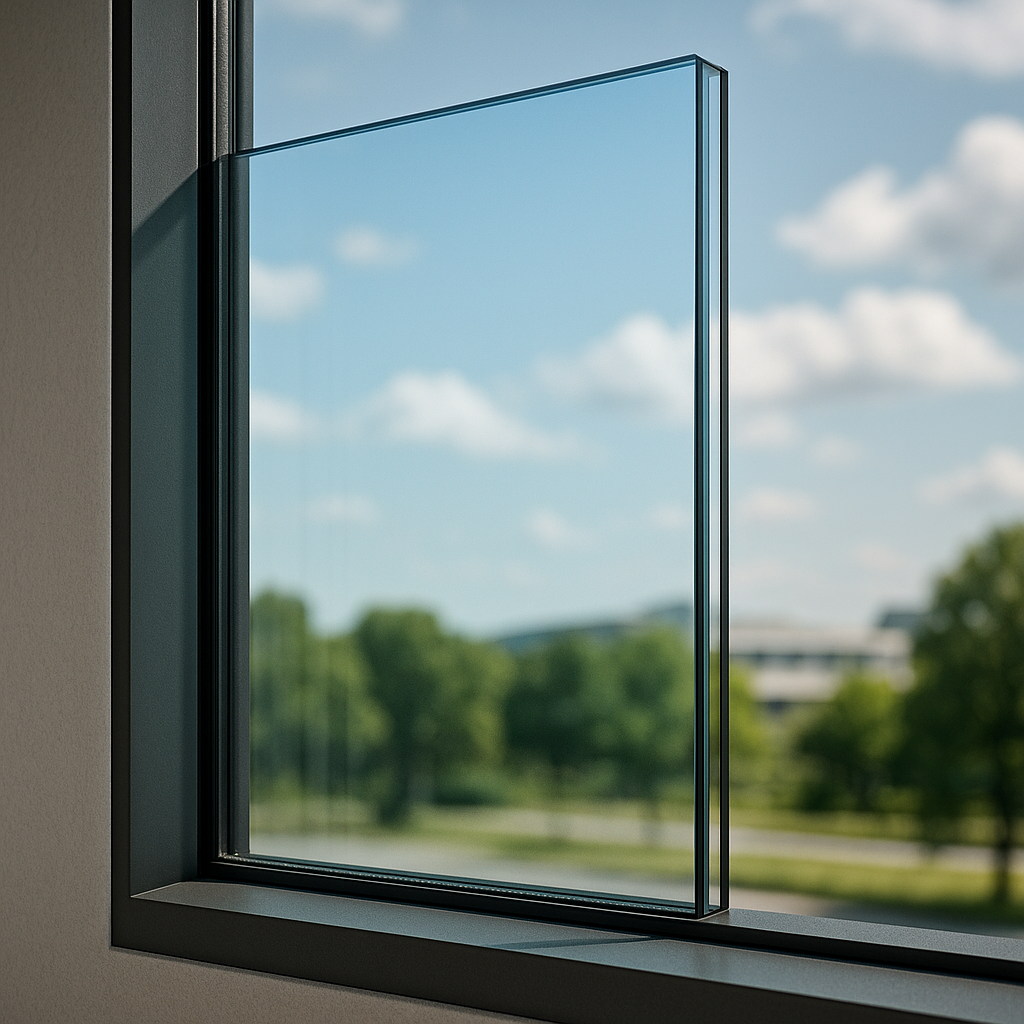
glass low e low e glass types low emissivity glass
Which Factors Make Low E Glass Types Perform Better?
we’ll break down which factors make low e glass types perform better in hot areas,
Continue reading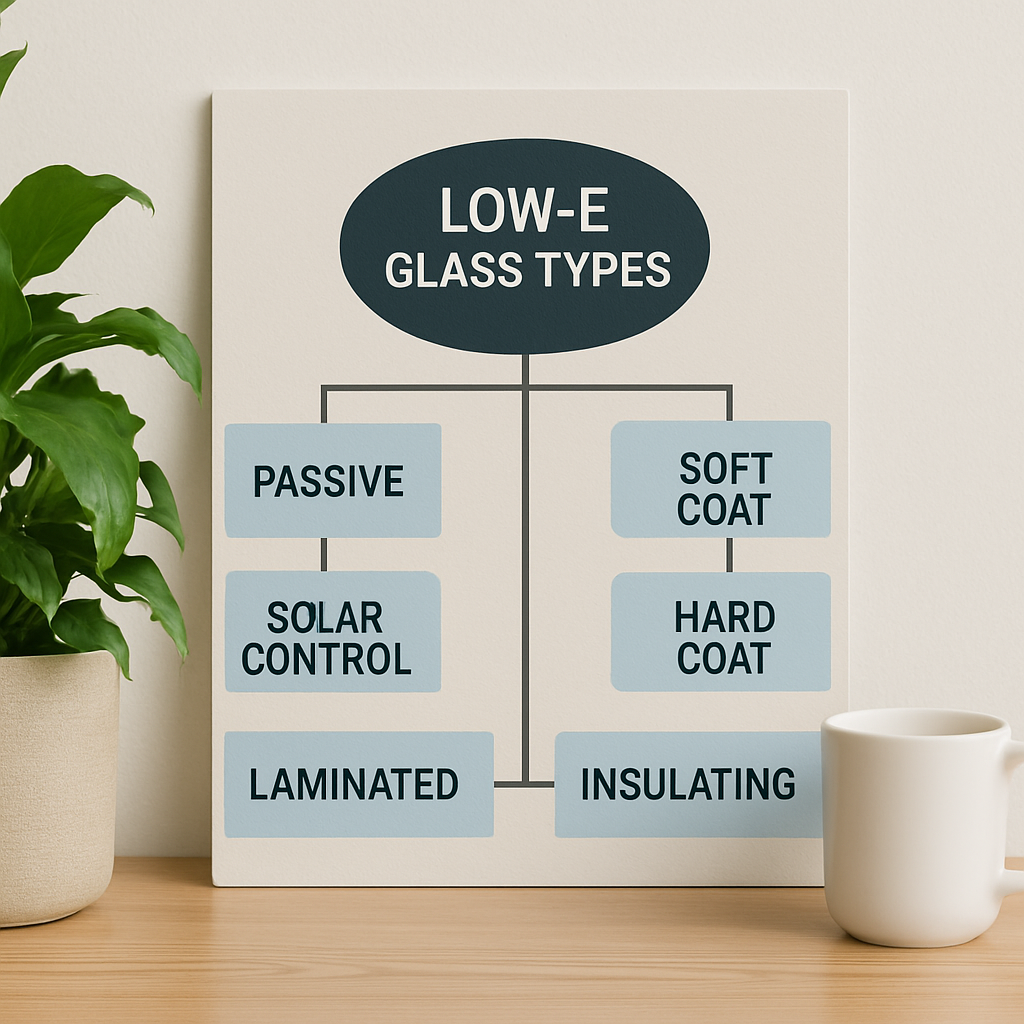
glass low e low e glass types low emissivity glass
What Help Low E Glass Types Achieve Higher Efficiency?
What really helps low emissivity glass types achieve higher thermal efficiency isn’t a single magic
Continue reading
glass low e low e glass types low emissivity glass
Which Low E Glass Types Work Best for High Solar Gain Homes?
This guide walks through which Low E glass types work best for high solar gain
Continue reading
low emissivity glass isn’t just a nicer window upgrade. It’s a practical, proven tool for reducing the environmental footprint of buildings
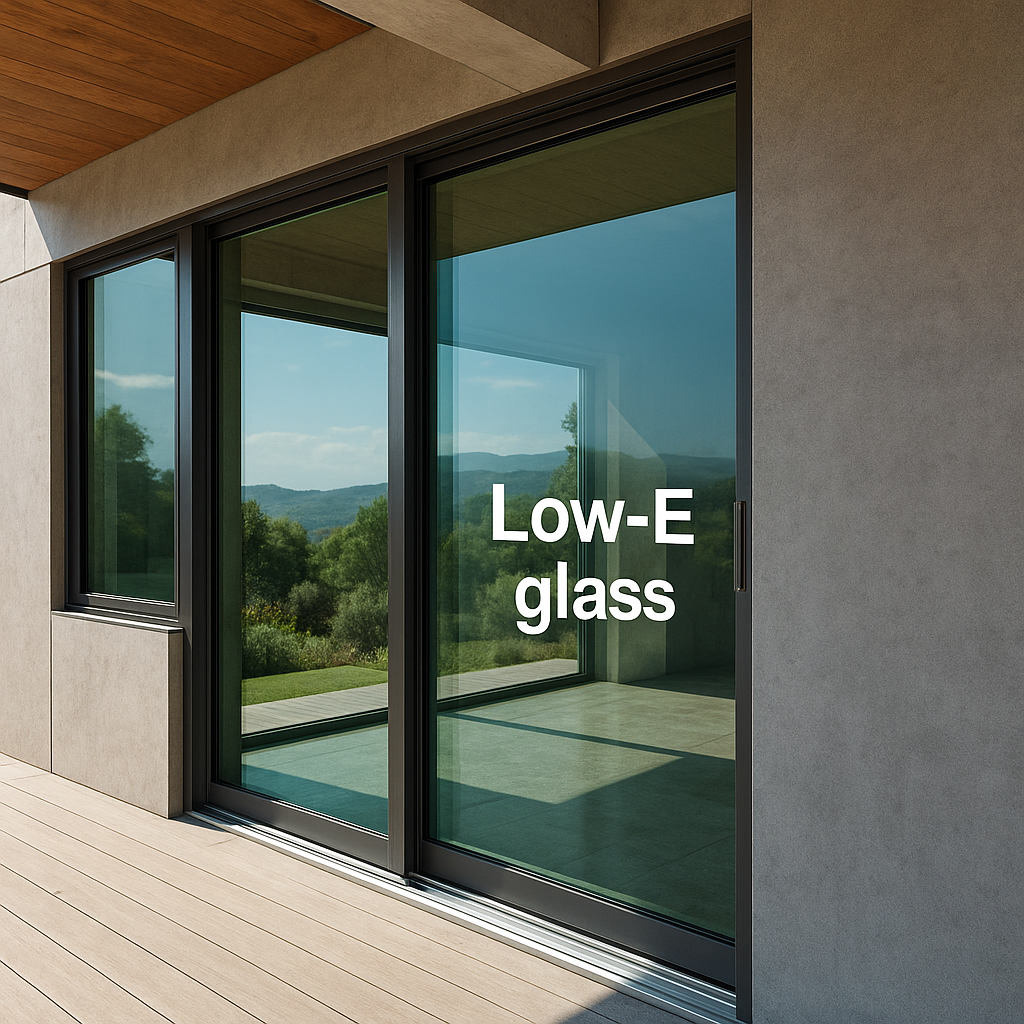
This guide breaks down the main factors that affect low emissivity glass pricing today, so you can understand where the money goes and how to specify smartly
glass low e, low emissivity glass
How Does Low Emissivity Glass Outperform Non-Coated Double Glazing?
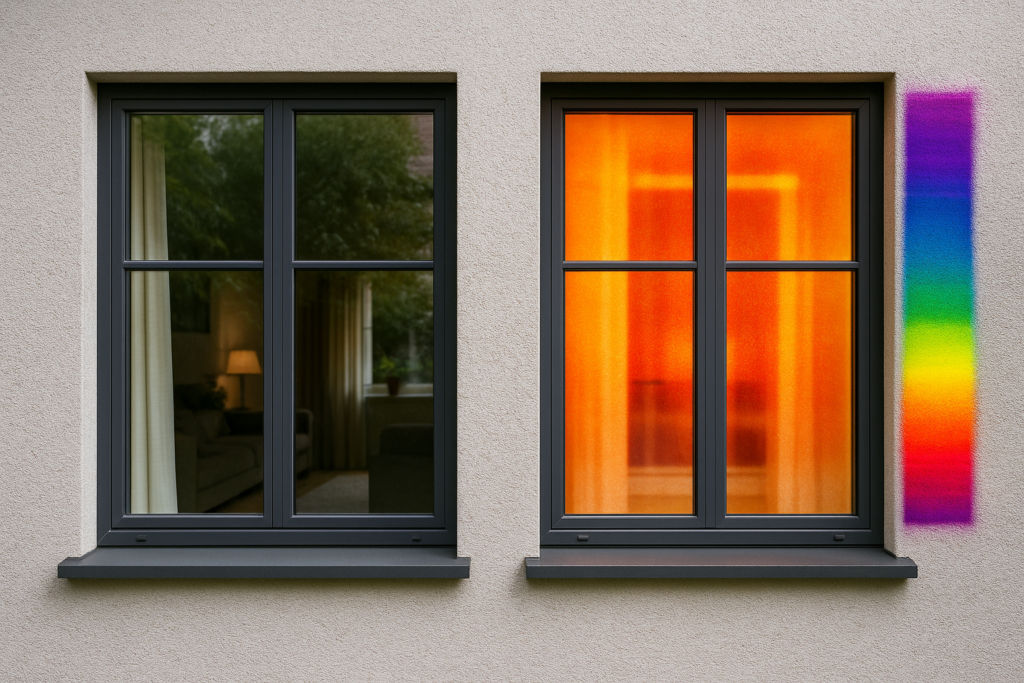
we’ll explore how low emissivity glass works inside insulated glass units (IGUs), why it outperforms standard clear double glazing, and when upgrading to Low-E
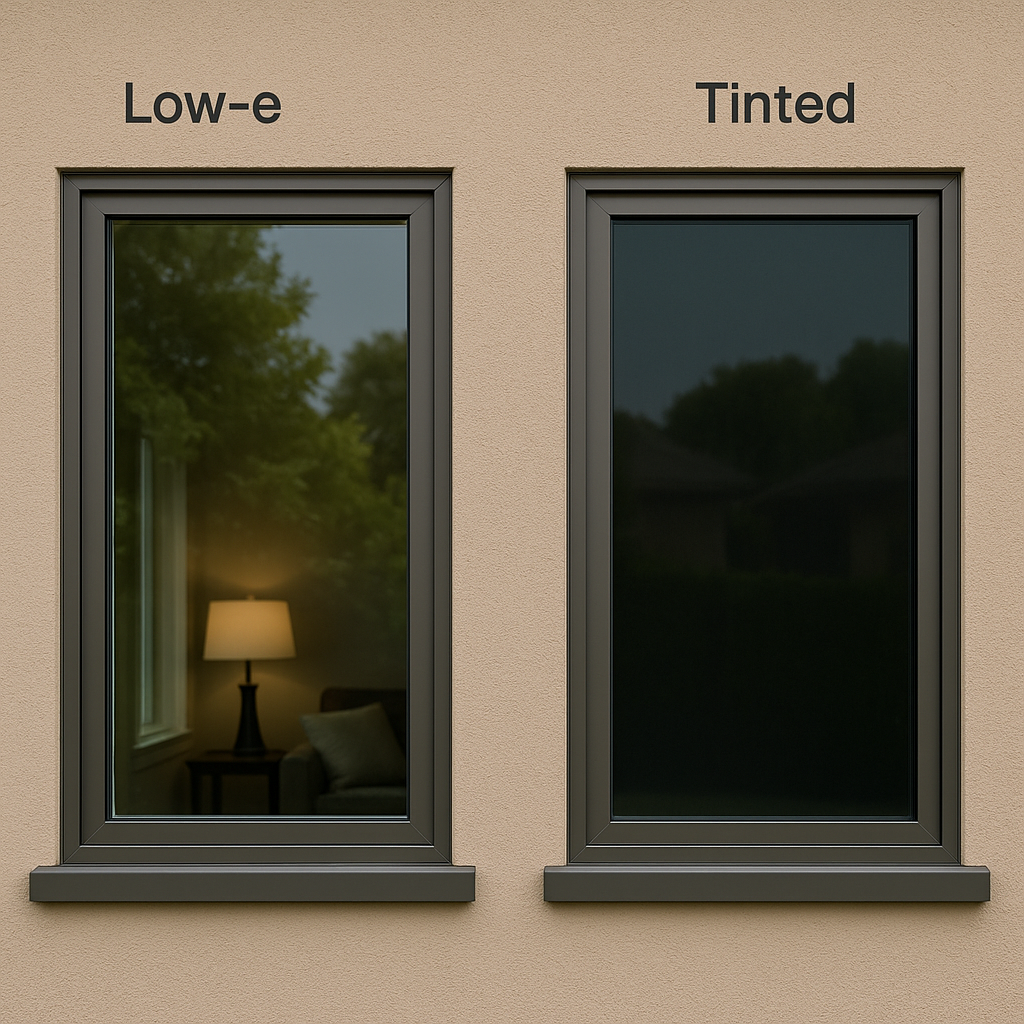
This guide explains what makes low emissivity glass different from tinted and reflective glass, how each type controls heat and light

we’ll explore why low emissivity glass is superior to standard clear glass, and when upgrading from clear to Low-E makes the biggest difference
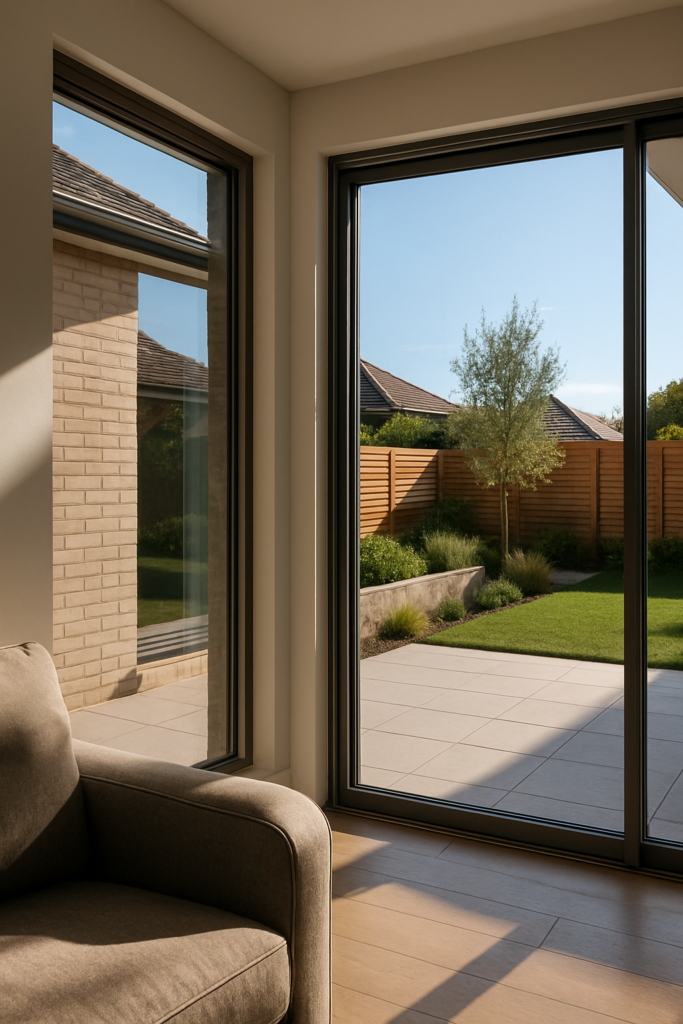
we’ll break down how low emissivity glass helps control heat in hot climates, how it works with the solar spectrum, and where it should be used
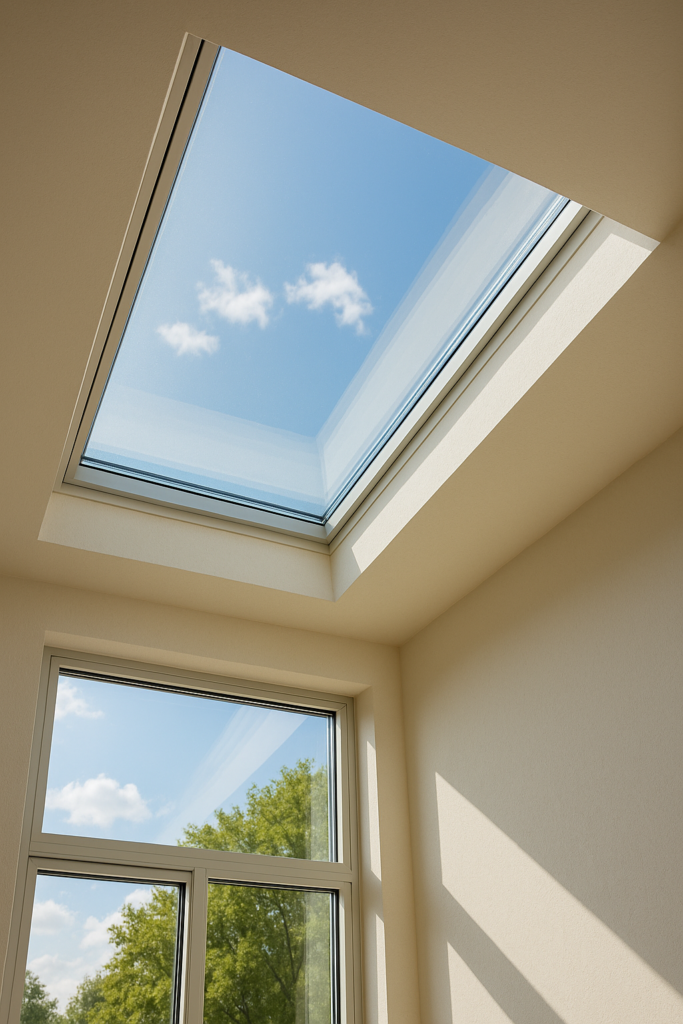
we’ll look at where low emissivity glass works best in skylight designs, how to match it to climate and orientation, and how to combine it with framing, shading

we’ll explore why commercial facades prefer low emissivity glass solutions, and how they deliver value across performance, comfort, design, and long-term cost.
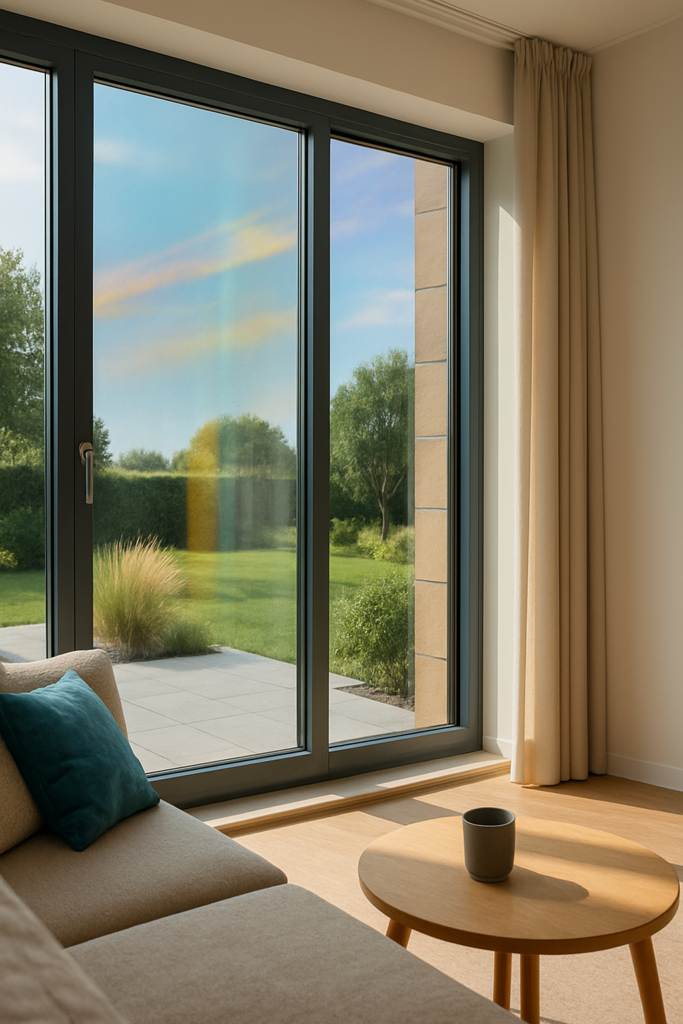
This guide breaks down how low emissivity glass improves comfort in residential homes, from temperature and glare to noise, condensation