
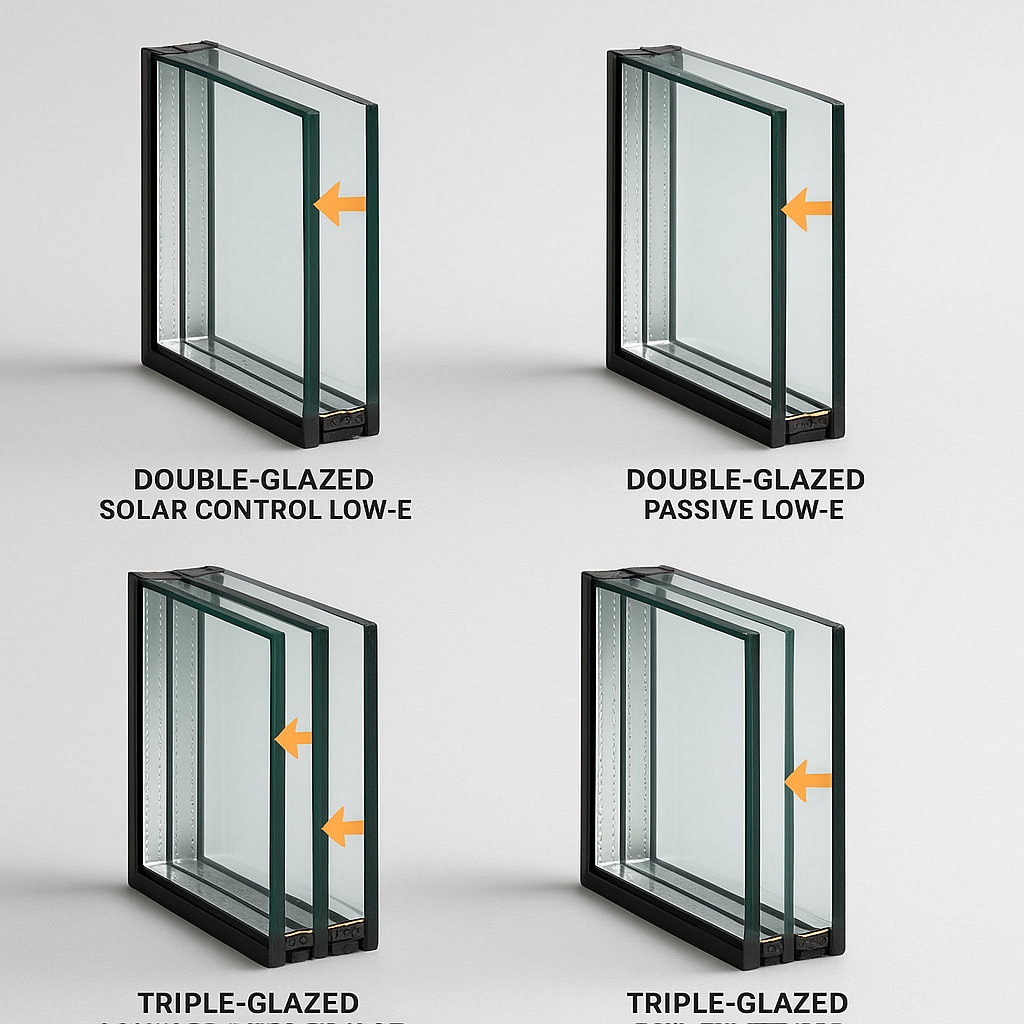
This guide explains exactly where low emissivity glass should sit in both double- and triple-glazed IGUs, and how the “right” position changes
glass low e low e glass types low emissivity glass
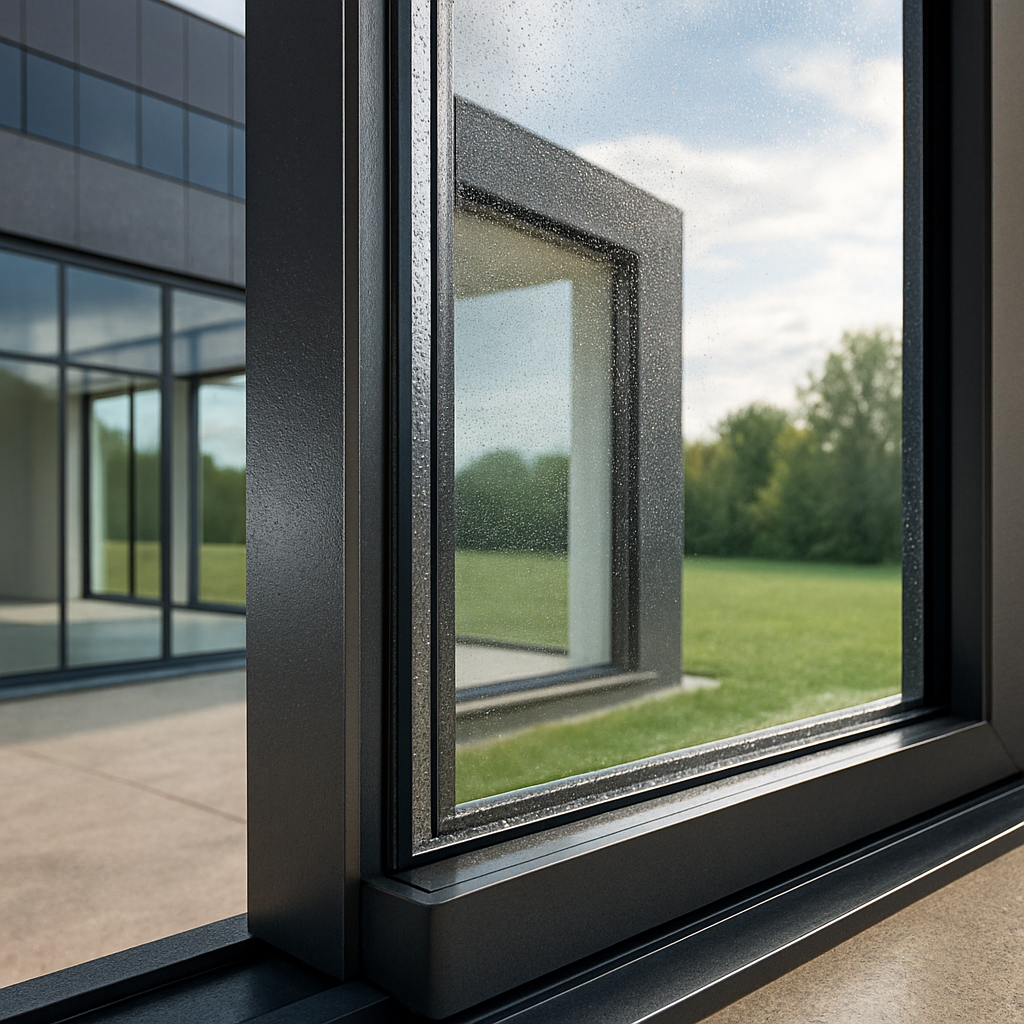
Low E Glass Types Change Performance by Surface Location
In this article, we’ll unpack why low e glass types change performance by surface location,
Continue reading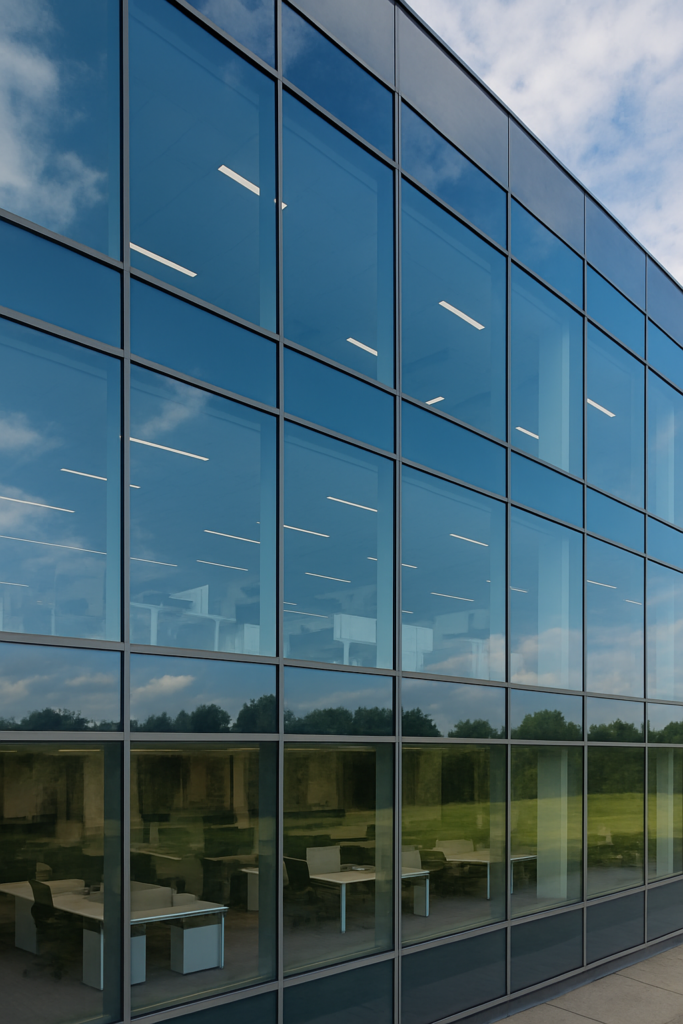
glass low e low e glass types low emissivity glass
Which Low E Glass Types Provide Strong Spectral Selectivity?
This article explains what spectral selectivity is, why it matters, and which low e glass
Continue reading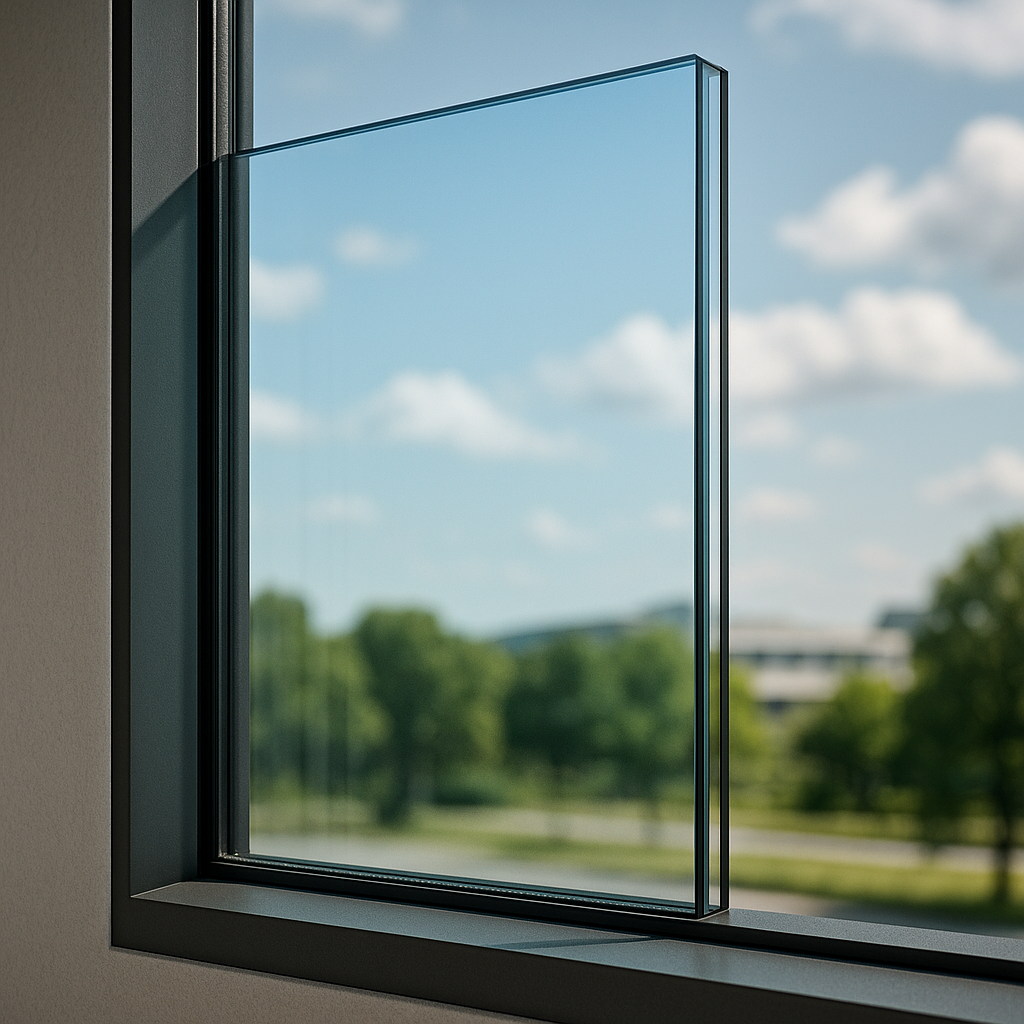
glass low e low e glass types low emissivity glass
Which Factors Make Low E Glass Types Perform Better?
we’ll break down which factors make low e glass types perform better in hot areas,
Continue reading
glass low e low e glass types low emissivity glass
What Help Low E Glass Types Achieve Higher Efficiency?
What really helps low emissivity glass types achieve higher thermal efficiency isn’t a single magic
Continue reading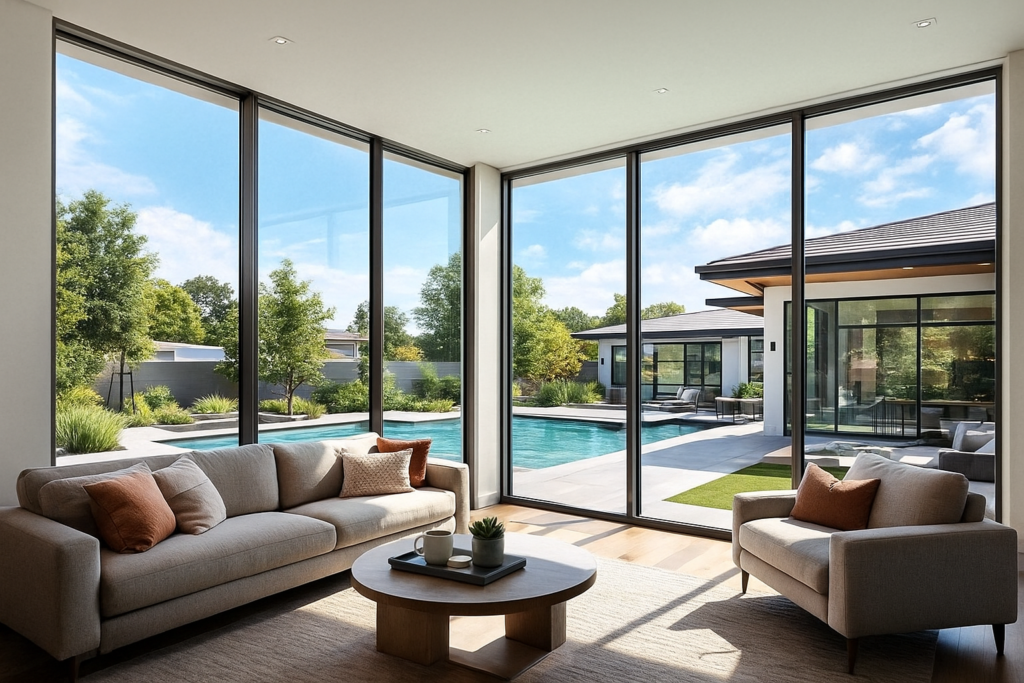
glass low e low e glass types low emissivity glass
Which Low E Glass Types Work Best for High Solar Gain Homes?
This guide walks through which Low E glass types work best for high solar gain
Continue reading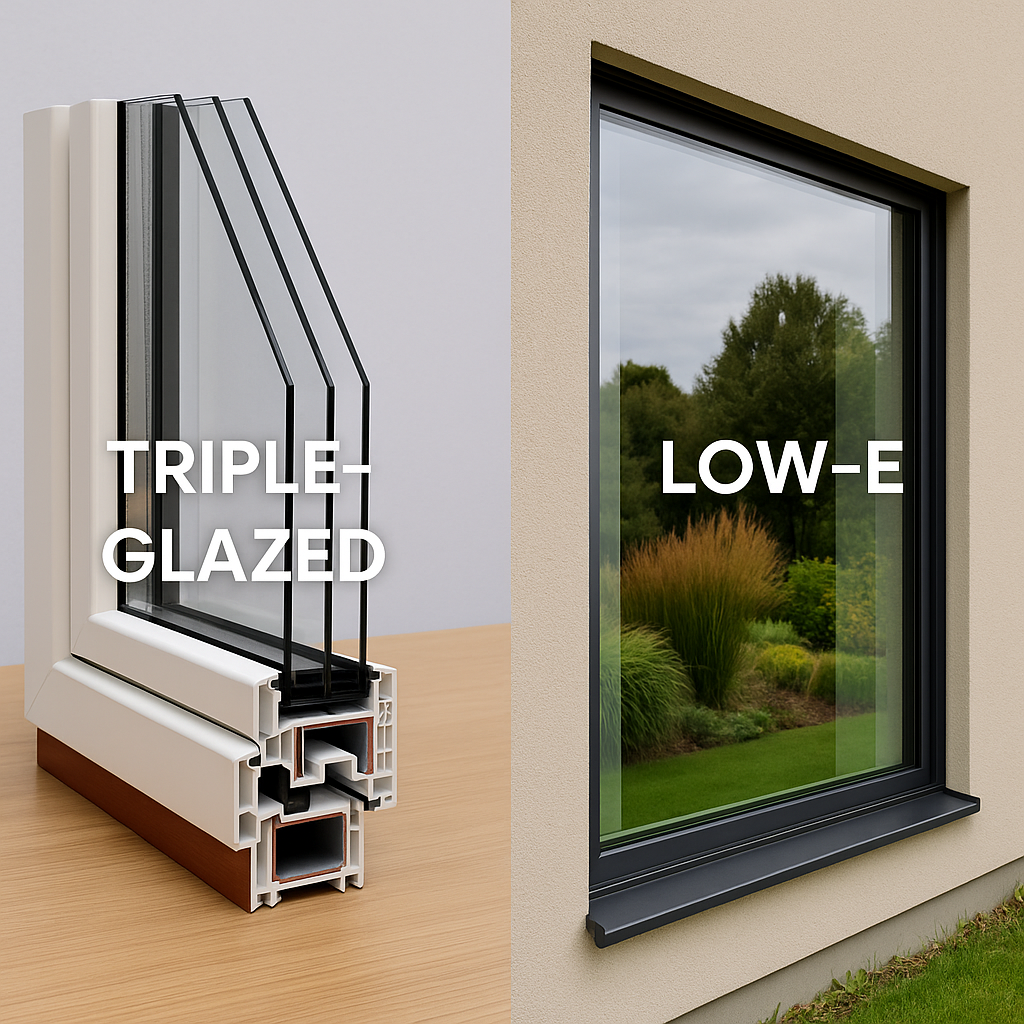
we’ll unpack how low emissivity glass performs in triple-glazed systems, how it compares to double glazing, and what you should consider
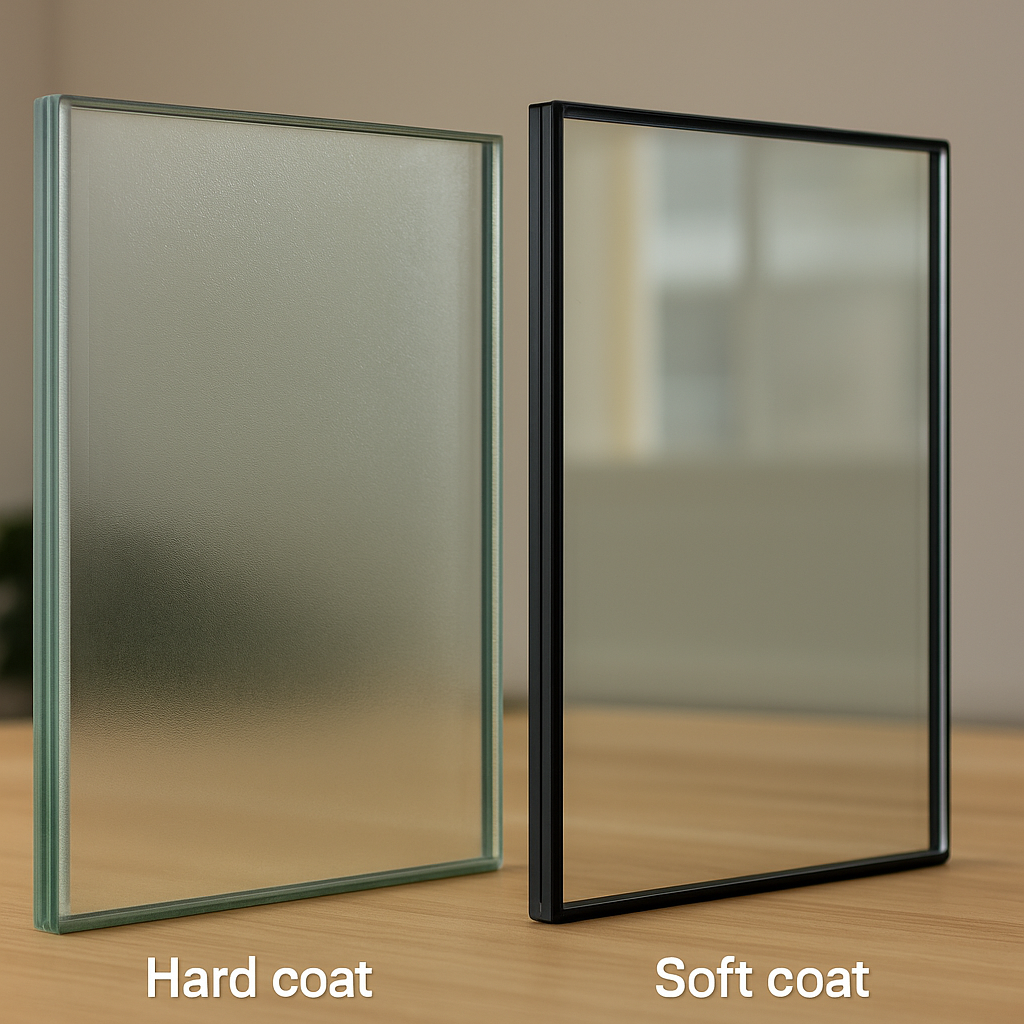
once you understand the difference between hard-coat and soft-coat, low emissivity glass stops being a mystery coating and becomes a precise, powerful tool
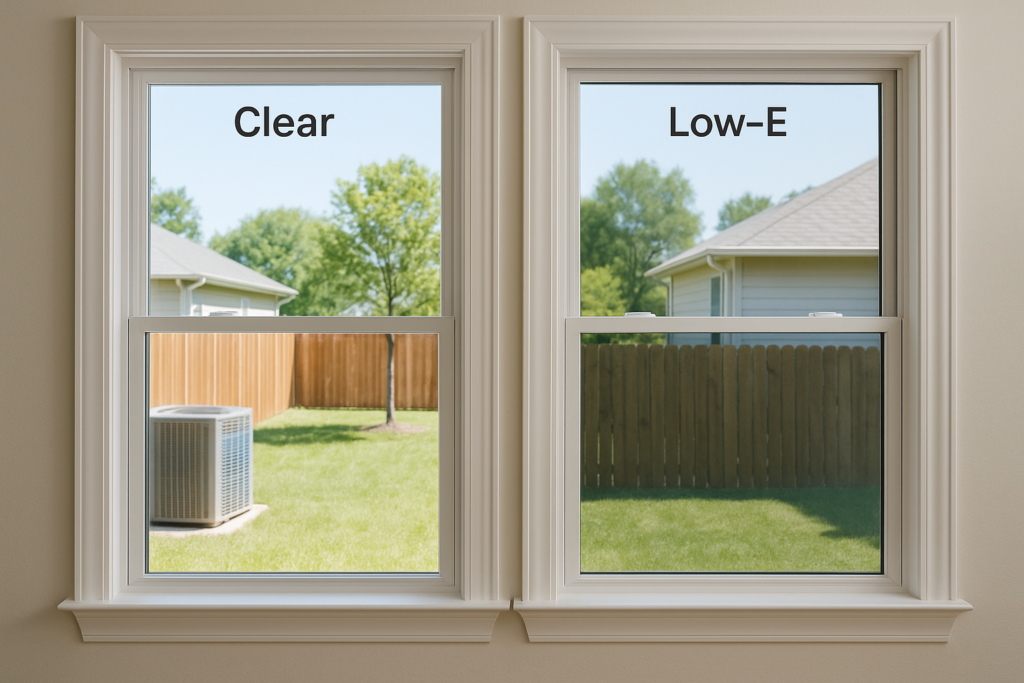
Low emissivity glass takes everything we like about glass – light, views, transparency – and adds the insulation and protection we now need.
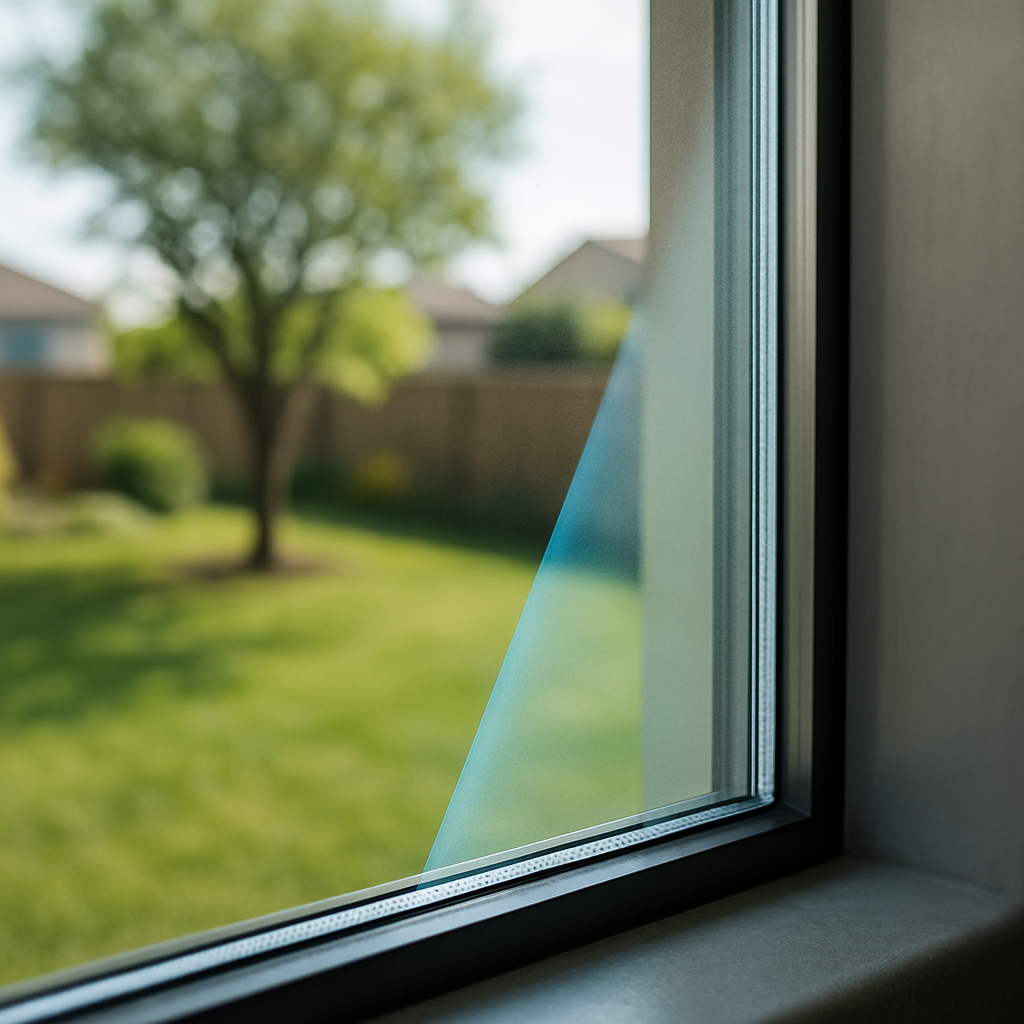
In this guide, we’ll look at how low emissivity glass works, how it reduces heat loss and UV damage, and what you should consider when specifying it for your home.
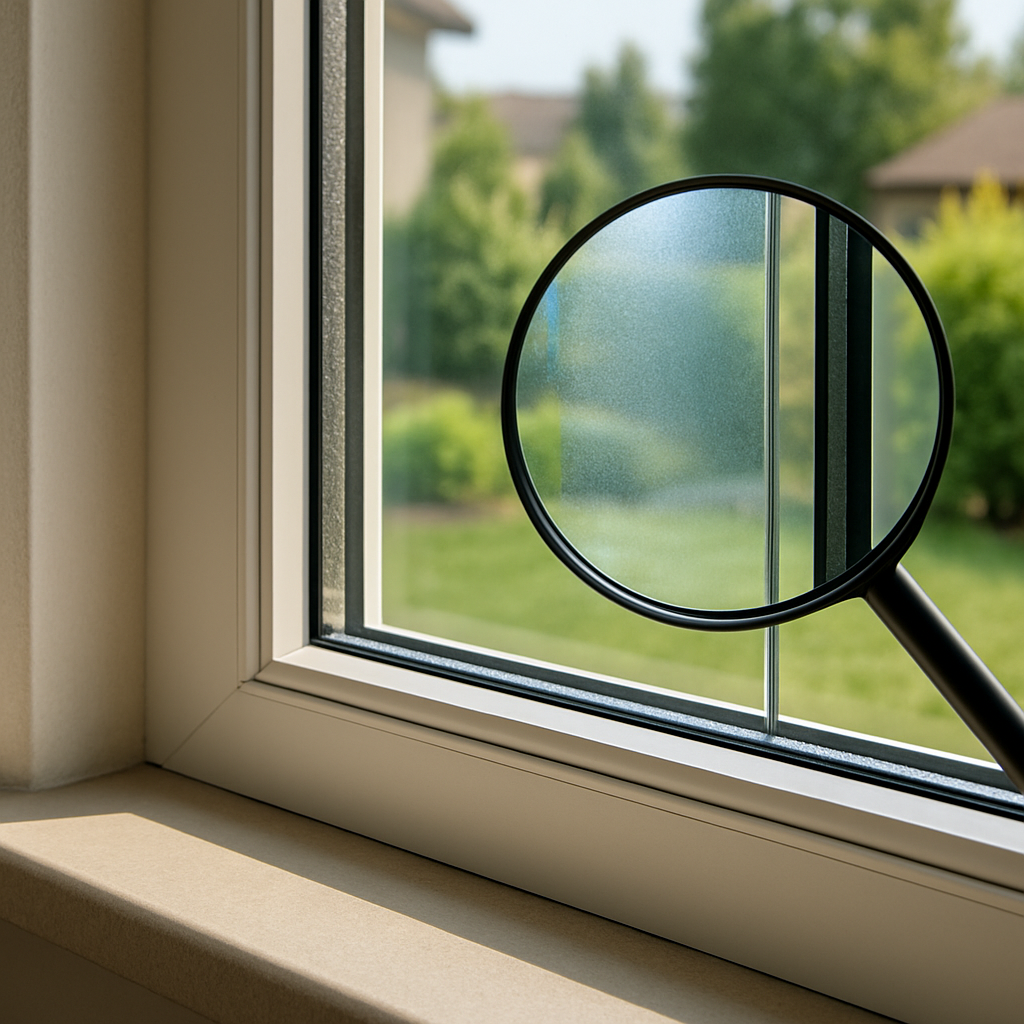
we’ll break down how low emissivity glass improves energy efficiency in homes, from the physics of emissivity through to real-world benefits and design
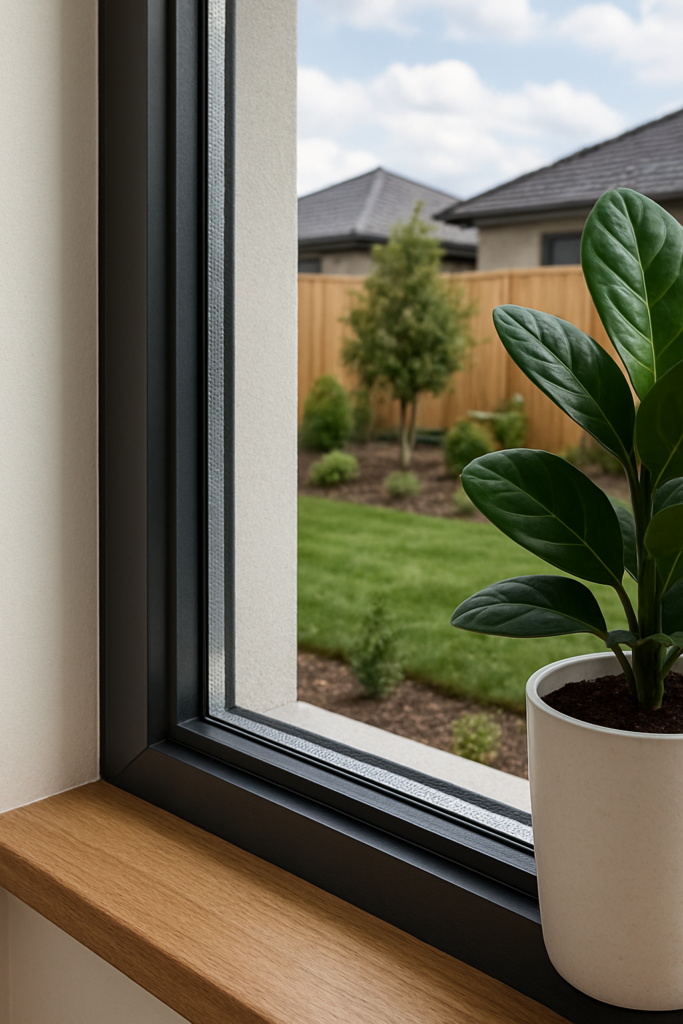
In this guide, we’ll break down why low emissivity glass matters so much right now, how it works, what types you can choose from

This article explores how, why, and when Low-E glass fails if not well maintained, along with practical steps to extend its lifespan.

Among the latest advancements, glass low e (Low-Emissivity glass) has become a preferred choice for residential, commercial, and industrial projects

Modern architecture continues to evolve toward sustainability and energy efficiency, and glass low e technology stands at the forefront of that movement.