
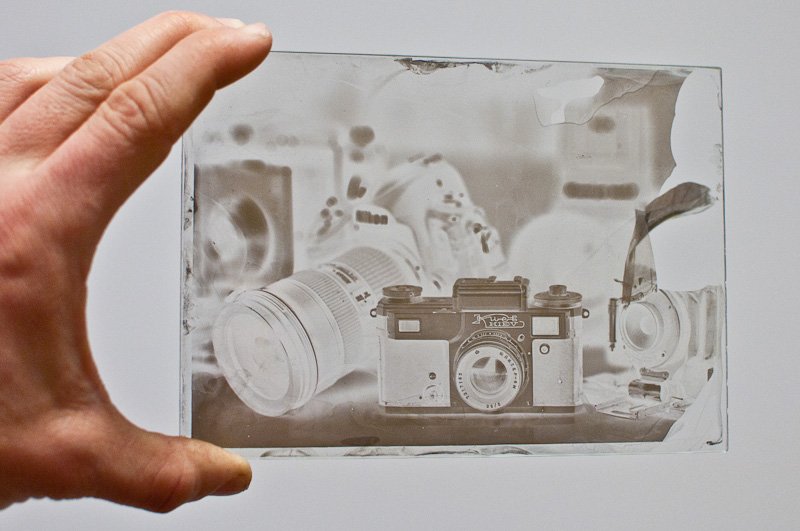
5 transformative ways glass plate photography changed imaging forever and how its legacy continues to shape today’s glass, optics, and architectural industries.
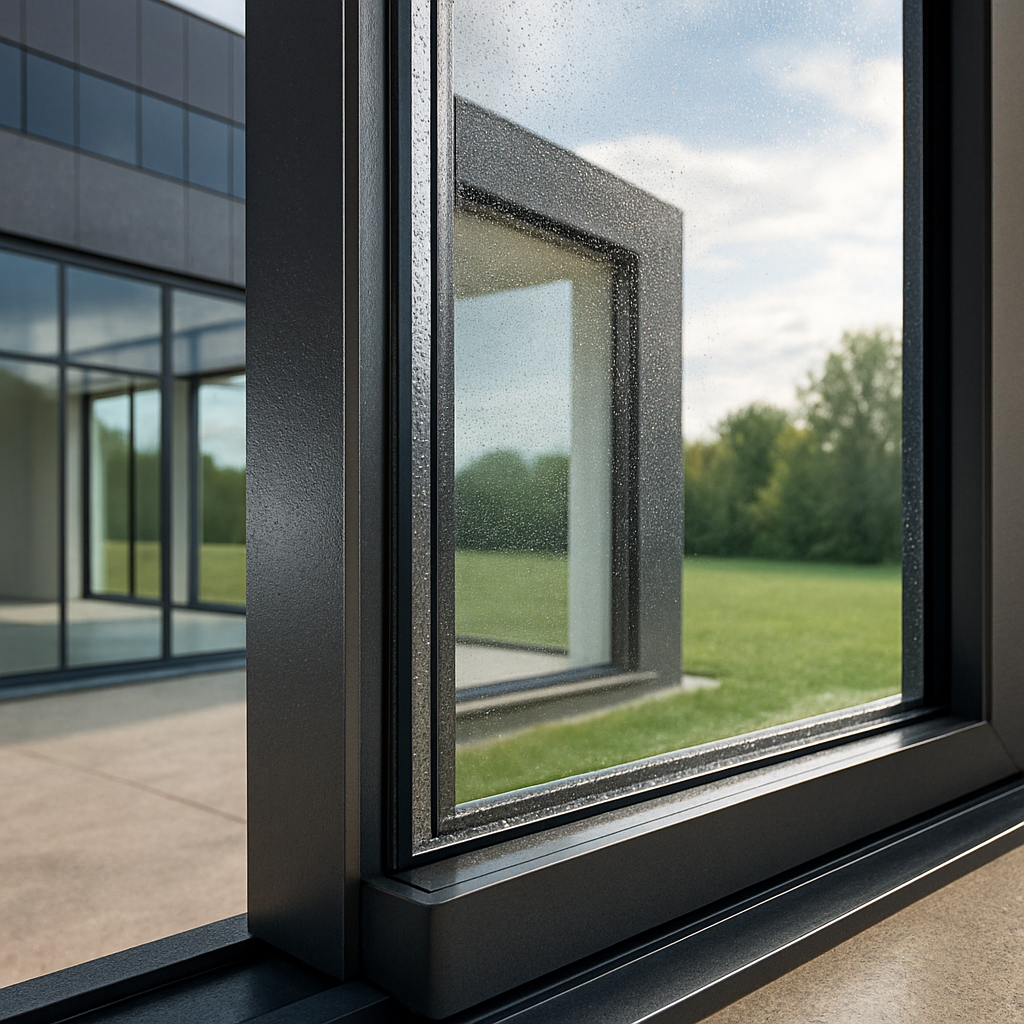
glass low e low e glass types low emissivity glass
Low E Glass Types Change Performance by Surface Location
In this article, we’ll unpack why low e glass types change performance by surface location,
Continue reading
glass low e low e glass types low emissivity glass
Which Low E Glass Types Provide Strong Spectral Selectivity?
This article explains what spectral selectivity is, why it matters, and which low e glass
Continue reading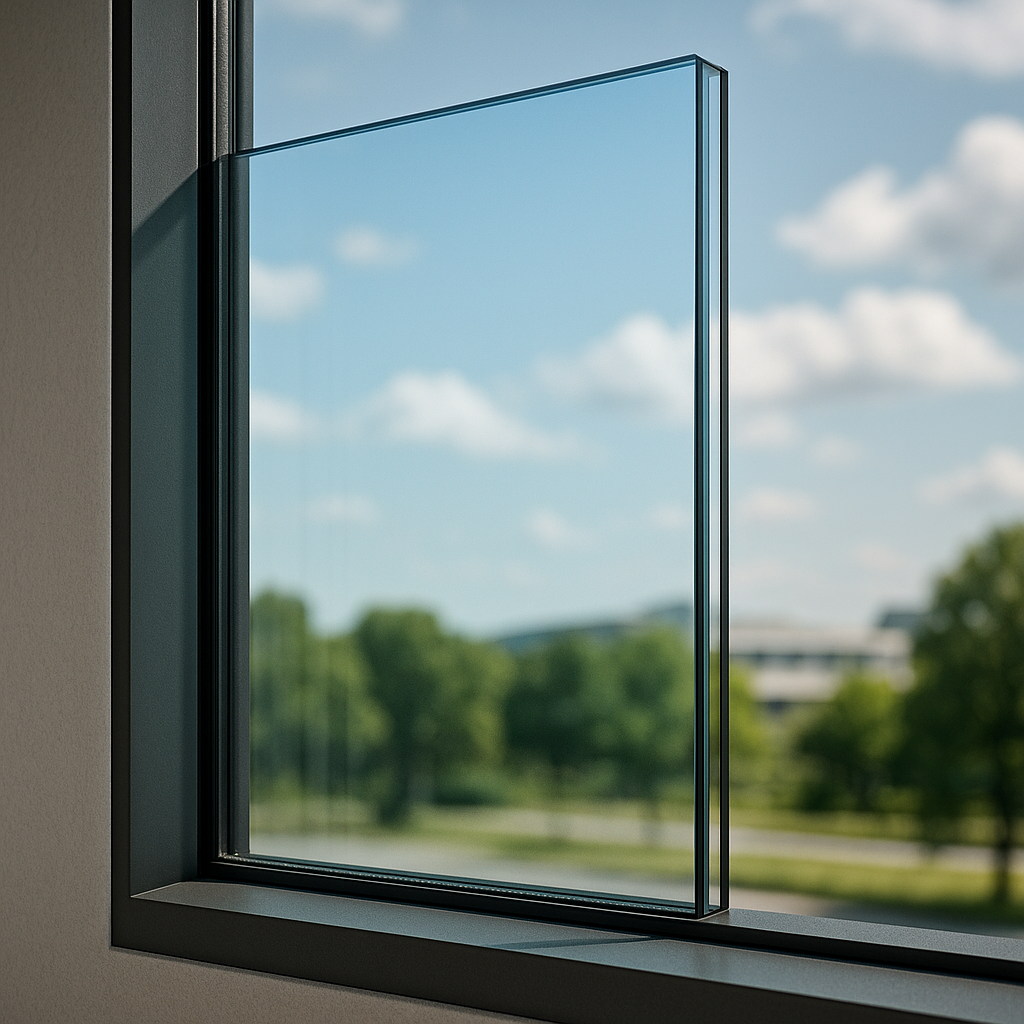
glass low e low e glass types low emissivity glass
Which Factors Make Low E Glass Types Perform Better?
we’ll break down which factors make low e glass types perform better in hot areas,
Continue reading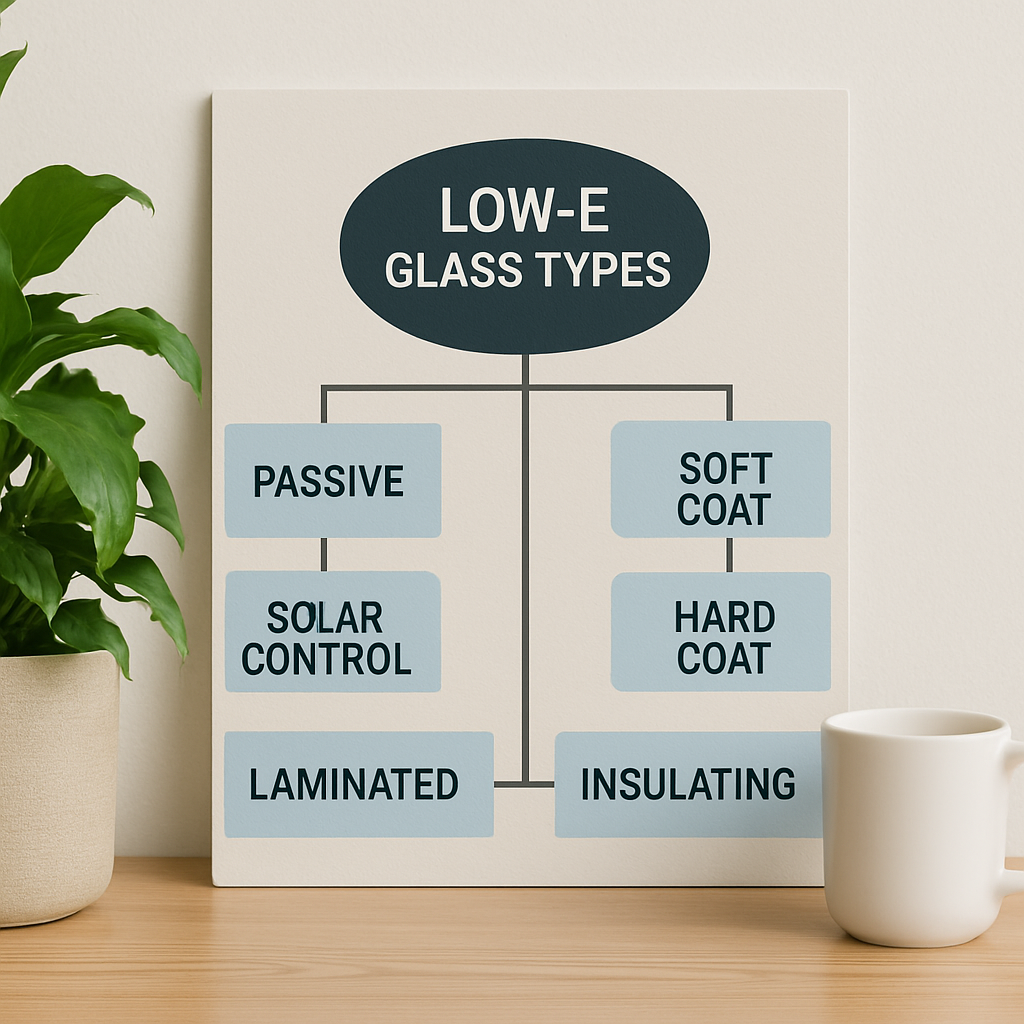
glass low e low e glass types low emissivity glass
What Help Low E Glass Types Achieve Higher Efficiency?
What really helps low emissivity glass types achieve higher thermal efficiency isn’t a single magic
Continue reading
glass low e low e glass types low emissivity glass
Which Low E Glass Types Work Best for High Solar Gain Homes?
This guide walks through which Low E glass types work best for high solar gain
Continue reading
Before the advent of flexible film and digital sensors, glass plate photography defined the gold standard for photographic clarity and permanence.
Glass, Glass Plate Negatives, Glass Plate Photography
Glass Plate Photography and Its Role in Float Glass

Before digital sensors and film revolutionized modern imaging, glass plate photography defined an era of precision and artistic expression.
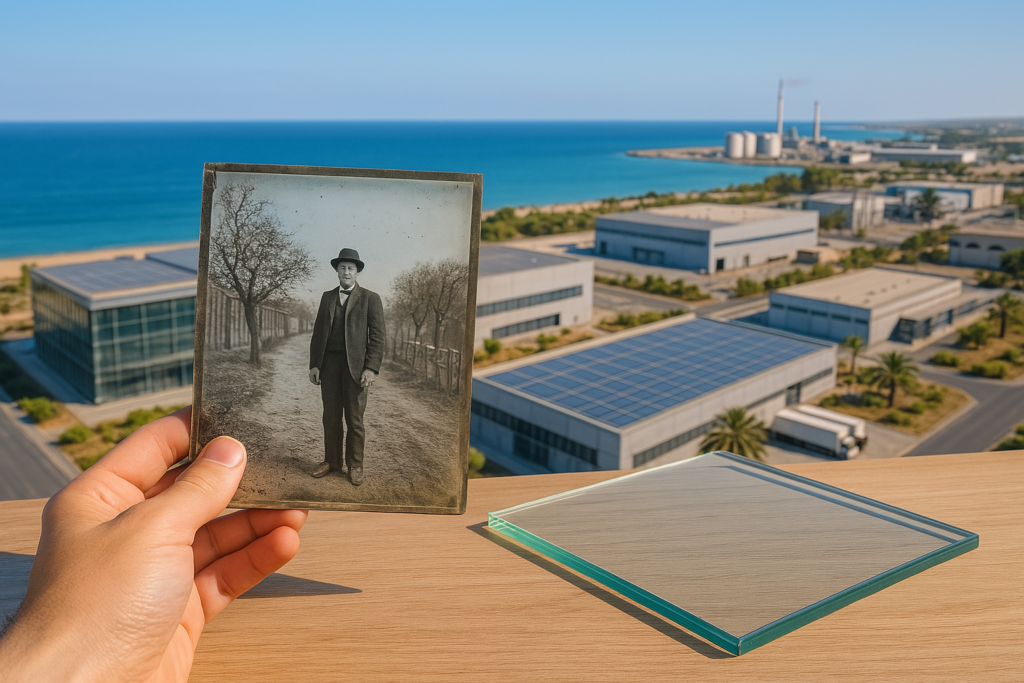
Long before digital photos and modern glass, glass plate negatives shaped early photography, documentation, and even early forms of scientific imaging.
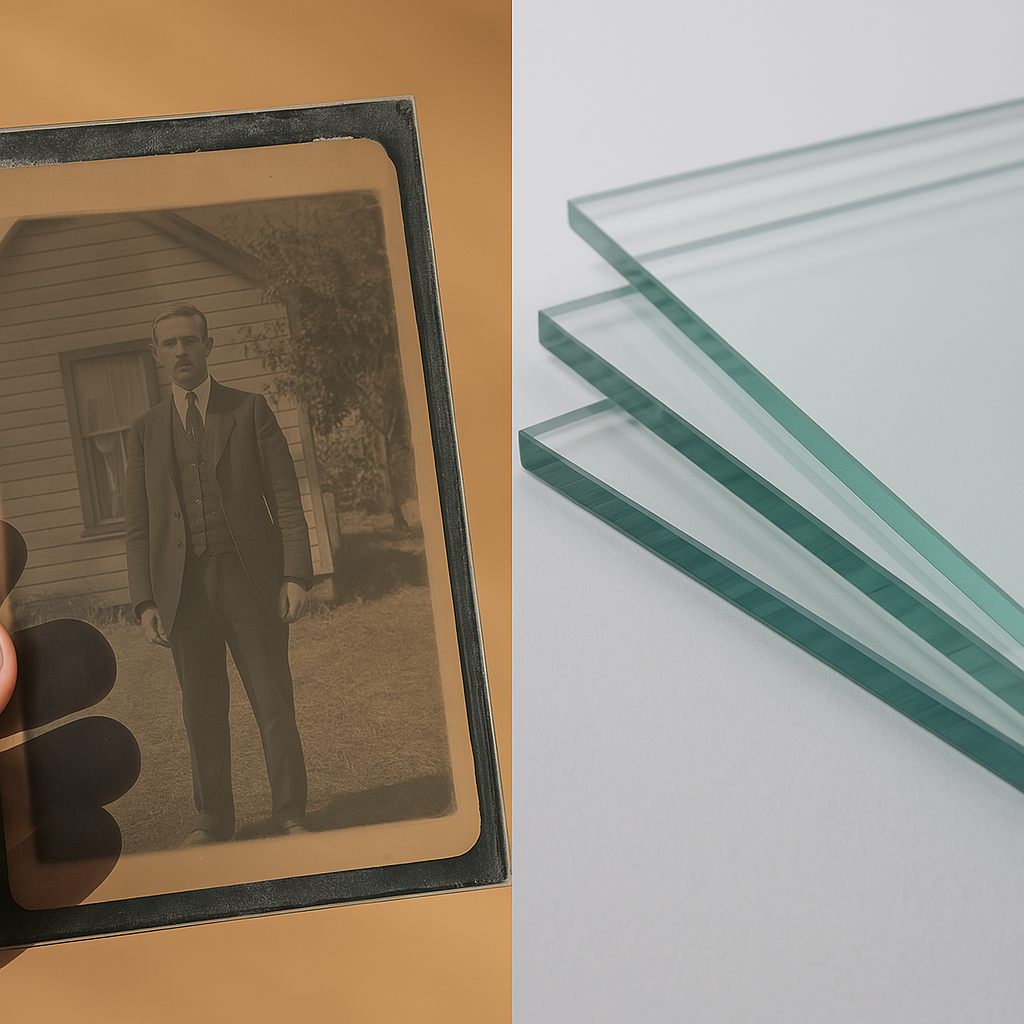
In this article, we explore how the journey from glass plate negatives to today’s sophisticated float glass has transformed the glass industry.
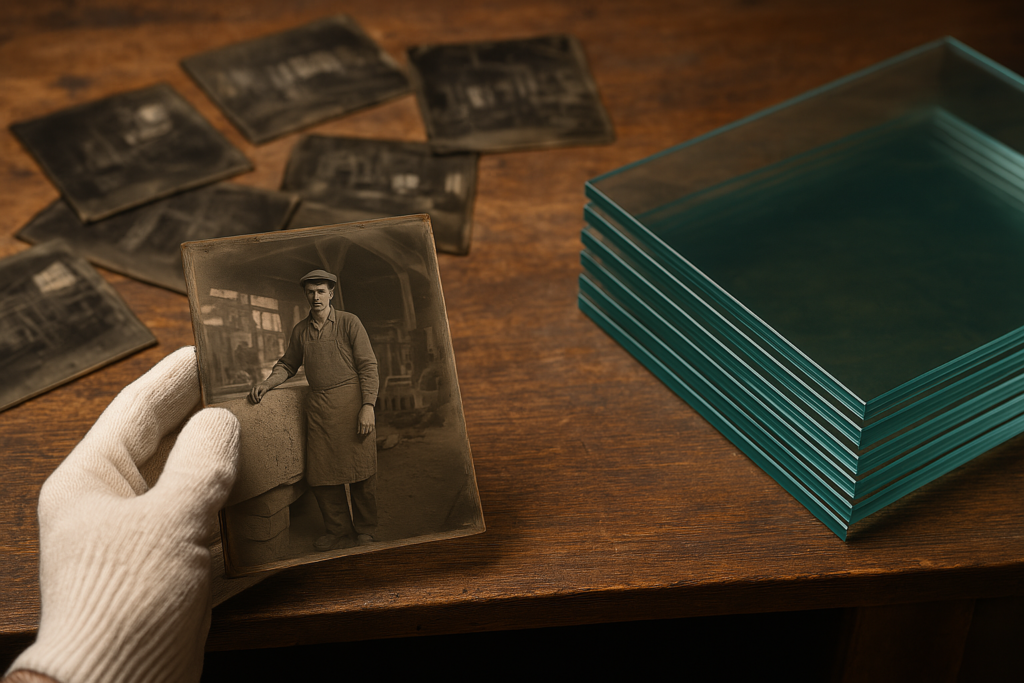
In this article, we explore the intriguing history, manufacturing processes, and contemporary applications of both glass plate negatives and float glass.
In this article, we’ll explore the dynamics, key manufacturers, market trends, and opportunities shaping the float glass industries within these regions.
This guide explores how float glass is made, its various applications, and the global markets and manufacturers driving this essential industry forward.
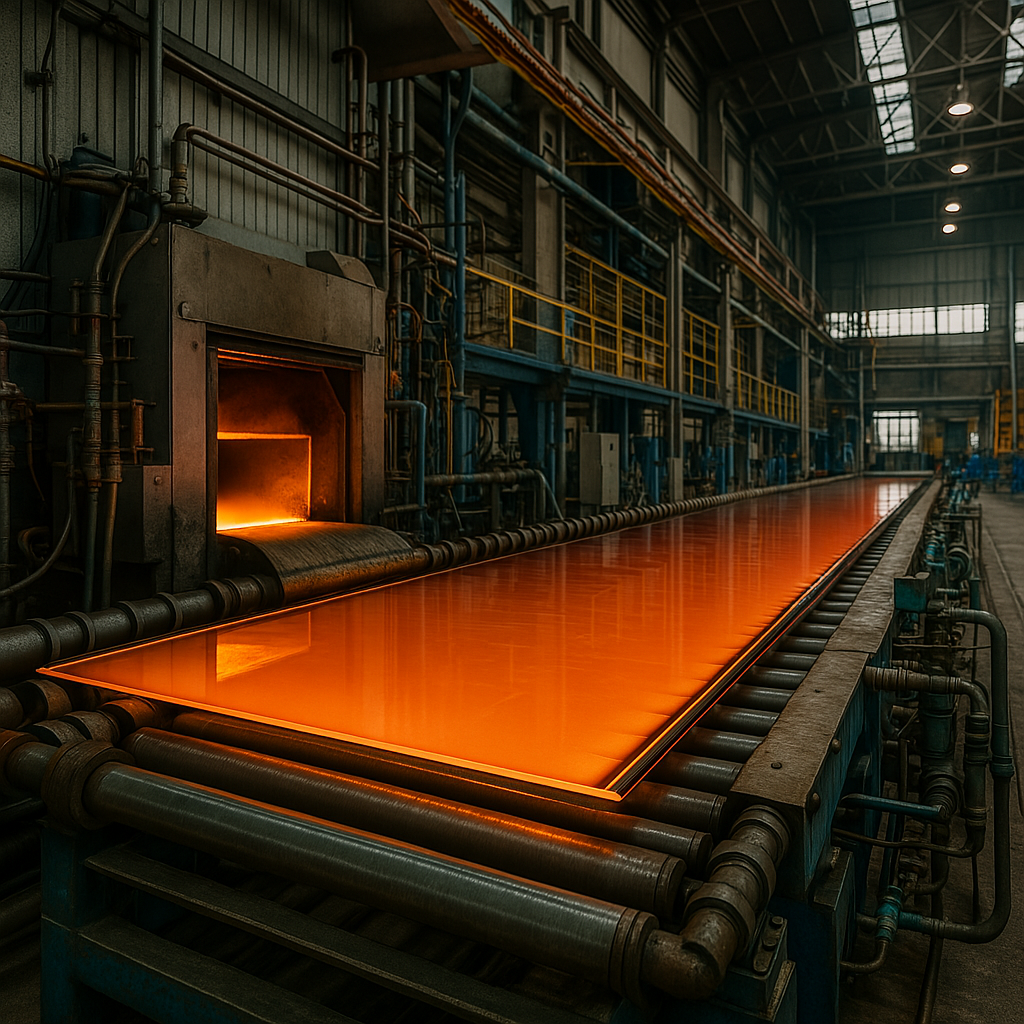
From windows and doors to mirrors and automotive glass, float glass provides a versatile, flat, and distortion-free material that serves multiple industries

In the world of modern architecture and interior design, glass installation is more than just a functional task—it’s a fine art.