

When properly installed, glass low e windows deliver the ideal balance of energy efficiency, comfort, and aesthetics—enhancing your space for decades.
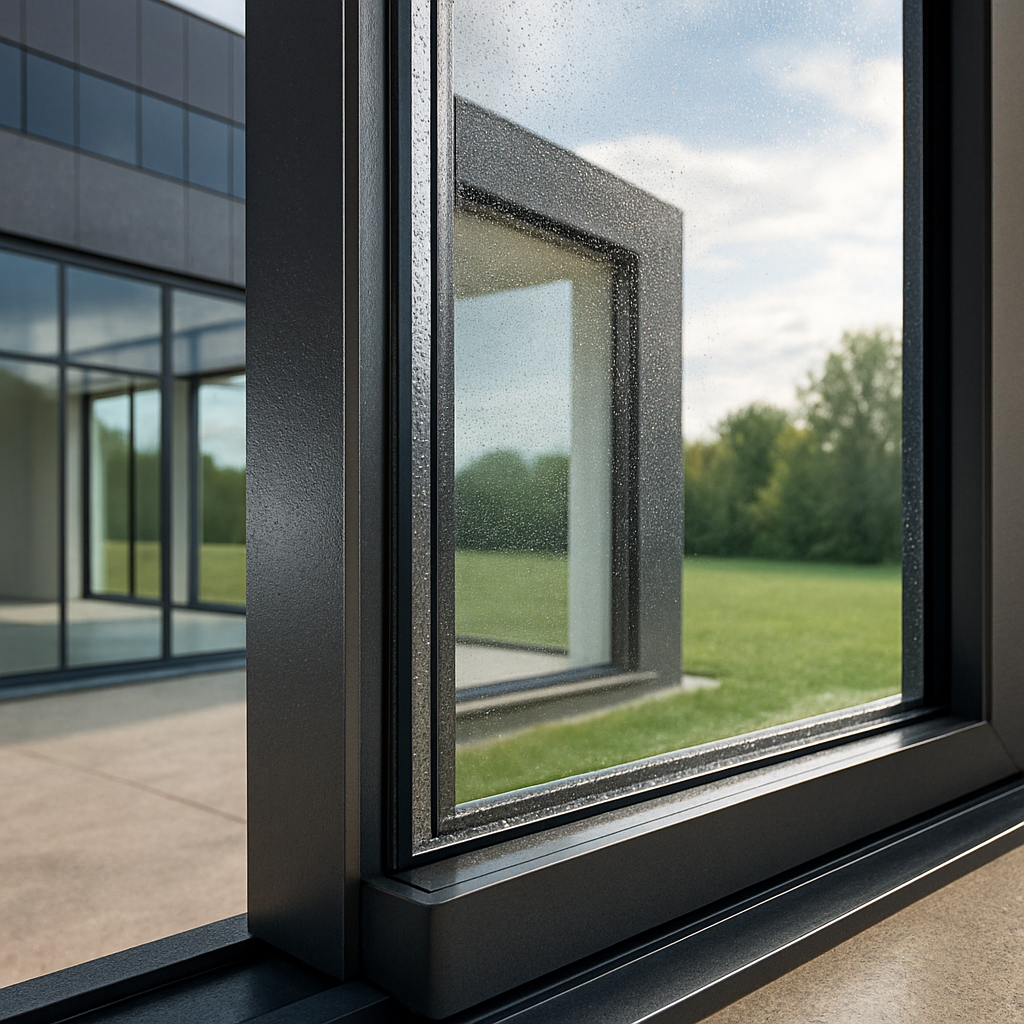
glass low e low e glass types low emissivity glass
Low E Glass Types Change Performance by Surface Location
In this article, we’ll unpack why low e glass types change performance by surface location,
Continue reading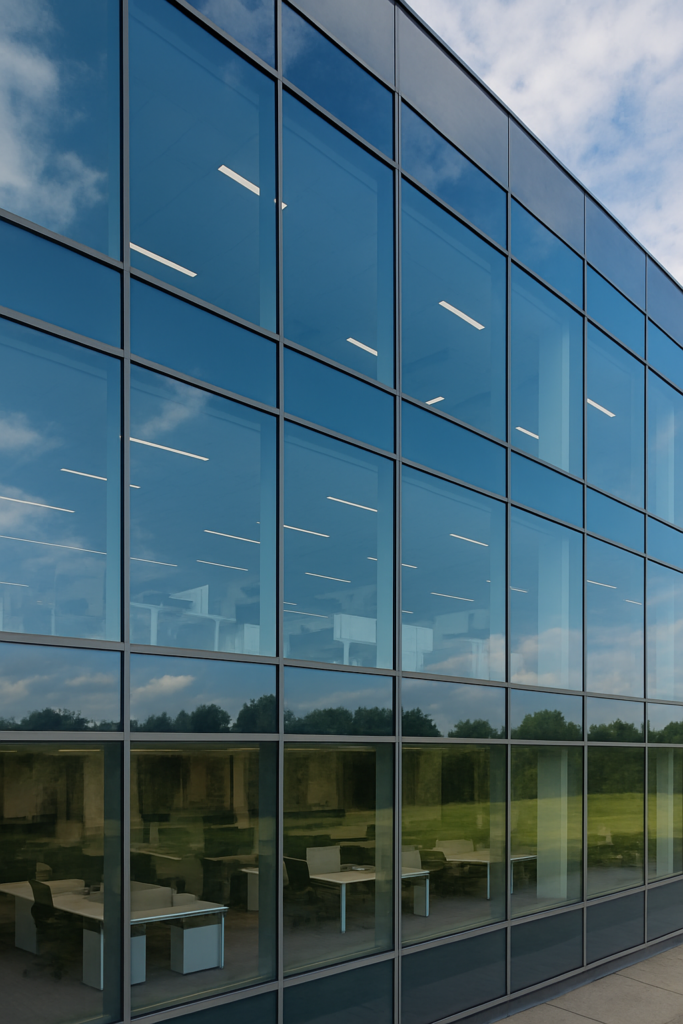
glass low e low e glass types low emissivity glass
Which Low E Glass Types Provide Strong Spectral Selectivity?
This article explains what spectral selectivity is, why it matters, and which low e glass
Continue reading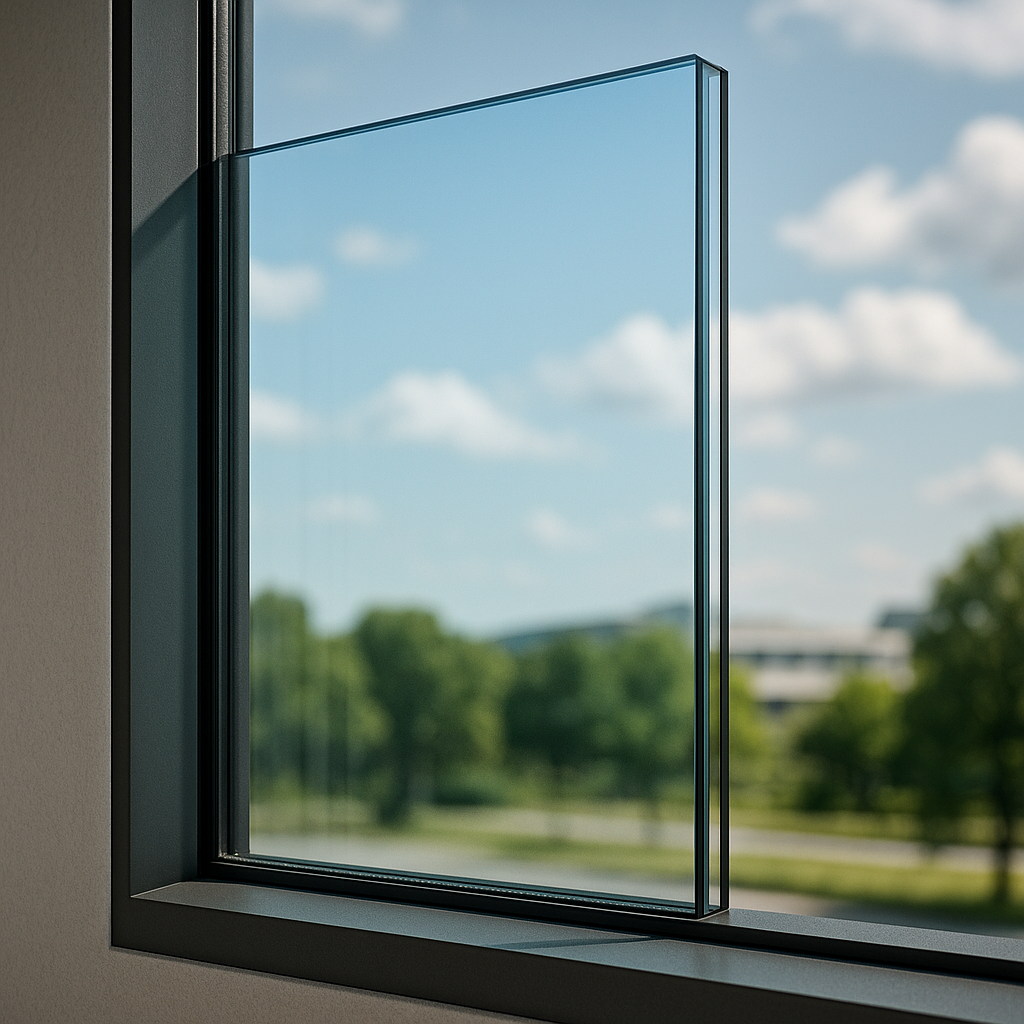
glass low e low e glass types low emissivity glass
Which Factors Make Low E Glass Types Perform Better?
we’ll break down which factors make low e glass types perform better in hot areas,
Continue reading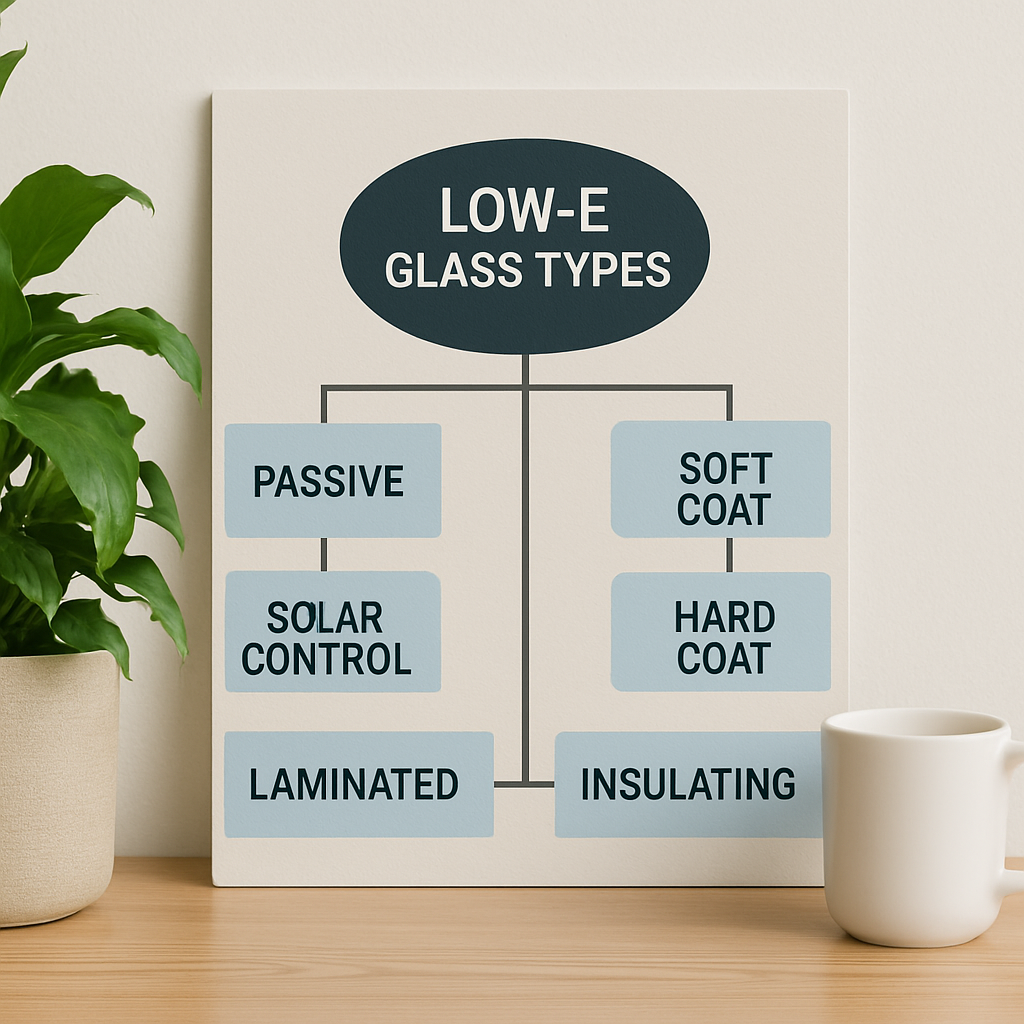
glass low e low e glass types low emissivity glass
What Help Low E Glass Types Achieve Higher Efficiency?
What really helps low emissivity glass types achieve higher thermal efficiency isn’t a single magic
Continue reading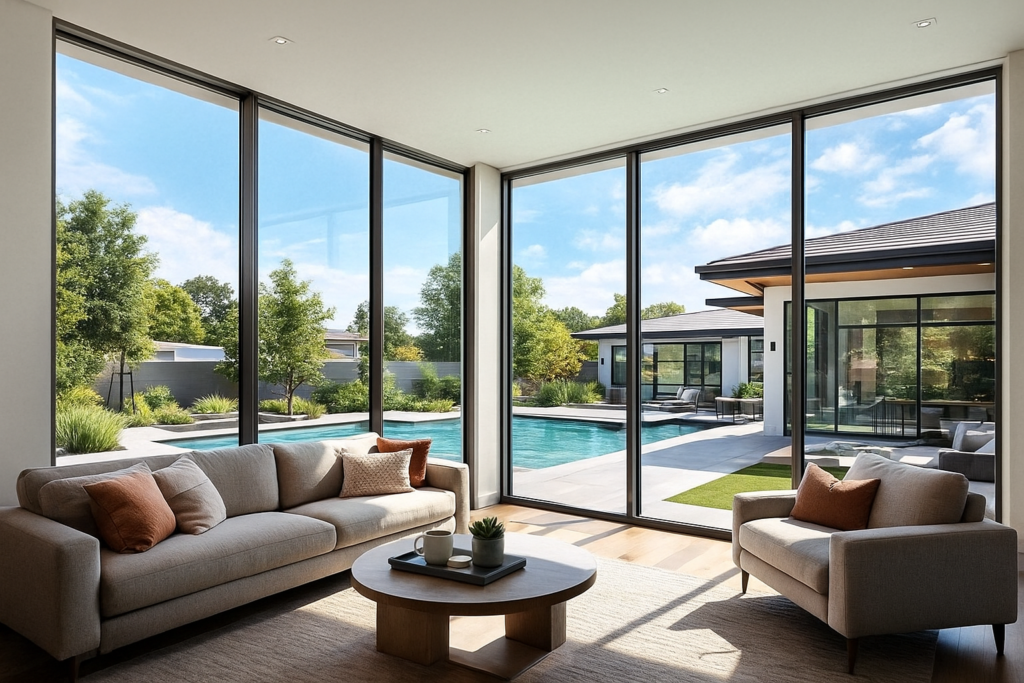
glass low e low e glass types low emissivity glass
Which Low E Glass Types Work Best for High Solar Gain Homes?
This guide walks through which Low E glass types work best for high solar gain
Continue reading
Glass low e stands for low-emissivity glass, which refers to glazing that features a microscopically thin metallic coating applied during manufacturing.
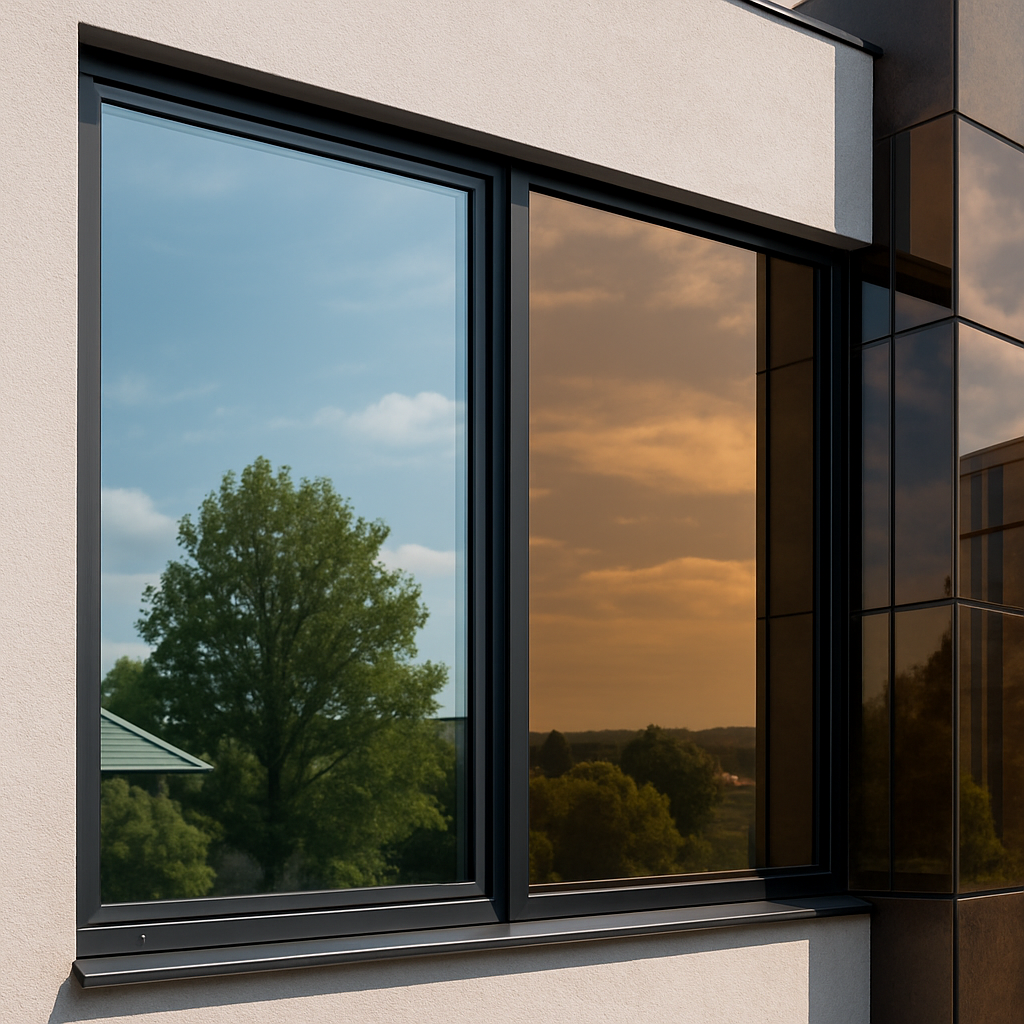
In simpler terms, glass low e acts as an intelligent filter — allowing natural daylight to enter your home while reflecting heat energy.
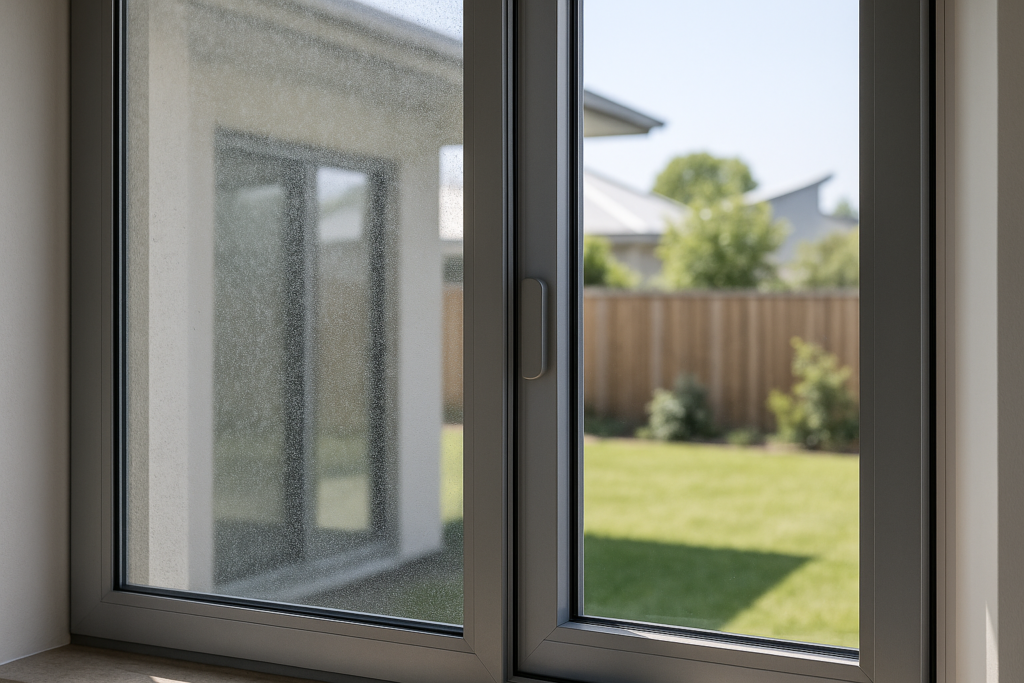
Glass low e, on the other hand, doesn’t inherently improve strength — its coating enhances performance, not the structural toughness of the pane.
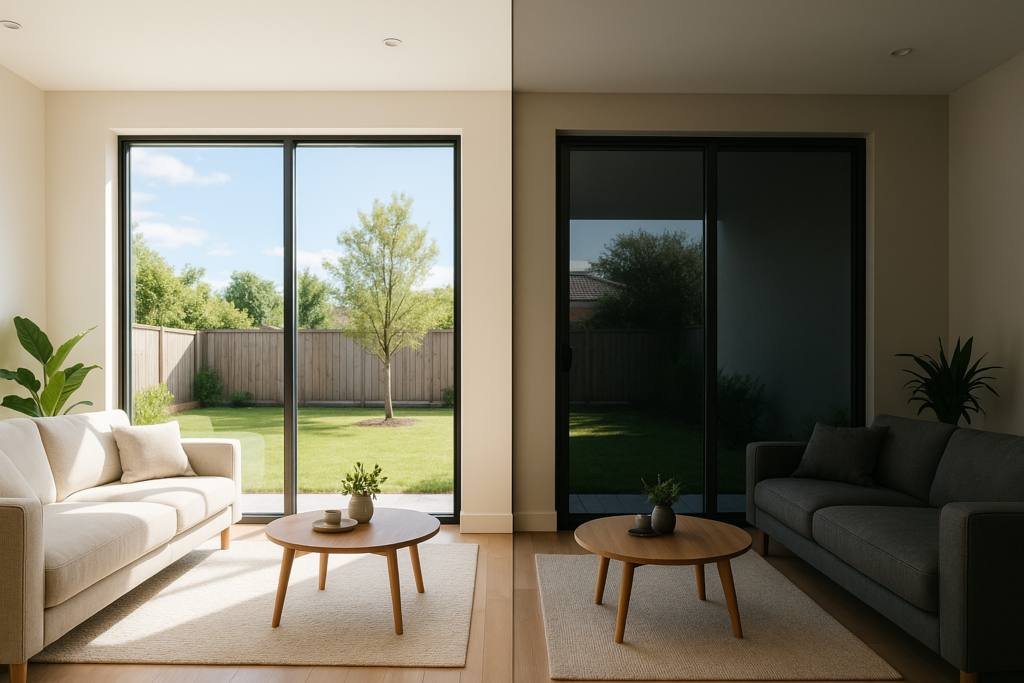
This article explores why glass low e outperforms tinted glazing, detailing its benefits, applications, and how it aligns with modern sustainability goals.
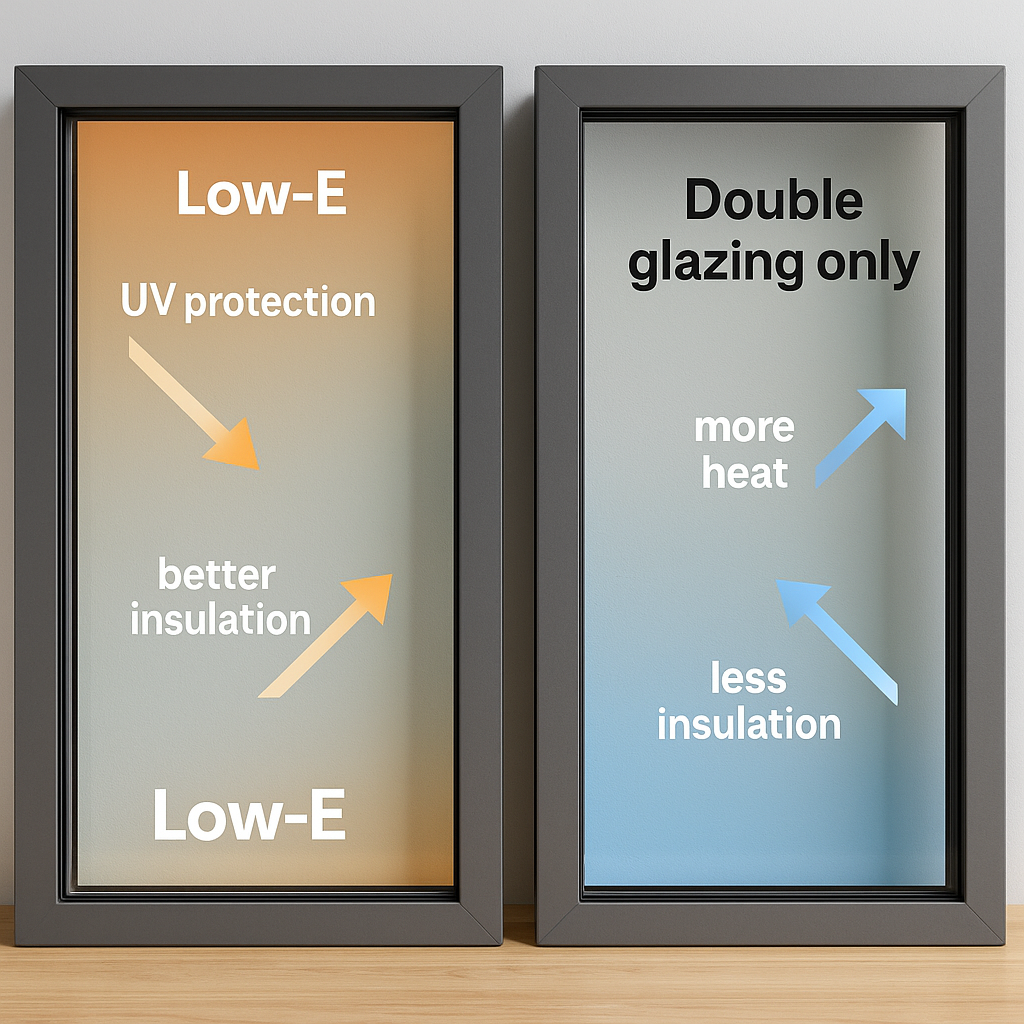
we will explore how glass low E compares to standard double glazing, the technical ratings that prove its efficiency, and the practical applications

we’ll break down the role of glass low E, the building physics behind Passive House requirements, and how low-E glazing integrates into designs
choosing glass low E is a direct path to meeting sustainability goals, lowering carbon footprints, and ensuring comfort for generations to come.
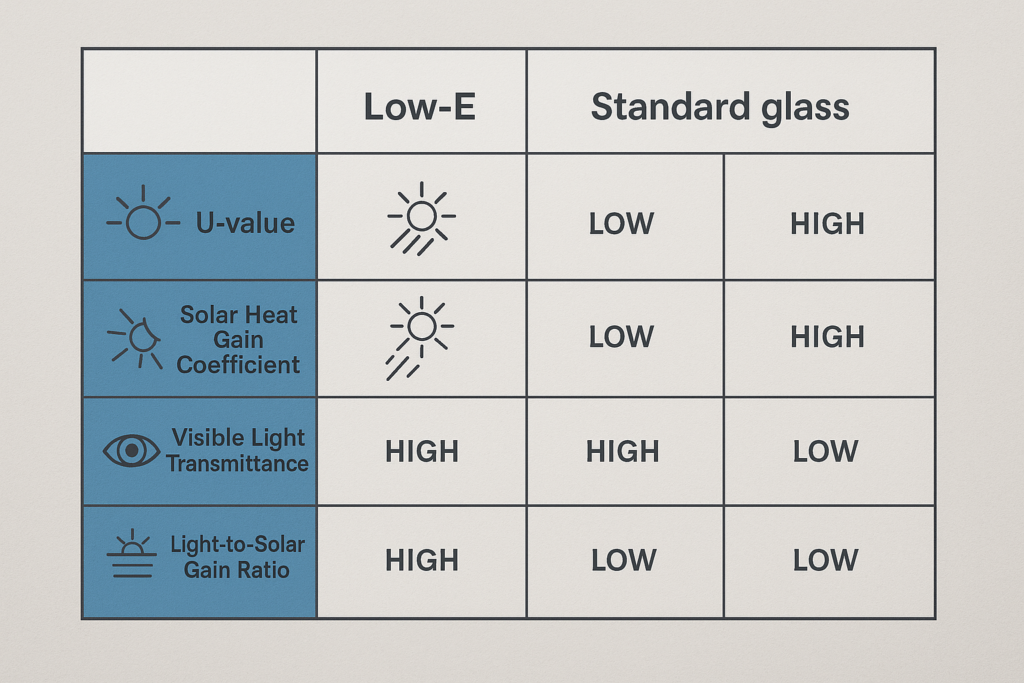
One of the best solutions is glass low E, which incorporates a thin metallic coating that reflects heat and filters harmful radiation
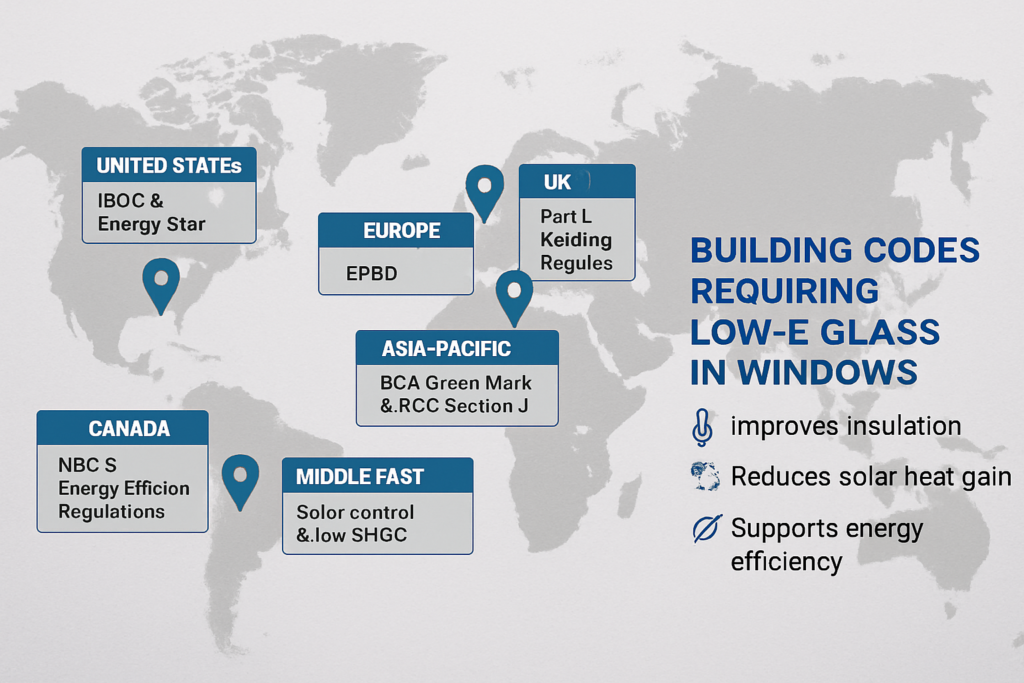
we’ll explore which building codes require glass low E in windows, why these codes exist, and how Low-E glazing impacts compliance, efficiency, and design.