
In the modern construction and architectural industry, sustainability is no longer just a trend—it is a necessity. As building codes and environmental standards evolve, materials like glass low E have become crucial in meeting energy efficiency and green building requirements. But for architects, builders, and homeowners, the big question remains: What certifications prove that glass low E is sustainable?
This article explores the certifications, performance ratings, and global sustainability standards that demonstrate the role of glass low E in energy-efficient and eco-conscious building design.
Understanding Glass Low E and Its Sustainability Impact
Glass low E (low-emissivity glass) is engineered with an ultra-thin metallic coating that reflects infrared and ultraviolet rays while letting visible light pass through. This innovation not only provides natural daylight indoors but also reduces heating and cooling demands.
Key Sustainability Benefits of Glass Low E:
- Energy efficiency: Cuts down reliance on artificial heating and cooling systems.
- Carbon footprint reduction: Helps lower greenhouse gas emissions associated with energy use.
- Durability: Advanced coatings extend the lifecycle of glass installations.
- Healthier interiors: Blocks up to 99% of UV rays, protecting furniture and occupants.
Because of these benefits, glass low E has become a vital material in achieving sustainability certifications and eco-friendly design goals.
Global Certifications That Prove Glass Low E Is Sustainable
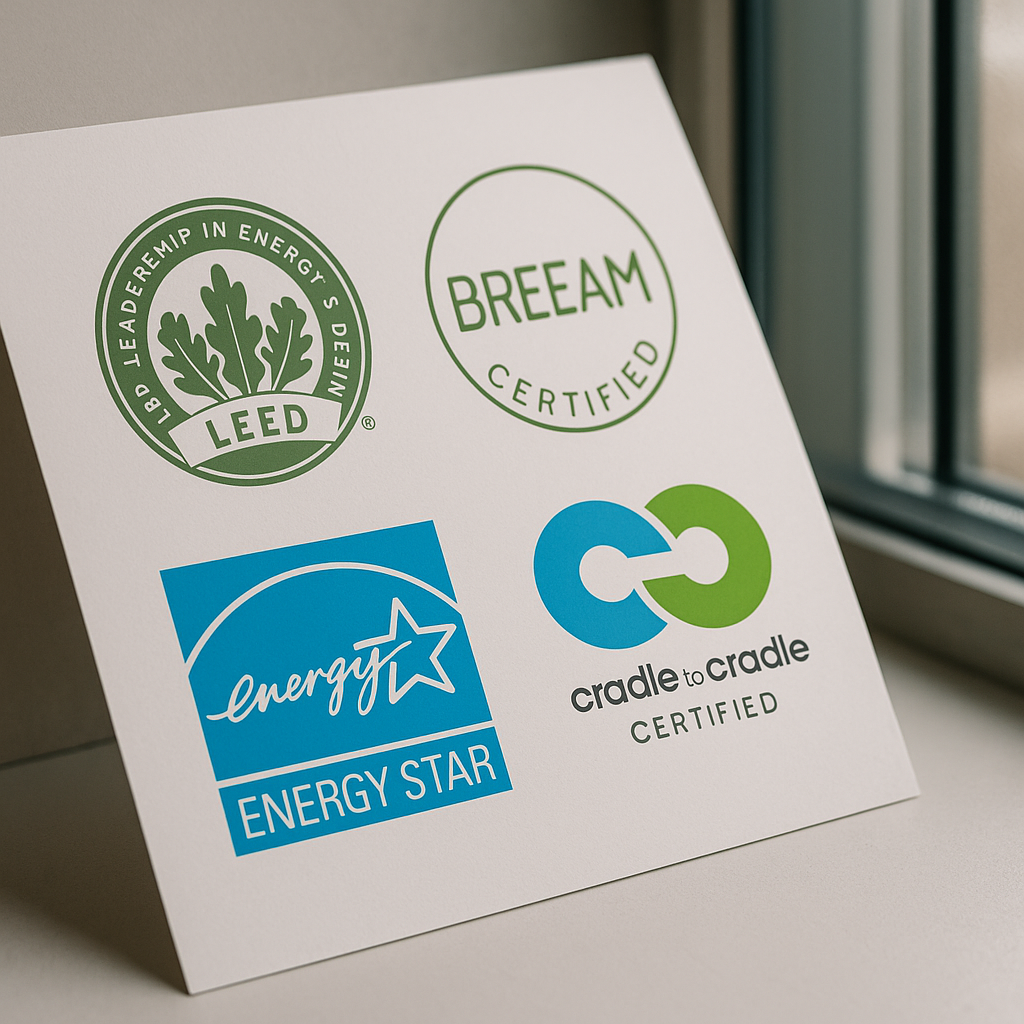
1. LEED Certification (Leadership in Energy and Environmental Design)
One of the world’s most recognized green building standards, LEED certification awards credits for energy efficiency and sustainable material selection.
- Glass low E contribution: By improving U-values and Solar Heat Gain Coefficient (SHGC), it helps projects earn points under the Energy and Atmosphere and Indoor Environmental Quality categories.
- Result: Projects with glass low E can achieve higher LEED ratings (Certified, Silver, Gold, or Platinum).
2. Energy Star Certification
In North America, Energy Star-certified windows and glazing systems guarantee superior energy performance.
- Glass low E role: Reduces energy transfer and improves thermal insulation, which directly impacts heating and cooling efficiency.
- Why it matters: Homeowners can benefit from lower utility bills and eligibility for government rebates.
3. BREEAM (Building Research Establishment Environmental Assessment Method)
As one of the UK’s most established environmental assessment methods, BREEAM rewards materials that improve building energy efficiency.
- Glass low E impact: Contributes to credits under Energy, Health and Wellbeing, and Sustainability of Materials.
- Example: Façades with glass low E allow natural daylighting while limiting solar gain, which aligns with BREEAM’s sustainability objectives.
4. Cradle to Cradle Certification
This certification assesses the environmental and health impact of materials across their entire lifecycle.
- Glass low E contribution: Many modern manufacturers offer Cradle to Cradle-certified low-E glass, which guarantees eco-friendly sourcing, recyclability, and safe coatings.
- Benefit: Ensures that the product supports a circular economy.
5. National and Regional Energy Codes
Countries worldwide have introduced stricter building codes requiring energy-efficient glazing:
- European Union: Complies with Energy Performance of Buildings Directive (EPBD).
- United States & Canada: Meets ASHRAE standards and National Building Codes.
- Asia-Pacific: Energy codes increasingly specify glass low E for curtain walls, skylights, and oversized glazing.
Learn more about this in What Building Codes Require Glass Low E in Windows?.
Performance Ratings That Support Sustainability
Beyond certifications, specific ratings define the performance and sustainability of glass low E.
Key Ratings:
- U-Value: Measures heat transfer; lower values indicate better insulation.
- SHGC (Solar Heat Gain Coefficient): Determines solar control; lower SHGC reduces overheating.
- Visible Light Transmittance (VLT): Ensures daylighting while minimizing artificial lighting needs.
- Emissivity: Lower values mean stronger reflective properties.
For a full breakdown, see Which Ratings Define Glass Low E Energy Efficiency?.
Applications That Highlight Sustainability
Residential Use
- Sliding doors and windows: Enhance indoor comfort while lowering bills. See When Is Glass Low E Preferred in Sliding Door Design?.
- Skylights: Improve natural daylighting while preventing overheating. Read Why Should Glass Low E Be Chosen for Skylight Use?.
Commercial Use
- Tall glass facades: Glass low E provides both transparency and thermal control. More details in What Makes Glass Low E Ideal for Tall Glass Facades?.
- Curtain walls: Maintain visual appeal while reducing HVAC loads.
Green Building Projects
- Oversized glass panels and curved glazing: Add unique architectural flair without compromising sustainability.
How Manufacturing Aligns with Certifications
The sustainability of glass low E is also reinforced by manufacturing innovations:
- Sputter-coated soft coat: Provides high performance and qualifies for certifications.
- Recyclable materials: Many producers design coatings for recyclability.
- Responsible production: Manufacturers focus on reduced emissions and energy use during production.
This alignment ensures that glass low E products can contribute toward multiple certification pathways.
The Role of Equipment in Glass Sustainability
Handling and installing glass low E panels for certified projects require precision and safety:
- Lifting equipment: Ensures safe installation of oversized or heavy panels.
- Vacuum Lifter: Used in large-scale projects to maneuver curtain wall panels and façades efficiently.
These tools help avoid waste, damage, and accidents—further contributing to sustainable practices.
Environmental and Architectural Synergy
Sustainability isn’t only about performance—it’s also about integrating architecture with the environment. Glass low E enables:
- Natural lighting strategies that reduce artificial light dependency.
- Thermal balance in hot and cold climates alike.
- Design flexibility, which supports innovative and eco-conscious architectural concepts.
For inspiration, explore Define Landscape Concepts in Modern Architecture.
Conclusion
Glass low E is not only a technological innovation—it’s also a sustainability enabler. Certifications like LEED, BREEAM, Energy Star, and Cradle to Cradle validate its role in reducing environmental impact, while energy codes around the world reinforce its necessity in modern construction.
Combined with strong performance ratings such as U-value, SHGC, and emissivity, glass low E provides clear proof of its energy-saving and eco-friendly benefits.
Whether for homes, tall facades, or green-certified commercial projects, choosing glass low E is a direct path to meeting sustainability goals, lowering carbon footprints, and ensuring comfort for generations to come.