
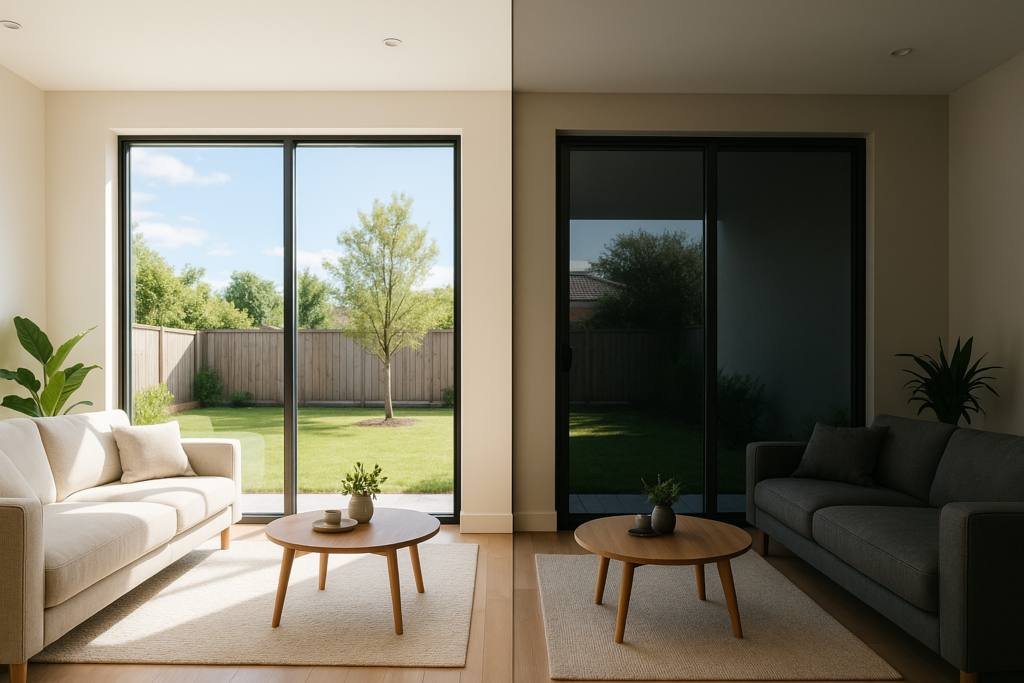
In modern architecture and residential design, the choice of glass significantly impacts not only aesthetics but also comfort, energy performance, and sustainability. Homeowners and architects often compare glass low e with traditional tinted glazing, both designed to reduce solar heat gain and improve comfort. However, while tinted glazing was once a go-to solution, the advancement of glass low e (low-emissivity glass) has made it the superior choice for energy efficiency, versatility, and overall performance.
This article explores why glass low e outperforms tinted glazing, detailing its benefits, applications, and how it aligns with modern sustainability goals.
Understanding Glass Low E
Glass low e is engineered with a microscopically thin, transparent metallic coating that selectively filters light and heat. The coating reflects infrared energy (heat) while allowing visible natural light to pass through. This makes it ideal for maintaining comfort indoors without sacrificing daylight.
- Winter performance: Reflects heat back inside, reducing heat loss.
- Summer performance: Reflects solar radiation away, reducing unwanted heat gain.
- UV protection: Blocks harmful UV rays that cause fading of furniture and flooring.
Compared to tinted glazing, which relies on a darker appearance to block sunlight, glass low e delivers more targeted, energy-efficient results without compromising brightness.
What Is Tinted Glazing?
Tinted glazing involves coloring the glass during manufacturing by adding metal oxides. While this reduces glare and blocks a portion of solar radiation, it has limitations:
- Reduced daylight: Tints significantly darken rooms.
- Limited insulation: Tinted glass does not provide meaningful thermal insulation.
- Aesthetic constraint: The permanent color tone can clash with architectural designs.
Tinted glazing works as a basic solution for glare control but cannot match the dynamic performance of glass low e in modern, energy-conscious buildings.
Why Glass Low E Is Superior to Tinted Glazing
1. Better Energy Efficiency
The main advantage of glass low e lies in its thermal performance. Unlike tinted glass, which simply absorbs solar heat, low-E coatings actively reflect infrared radiation. This means:
- Lower U-values for insulation.
- Reduced Solar Heat Gain Coefficient (SHGC) for summer comfort.
- Year-round energy savings for heating and cooling.
This difference makes glass low e a critical material in sustainable building practices, where meeting energy standards is essential.
2. Natural Light Without Dark Interiors
Tinted glass can block significant levels of visible light, creating dim interiors that require more artificial lighting. By contrast, glass low e maintains high Visible Light Transmittance (VLT), allowing natural daylight to flood spaces. This reduces reliance on artificial lighting, further improving energy savings.
Bright, naturally lit interiors also enhance mood, productivity, and overall occupant well-being.
3. Advanced UV Protection
While tinted glass can reduce UV penetration somewhat, glass low e offers far superior UV protection—blocking up to 99% of harmful rays. This preserves interior furnishings, flooring, and artwork from fading, which tinted glass cannot fully achieve.
4. Versatility in Design
Architects appreciate the flexibility of glass low e, which can be neutral in appearance or come with subtle tints and reflective finishes. Unlike tinted glazing, which imposes a permanent color tone, low-E coatings adapt to different design requirements without limiting transparency or aesthetics.
5. Sustainability and Building Standards
Sustainable building certifications such as LEED and BREEAM often reward the use of glass low e due to its superior thermal performance and ability to cut carbon emissions. Tinted glass, by comparison, has limited impact on sustainability metrics.
Learn more about What Certifications Prove Glass Low E Is Sustainable?.
Technical Ratings That Prove Glass Low E’s Superiority
When comparing glass low e with tinted glazing, performance metrics highlight its advantages:
- U-Value (Insulation): Glass low e achieves much lower U-values than tinted glass, meaning better insulation.
- SHGC (Solar Heat Gain Coefficient): Glass low e blocks heat while allowing daylight, whereas tinted glass reduces both.
- LSG (Light-to-Solar Gain Ratio): Higher for low-E, proving it lets in more light per unit of solar heat gain.
For deeper insights, see Which Ratings Define Glass Low E Energy Efficiency?.
Combining Low-E With Double Glazing
While tinted glass cannot be meaningfully enhanced, glass low e can be paired with double glazing or even triple glazing for Passive House-level performance. Adding argon-filled gaps and laminated layers further boosts insulation and acoustics.
In fact, Why Is Glass Low E Better Than Double Glazing Only?.
Applications of Glass Low E
- Residential Homes – Windows, sliding doors, and skylights where energy efficiency is a priority.
- Commercial Buildings – Facades and curtain walls where maintaining natural light and thermal comfort is critical.
- Passive Houses – Meeting high-performance building goals where tinted glass falls short. See When Is Glass Low E Needed for Passive House Goals?.
- Skylights & Roof Glazing – Provides solar control without darkening interiors.
Practical Considerations
Installation and Handling
High-quality construction projects often use specialized lifting equipment for installing large panes of glass low e, ensuring safety and precision.
Stone and Block Integration
For buildings that combine glass facades with stonework, efficient block lifting and handling methods streamline the installation process.
The Aesthetic Dimension
Unlike tinted glass, which alters building aesthetics with a permanent hue, glass low e gives architects freedom to experiment. Its neutral tones allow integration with modern design concepts. In fact, it complements landscape design principles beautifully, as explained in Define Landscape Concepts in Modern Architecture.
Conclusion
When comparing glass low e vs tinted glazing, the verdict is clear: glass low e is the superior choice. It delivers advanced energy performance, maintains natural light, blocks harmful UV rays, and aligns with sustainability goals. Tinted glazing may still serve as a basic glare control solution, but it cannot compete with the versatility, efficiency, and future-readiness of glass low e.
For modern homeowners, architects, and builders, investing in glass low e is a step toward enhanced comfort, energy savings, and sustainable design.