
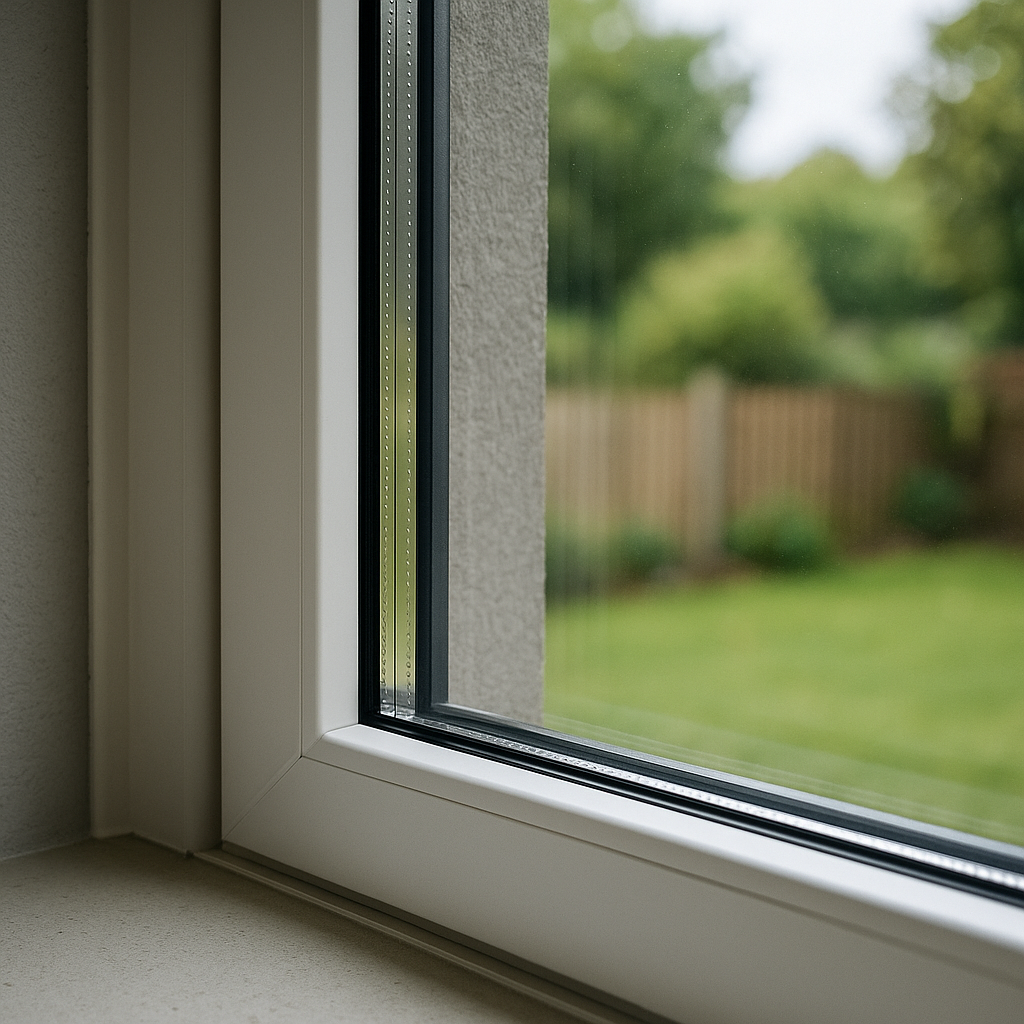
Low-E glass gets most of the spotlight in energy-efficient design. But here’s the quiet truth: many low e glass benefits only show up fully when the frames and installation are done right.
You can specify the best glass on the market, and still end up with cold rooms, condensation, or higher-than-expected energy bills if the frame system leaks air, bridges heat, or isn’t aligned correctly.
This article explains where and how low e glass benefits improve when frames are properly installed, and what architects, contractors, and homeowners should focus on to unlock the full performance of their glazing package.
Quick refresher: what are the core low e glass benefits?
Low-emissivity glass uses a microscopically thin metallic coating (often silver-based) to control heat transfer through the glazing. When specified and installed correctly, the main low e glass benefits include:
- Lower heating and cooling loads – by reflecting long-wave infrared heat back to its source, low-E glass reduces winter heat loss and summer heat gain.
- More stable indoor temperatures – warmer interior glass surfaces in winter, cooler in summer, fewer “hot” or “cold” zones near windows.
- UV and fade protection – coatings can block the majority of harmful UV rays that discolour flooring, fabrics, and artwork.
- Reduced condensation risk – warmer inner glass surfaces reduce the likelihood of surface condensation in cold weather.
- Improved acoustic and comfort perception – especially in insulated glass units combined with the right frame system.
All of those sound great—but they’re based on lab-tested units with ideal frame, spacer, and installation conditions. On a real job site, that’s where frame quality becomes critical.
Why frames make or break real-world performance
A window or curtain wall is a system: glass + frame + seals + surrounding wall. If the frame or installation is weak, the system behaves more like a thermal sieve than a high-performance element.
Here’s why frame quality matters so much for low-E glazing:
- Frames are often the weakest thermal link
Even with high-performance glass, a poorly insulated aluminium frame or a frame without thermal breaks can drag down the overall U-value of the opening. - Air leaks bypass the benefits of the coating
Low-E controls radiant and conductive heat through the glass. But if air rushes around the frame, the building still loses or gains heat quickly. - Bad frame installation causes stress and damage
Twisted or over-packed frames can distort the IGU, stress seals, and shorten the life of the low-E unit. - Moisture management starts at the frame
If drainage and sealing are wrong, water can attack edge seals and coatings, undermining clarity and thermal performance.
So the real question is not just what low e glass benefits exist, but where they improve when the frame and installation are done to a high standard.
1. Where energy efficiency improves with well-installed frames
Continuous insulation around the opening
A correctly installed frame is:
- Sized to the opening with correct tolerances
- Shimmed and packed without distorting the frame
- Integrated into the wall’s air and thermal control layers
When that happens, you get:
- Lower whole-window U-value (not just centre-of-glass)
- Fewer cold spots where frame meets wall
- Better alignment between the performance you model and the actual result on-site
This is where the low e glass benefits and frame benefits overlap. The coating cuts radiant loss; the frame and its seals block convective and conductive losses.
For more on how glazing decisions influence whole-building design thinking, see Why Low E Glass Benefits Influence Architectural Models.
Airtightness and controlled ventilation
A well-installed frame improves:
- Airtightness – flexible gaskets, well-compressed seals, and proper foams or tapes reduce uncontrolled infiltration.
- HVAC efficiency – systems can be sized and tuned for predictable loads, not for leaks.
Without airtight frames, the low-E coating is fighting a losing battle: air leakage dominates, and occupants blame the glass when the real issue is the frame.
2. Where indoor comfort benefits get a boost
More even surface temperatures
Low-E glass warms the inner pane in winter. But if the frame is a cold, unbroken aluminium extrusion, people will still feel:
- Radiant chill near mullions and sills
- Cold downdrafts as air cools along the frame and drops into the room
With thermally broken frames (and good installation):
- Inner frame surfaces are closer to room temperature
- Comfort improves even with the same thermostat setpoint
- Occupants perceive the window wall as part of the conditioned envelope, not a cold boundary
This is one of the key low e glass benefits that gets undermined when installation is poor—exactly what’s explored in Which Low E Glass Benefits Fail When Installation Is Poor?.
Less cold-draft sensation
Air leakage around a badly installed frame creates local micro-currents that feel like drafts even if the overall room temperature is “correct.”
Tight, well-gasketed frames:
- Reduce air movement across skin
- Make perimeter zones usable for desks, seating, and beds
- Allow designers to place people closer to the facade without comfort complaints
3. Where condensation resistance improves
One of the underrated low e glass benefits is its help in reducing interior condensation. But if the frame is poorly detailed, condensation simply migrates to a different weak point.
With well-installed, thermally broken frames you gain:
- Higher interior surface temperatures at jambs, heads, and sills
- Reduced risk of condensation on frame corners and glazing beads
- Lower risk of mould growth and staining on adjacent finishes
Key frame details that support this:
- Correct placement of the low-E surface (usually on surface #2 or #3 inside the unit)
- Continuous gaskets with clean mitred corners
- Warm edge spacers aligned correctly to reduce local cold bridges
This is exactly why installation method is now considered part of the performance spec, not just “builder’s choice”—a topic explored further in Why Low E Glass Benefits Depend on Correct Installation.
4. Where visual quality and daylight benefits improve
Architects often specify low-E glass to:
- Maintain high visible light transmittance (VT)
- Control solar gain without darkening interiors
- Deliver clear, neutral colour rendering
A sloppy frame or IGU fitment can sabotage those goals:
- Distorted frames can bow the glass, creating wavy reflections.
- Poor drainage or sealant detailing can cause edge staining or hazy patches over time.
- Peeling or bubbling films (on retrofit projects) can destroy clarity.
Where frames and installation are done well, low e glass benefits for daylight really shine:
- Clean, continuous sightlines without kinks at mullions
- Even reflections, helping facades look premium instead of “rippling”
- Long-term clarity because moisture is kept away from seals and coatings
Those daylight and glare-control benefits tie into broader facade strategies such as shading, orientation, and glass selection—topics anchored by resources like What Low E Glass Benefits Should Architects Prioritize Most?.
5. Where acoustic and privacy performance is better
Low-E by itself is not an acoustic layer, but:
- Double or triple glazing
- Laminated layers
- Correct frame gaskets and compression
…all work in concert to cut exterior noise.
When frames are installed well:
- Gaps around the frame are sealed with appropriate backer rod and sealant, not just cosmetic caulk.
- Gaskets are continuous around corners, without unsealed joints that leak sound.
- Sash and frame are aligned so the lock hardware actually pulls the sash tight.
The result: a noticeable reduction in traffic noise, neighbour sounds, or wind whistling — a comfort benefit occupants often attribute generally to “good windows,” but that actually comes from glass and frame working together.
6. Frame and facade detailing: where the biggest improvements happen
If you want to ensure low-E delivers everything promised in the brochure, focus on these high-impact frame details:
Correct frame selection
- Choose thermally broken aluminium, high-performance timber, or composite frames with low U-values.
- Match frame performance to the glass so you don’t have “super glass in a mediocre frame.”
Proper integration with wall systems
- Align frame position with insulation plane (often slightly inset, not flush with exterior cladding).
- Connect air barrier membranes to the frame perimeter with compatible tapes or liquid flashings.
- Provide drained and ventilated cavities where needed so water doesn’t sit against the frame.
Accurate sizing and tolerance management
- Specify tolerance clearly: too tight, and the installer warps the frame; too loose, and they over-pack with foam.
- Use approved shims and packers at load points to avoid point loading the IGU.
Drainage & weep design
- Ensure sills have sloped profiles and clear drainage paths.
- Confirm weep holes are correctly located and not blocked by sealants or trims.
When these elements are coordinated, you’re not just getting “better glass” — you’re unlocking the full low e glass benefits at system level.
7. Frames, facades and the wider design context
The way frames are installed doesn’t exist in isolation. It interacts with:
- Facade geometry and shading
- Site microclimate and wind exposure
- Landscape design (trees, green buffers, shading structures)
Well-planned landscapes can reduce solar load and glare on glass, complementing low-E performance. For broader context on how exterior environment and built form work together, it’s worth stepping back and looking at site-scale design thinking such as the concepts in Define Landscape Architecture for Modern Design Work.
Practical checklist: where to focus to improve low e glass benefits
If you’re an architect, specifier, or client, here’s a concise checklist to keep low-E performing as intended:
- Specify frame U-values, not just glass U-values.
- Require thermally broken frames for any serious energy-efficient project.
- Detail the air and water barrier connections at frame perimeters.
- Call for qualified installers with experience in high-performance glazing.
- Include site inspections for:
- Frame plumb / level before glazing
- Correct packers and shims
- Uninterrupted gaskets and seals
- For retrofit film projects, ensure:
- Glass and existing coatings are compatible
- Films are applied with the correct tools, temperatures, and edge sealing
- Plan for maintenance access so cleaning doesn’t damage coatings or films.
Conclusion: low-E glass is only as good as its frame and installation
Low-E coatings are one of the most powerful tools we have for energy-efficient facades and windows. But the real-world low e glass benefits—lower bills, better comfort, less condensation, better daylight, higher property value—only show up fully when the frame system is chosen and installed with equal care.
- Good glass + poor frame = disappointed clients.
- Good glass + good frame + good installation = the performance the energy model promised.
By paying attention to frame selection, perimeter detailing, airtightness, drainage, and compatible films, designers and installers can ensure every pane of low-E glass performs like the high-tech component it truly is.