
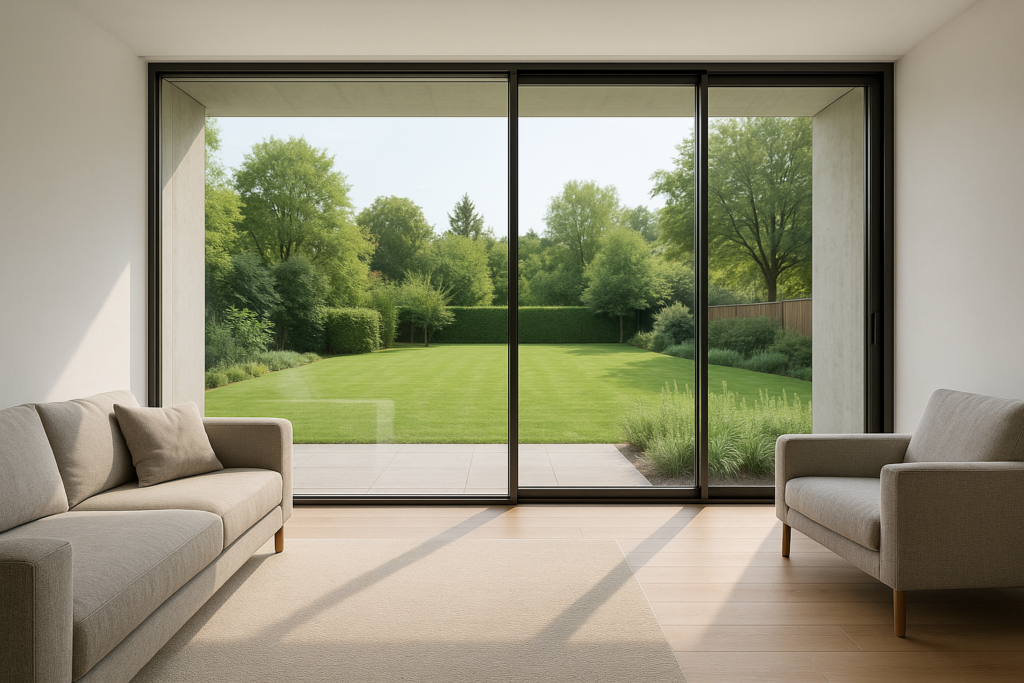
Minimalist architecture loves glass. Clean lines, slim frames, and large, uninterrupted openings are the signature of modern homes, hotels, and offices. But the more glass you add, the more pressure you put on the building’s comfort and energy performance.
That’s exactly where low e glass benefits shine.
Low-emissivity (Low-E) glass lets designers keep those elegant, pared-back window details while quietly upgrading insulation, solar control, and comfort behind the scenes. Instead of choosing between “beautiful but inefficient” and “efficient but heavy-looking,” Low-E allows minimalist windows to do both.
In this guide, we’ll look at where and how low E glass benefits best support minimalist window designs—and what architects, contractors, and owners should keep in mind from concept to installation.
What Is Low-E Glass and Why Minimalist Windows Need It
Low-E glass is standard architectural glass with a microscopically thin metallic or metal-oxide coating applied to one surface. That coating:
- Reflects infrared heat back toward its source
- Allows visible light to pass through
- Reduces overall heat transfer through the glazing
In minimalist design, windows are often:
- Large and floor-to-ceiling
- Paired with very slim frames
- Used on multiple facades for a seamless indoor–outdoor effect
Those choices look fantastic—but they also:
- Increase exposure to solar heat gain in summer
- Increase heat loss in winter
- Create potential glare and hot/cold spots near the glass
Using Low-E glazing means you can keep all the minimalist aesthetics and still control temperature, light, and energy use.
For a facade-scale perspective on this trade-off, you can also explore:
👉 What Low E Glass Benefits Mean for Modern Facade Designs
Core Low E Glass Benefits in Minimalist Window Concepts
1. Energy Efficiency Without Heavy Frames or Deep Reveals
Minimalist windows typically rely on:
- Narrow aluminium or steel profiles
- Recessed frames that disappear into the wall build-up
- Large, uninterrupted glass panes
You don’t have much frame depth to hide chunky insulation or shading hardware. That makes it even more important that the glass itself is working hard.
Key low e glass benefits here include:
- Lower U-values – reduced heat loss in winter despite expansive glazing
- Tuned solar factor (g-value / SHGC) – limits unwanted solar gain without forcing you to tint the glass heavily
- Less reliance on artificial heating and cooling – critical when the envelope is dominated by glass
This allows designers to preserve the ultra-slim frame look without compromising the building’s energy strategy.
2. Comfortable Perimeter Zones in Glass-Heavy Rooms
Minimalist interiors often place seating, dining, or working zones directly against glass walls. Without Low-E, that’s a recipe for:
- Overheating in summer afternoons
- Cold downdrafts and radiant chill in winter
- Condensation running down interior panes
Low-E coatings help by:
- Keeping the interior glass surface warmer in winter and cooler in summer
- Reducing radiant temperature asymmetry, so occupants don’t feel “fried” or “frozen” by the glass
- Supporting lower condensation risk where humidity is controlled
The result? Those coveted window seats and corner nooks actually feel as good as they look.
3. Clear Views With UV and Fade Protection
Minimalist design leans hard on natural materials:
- Timber flooring
- Pale fabrics
- Stone, leather, and natural fibre rugs
These are all vulnerable to UV damage. One underrated low e glass benefit is UV filtering:
- Low-E glass can block a large share of harmful UV radiation
- This slows fading of floors, furniture, artwork, and textiles
- You keep the no-curtain, no-blind aesthetic for longer without sacrificing finishes
That’s especially valuable in homes with gallery-like living spaces, hotel lobbies with premium furnishings, and retail spaces that rely on neutral, light-filled interiors.
4. Minimalist, Neutral Appearance
Older energy-efficient glass often meant dark tints, heavy color casts, or mirror-like reflection—none of which plays well with minimalist design. Modern Low-E products can be:
- Optically neutral – no strong green, blue, or bronze tone
- High in visible light transmission (VT) – spaces still feel bright and open
- Carefully controlled in external reflectance – subtle sheen instead of full mirror
That means you can choose glazing that visually disappears into the minimalist composition while still delivering all the low e glass benefits behind the scenes.
For projects where color neutrality and clean appearance are key, it’s worth also reading:
👉 Why Low E Glass Benefits Matter in Neutral Glass Designs
Where Low E Glass Benefits Are Most Valuable in Minimalist Windows
1. Floor-to-Ceiling Living Room Glazing
In modern homes and apartments, full-height windows or sliding doors blur the boundary between inside and outside. These openings are:
- Highly exposed to sun and wind
- Often oriented to capture views and light, not just thermal performance
- Used for hours every day
Here, low e glass benefits include:
- Keeping living areas comfortable throughout the day
- Allowing you to omit heavy curtains or external shutters in many cases
- Reducing glare while preserving a strong visual connection to the outside
2. Corner Windows and Frameless Glass Joints
Minimalist details like glass-to-glass corners and structural silicone joints look effortless—but they’re exposed on multiple sides. Without Low-E, they’re prime spots for heat gain/loss.
Low-E helps maintain:
- Uniform surface temperatures around the corner
- Consistent appearance and light quality
- Better comfort for seating areas that wrap around the corner glazing
3. Slim-Framed Rooflights and Skylights
Minimalist interiors often use narrow-framed rooflights to flood spaces with daylight. These elements receive intense solar radiation.
Using low-E in roof glazing:
- Cuts midday overheating
- Reduces UV damage to floors and furniture
- Keeps the focus on light quality rather than on shading hardware
4. Hotel and Hospitality Suites With “All-Glass” Moments
In boutique hotels and resorts, minimal windows are used to frame dramatic views—cliffs, oceans, city skylines. These should feel luxurious, not like sitting inside a greenhouse.
Low-E glass enables:
- High comfort in bed-adjacent or sofa-adjacent window walls
- Lower HVAC runtime, critical in 24/7 hospitality environments
- A consistent, premium experience across orientations and floor levels
Design Considerations: Getting the Most From Low E Glass Benefits
To support minimalist windows, Low-E choices need to be made strategically.
Choose Performance for Climate and Orientation
- In cooler climates, prioritize low Ug and moderate solar gain to harness winter sun.
- In hot or tropical climates, choose lower g-values to cut solar gain while keeping VT high.
- For mixed climates, consider different Low-E specifications for different facades or use a balanced selective Low-E.
Daylight and energy modelling early in design will help you see how different Low-E options affect your minimalist concepts.
Coordinate With Frame and Wall Design
Slim frames don’t leave much room for mistakes. Ensure:
- Frames are thermally broken and compatible with your IGU build-ups
- Edge cover and glass bite are adequate, even with super-thin frame lines
- Insulation around frames is continuous to avoid thermal bridges
Architect-level guidance on specification is covered in detail here:
👉 Why Low E Glass Types Be Specified Carefully by Architects
Installation: Minimalist Details, Maximum Precision
Minimalist windows are unforgiving. Misaligned frames, fogged units, or mismatched reflection patterns will ruin the look. Installation quality is a critical part of real-world low e glass benefits.
On site, teams need to:
- Install IGUs with the coated surface on the correct side (e.g. surface #2 or #3 as specified)
- Protect glass edges and seals during handling and setting
- Use compatible sealants and gaskets that won’t attack edge seals
- Ensure frames are perfectly plumb and square to avoid stress and distortion
If these steps are skipped, units may fog, underperform, or appear inconsistent—very noticeable in minimalist designs.
For a focused installation checklist, see:
👉 What Ensures Low E Glass Types Install Correctly On-Site?
Linking Minimalist Windows to Facade and Landscape Strategy
Minimalist windows rarely exist in isolation. They form part of a broader facade and landscape concept.
Thoughtful integration of low-E glazing with exterior design can:
- Ensure outdoor terraces and pathways don’t suffer from excessive reflected glare
- Use trees, pergolas, and planters to complement the glass’ solar performance
- Shape the way the building reflects sky, greenery, and neighbouring structures
This is where collaboration between facade design and landscape architecture is incredibly powerful. A well-planned site can enhance both the functional and visual performance of minimalist glazing. For more on that big-picture integration, explore:
👉 Define Landscape Architecture for Modern Design Work
Practical Tips for Homeowners, Hoteliers, and Developers
If you’re planning minimalist windows with Low-E glass, here are some quick, actionable guidelines:
- Ask for performance numbers, not just product names
- Confirm Ug, g-value/SHGC, and VT for each glass type being used.
- Insist on mockups
- View a full-size sample on site to check colour, reflection, and clarity.
- Clarify cleaning and maintenance
- Low-E glass is easy to maintain, but edges and seals must be protected from harsh chemicals and abrasive tools.
- Plan shading where necessary
- In very exposed locations, combine Low-E with external shading or interior blinds where occupant control is important.
- Check warranties and installation standards
- Make sure your supplier and installer understand Low-E requirements and back their work with solid guarantees.
Conclusion: Minimal Form, Maximum Performance
Minimalist window designs thrive on simplicity and light—qualities that can be hard to reconcile with energy efficiency and comfort if you rely on ordinary glazing.
That’s why low e glass benefits are so important:
- They allow slim, neutral, almost invisible windows to perform like robust, insulated elements.
- They keep living spaces, hotel suites, and work areas usable and comfortable right up against large glazed openings.
- They help buildings meet modern sustainability expectations without sacrificing the clean, contemporary look clients love.
When Low-E is specified intelligently, installed correctly, and integrated with facade and landscape strategy, minimalist windows achieve what they promise: maximum openness with minimum compromise.