
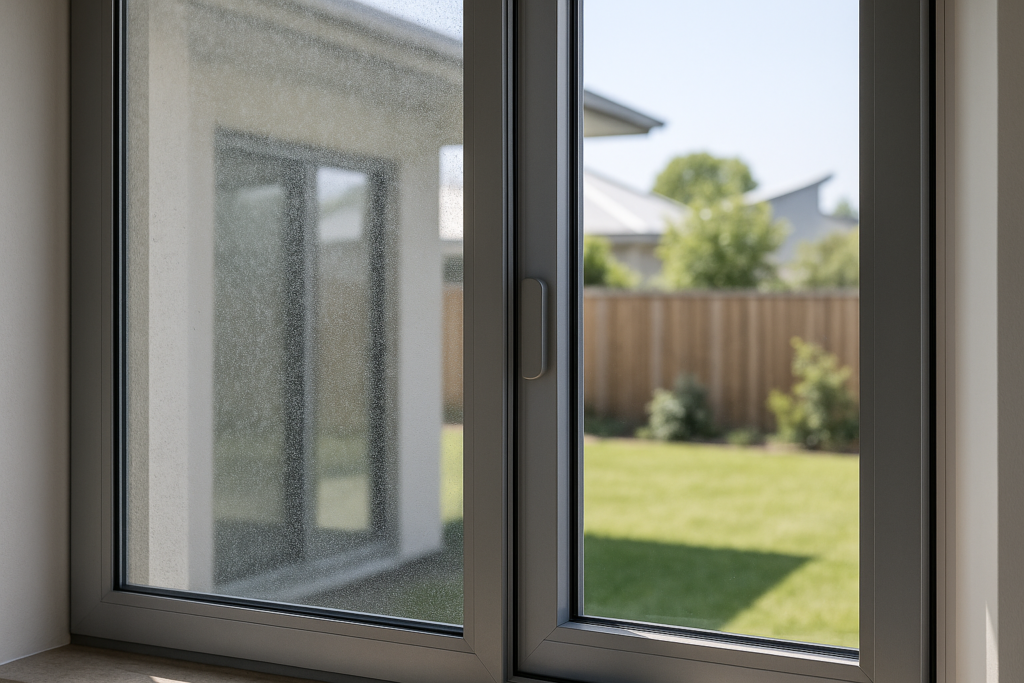
As building design trends move toward sustainability, energy efficiency, and safety, the choice of glass materials has become increasingly important. Among the most popular modern options are glass low e (low-emissivity glass) and laminated glass — both offering distinct performance advantages for insulation, durability, and safety.
However, one of the most common questions for architects, builders, and homeowners is: Which type is stronger — glass low e or laminated types?
The answer depends on the intended purpose: structural strength, thermal performance, safety, or soundproofing. This article breaks down the differences, benefits, and use cases of each glass type to help you make an informed choice.
What Is Glass Low E?
Glass low e refers to glass treated with a microscopically thin metallic coating that reduces heat transfer. The “E” stands for emissivity, a measure of how much radiant heat a surface emits. By reflecting infrared radiation, low-e glass keeps interiors warmer in winter and cooler in summer while allowing natural light to pass through.
The coating is so thin it’s invisible to the human eye but powerful enough to drastically enhance energy efficiency and comfort levels.
Key Characteristics:
- Reflects infrared heat back toward its source.
- Allows high visible light transmission.
- Reduces ultraviolet (UV) rays that cause fading of furnishings.
- Typically used in energy-efficient windows, curtain walls, and Passive House designs.
To understand how glass low e contributes to sustainable design, see When Is Glass Low E Needed for Passive House Goals?.
What Is Laminated Glass?
Laminated glass consists of two or more layers of glass bonded with a plastic interlayer—usually polyvinyl butyral (PVB). This structure enhances its safety, sound insulation, and durability.
When broken, laminated glass stays in place because the interlayer holds the shards together, preventing them from scattering. This makes it ideal for applications requiring impact resistance or security glazing, such as:
- Storefronts and display windows
- Skylights and glass canopies
- Car windshields
- High-rise building facades
While laminated glass is primarily designed for safety and strength, glass low e is optimized for energy performance.
Comparing Glass Low E vs Laminated Glass
Let’s compare both materials across performance metrics such as strength, safety, energy efficiency, sound insulation, and design versatility.
1. Strength and Durability
When it comes to mechanical strength, laminated glass takes the lead. The bonded layers increase resistance against breakage, impact, and forced entry. In structural applications, laminated glass provides both load-bearing support and residual integrity even after cracking.
Glass low e, on the other hand, doesn’t inherently improve strength — its coating enhances performance, not the structural toughness of the pane. However, low-E coatings can be applied to tempered or laminated substrates, combining both advantages.
In summary:
- Laminated glass = physically stronger.
- Glass low e = thermally stronger (better heat control).
When architectural fabrication involves handling large glass panels, the process often relies on a precise fabrication table to ensure accuracy and safety during cutting and coating.
2. Safety and Security
Laminated glass is designed to stay intact upon impact, making it the preferred choice for safety-critical applications like balconies, overhead glazing, and schools. The interlayer prevents the glass from shattering into sharp pieces — a crucial advantage in both human safety and security against break-ins.
Glass low e itself does not provide safety against impact unless combined with lamination or tempering. Therefore, the strongest option in this category is laminated low-e glass, which merges energy performance with safety.
3. Thermal Efficiency
Glass low e is unmatched when it comes to thermal control. Its coatings reflect infrared heat, dramatically improving energy efficiency by reducing heating and cooling demands. In both hot and cold climates, it helps maintain comfortable indoor temperatures without blocking natural light.
Laminated glass, while thicker, does not significantly enhance insulation on its own. Its interlayer primarily serves for strength, not thermal performance.
Therefore:
- Glass low e wins for energy performance.
- Laminated glass alone offers minimal thermal advantage.
For a detailed look at how low-e coatings outperform traditional solutions, see Why Is Glass Low E Better Than Double Glazing Only?.
4. UV Protection and Interior Preservation
Both glass types provide UV protection, but low-E coatings are designed to block up to 99% of harmful UV rays — far exceeding standard laminated glass performance. This feature makes low-E glass a top choice for preserving furniture, flooring, and artwork from fading.
When combined with laminated layers, the UV-blocking ability improves even further, creating an ideal balance of protection and transparency.
5. Sound Insulation
If your priority is soundproofing — for instance, in urban environments or near highways — laminated glass is the superior choice. The PVB interlayer acts as a sound-damping barrier that absorbs acoustic vibrations.
While glass low e helps reduce external noise slightly when used in double glazing, it’s not specifically engineered for sound insulation.
For projects requiring both energy efficiency and acoustic control, laminated glass with a low-e coating offers the best of both worlds.
6. Design and Aesthetics
Architects often prefer glass low e for its versatility in appearance. It can be neutral, reflective, or tinted while maintaining high transparency and light quality. Unlike tinted glazing, low-E coatings do not darken interiors — they balance light transmission with heat management.
Learn how this compares to other visual options in What Makes Glass Low E Superior to Tinted Glazing?.
Laminated glass, though slightly thicker, can also be customized with colored interlayers or printed patterns for creative applications. However, it may add weight and complexity to window framing systems.
Which One Should You Choose?
Choose Glass Low E if you need:
- Energy-efficient windows and doors.
- Improved thermal insulation.
- Bright interiors with minimal UV damage.
- Compliance with Passive House or green building standards.
Choose Laminated Glass if you need:
- Enhanced safety or impact resistance.
- Soundproofing for urban or industrial settings.
- Security glazing for storefronts or public spaces.
For most modern projects, the optimal solution combines both — laminated low-E glass — providing energy efficiency, strength, and safety in one assembly.
Real-World Applications
Residential Homes
Homeowners increasingly prefer glass low e for its ability to keep interiors comfortable year-round. It is ideal for living rooms, skylights, and large window openings where daylight is desired without excessive heat gain.
Commercial Buildings
Laminated or low-E laminated glass is common in high-rise facades, hotels, and offices where both safety and thermal performance are mandatory.
Fabrication and Handling
During manufacturing and installation, large panels of glass low e or laminated glass are often handled using precision tools like block lifting systems to ensure safe, damage-free movement.
Sustainability and Energy Performance
Glass low e directly supports environmental design certifications such as LEED and Green Star by lowering energy use and carbon emissions. Laminated glass contributes indirectly through longevity and recyclability.
When both are used together, buildings can achieve net-zero energy goals with enhanced occupant comfort. This dual advantage aligns perfectly with green design principles discussed in Define Landscape Concepts in Modern Architecture.
Conclusion: Which Is Stronger?
From a purely structural standpoint, laminated glass is physically stronger and safer. However, when the question of “strength” extends to thermal performance and environmental durability, glass low e emerges as the winner for energy efficiency and sustainability.
In practice, modern architecture often merges both technologies — combining laminated layers for safety and low-e coatings for thermal control. The result is a glazing system that is both strong and smart — perfect for homes, offices, and eco-conscious projects.
So, the real answer isn’t choosing one over the other — it’s understanding how glass low e and laminated glass complement each other to meet the needs of modern energy-efficient design.