
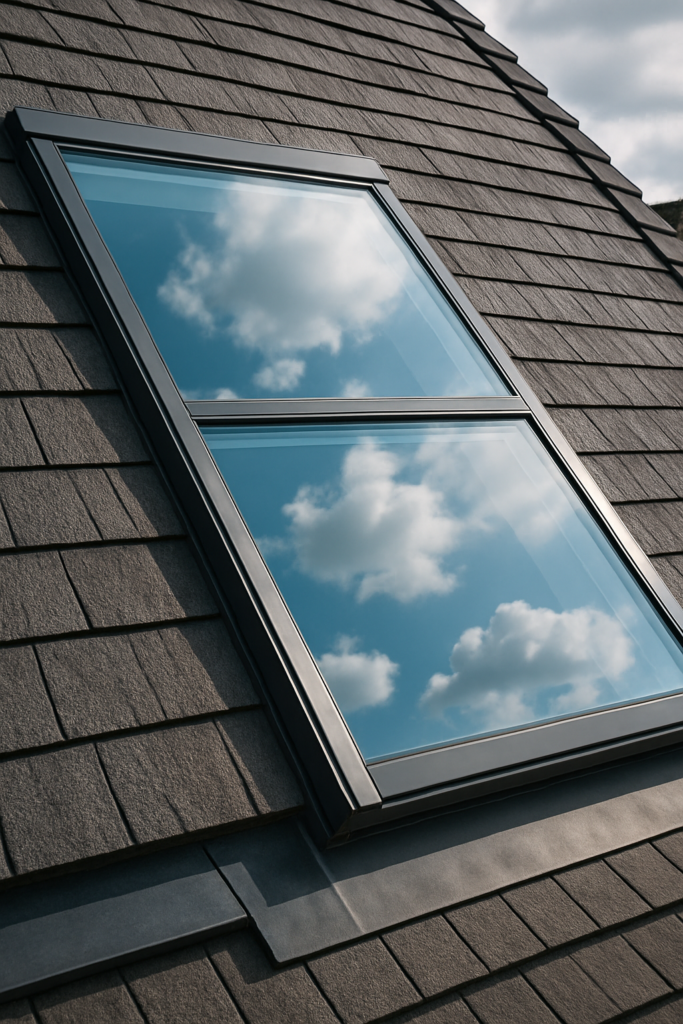
Skylights have a special magic. They pull natural light deep into a space, brighten dark corners, and instantly make interiors feel larger and more uplifting. But they also sit at the hottest, brightest part of the building envelope—the roof. That means they face far more sun, heat, and UV radiation than vertical windows.
To keep that beautiful daylight without turning your rooms into an oven, you need the right low e glass types in your skylight system. In this guide, we’ll walk through how low-E glass works overhead, which configurations perform best in hot and tropical climates, and how to combine safety, sustainability, and comfort in a single glazing solution.
Why Skylights Need High-Performance Low E Glass Types
Unlike vertical glazing, skylights:
- Receive more direct sunlight for longer hours
- Are exposed to higher solar angles and more intense UV
- Can quickly become sources of heat buildup and glare if not designed well
That’s why the glass choice is critical. The right low e glass types for skylights must:
- Block excess heat and UV
- Still deliver plenty of useful daylight
- Work safely as overhead glazing (toughened and laminated)
- Contribute to energy efficiency and green building goals
If you’re already using low-E on your windows and doors, skylights are the next logical step to complete your building’s thermal envelope.
Safety First: Toughened Laminated Low-E Glass
For any overhead application, safety glass is non-negotiable. Skylights must be designed to withstand:
- Impact from hail, falling branches, or maintenance activities
- Wind loads and pressure differentials
- Long-term exposure to sun and weather
That’s why the ideal starting point is toughened laminated glass:
- Toughened (tempered) glass is heat-treated to be several times stronger than normal glass.
- Laminated glass uses an interlayer (often PVB) that holds fragments together if the pane breaks.
When you combine the two and add a low-E coating, you get a skylight pane that:
- Meets safety codes for overhead glazing
- Reduces risk of injury from falling glass
- Provides sound insulation and UV blocking
- Supports low-E performance for heat control
Most modern low e glass types can be toughened and laminated, so you don’t have to choose between safety and energy performance.
Understanding How Low E Glass Types Work Overhead
Low-E (low emissivity) coatings are ultra-thin metallic layers that control how heat radiates through glass. For skylights, they play two major roles:
- Control solar heat gain (shortwave radiation).
The coating can reflect part of the sun’s infrared energy, reducing heat that enters the room. - Improve insulation (longwave radiation).
At night or in cooler seasons, the coating reflects room heat back inside, lowering heat loss.
Because skylights are hit harder by the sun than vertical windows, you typically want strong solar control low e glass types rather than just basic insulating versions—especially in tropical climates.
Key Performance Metrics for Low E Glass Types in Skylights
When comparing options for skylight systems, focus on these values:
- Solar Heat Gain Coefficient (SHGC):
Indicates how much solar energy passes through.- Lower SHGC = better for hot and sunny climates.
- U-value:
Measures general heat transfer due to temperature difference.- Lower U-value = better insulation; important for night-time and cooler seasons.
- Visible Light Transmission (VLT):
Shows how much daylight enters.- For skylights, you usually want good but not extreme VLT to avoid glare.
- UV transmission:
Lower is better to avoid fading and skin risk.
The best skylight-grade low e glass types offer low SHGC, low U-value, and controlled VLT so you get bright but comfortable light.
Best Low E Glass Types for Skylight Systems
1. Solar-Control Soft-Coat Low-E Glass
For most skylight applications in tropical or warm climates, the top performer is soft-coat (sputter-coated) solar-control low-E.
Why it works well overhead:
- Excellent at blocking excess solar heat, keeping indoor temperatures cooler.
- Strong UV reduction, protecting furniture and finishes under the skylight.
- Can be engineered with spectrally selective properties—letting in a lot of visible light but much less infrared heat.
Paired with double glazing, argon gas fill, and a laminated inner pane, this type of low-E glass is ideal for:
- Atriums and lobby skylights
- Large residential rooflights
- Glass roofs over corridors and circulation spaces
If you’d like to see how spectral selectivity works and which coatings are best at “light without heat,” it’s worth exploring:
👉 Which Low E Glass Types Provide Strong Spectral Selectivity?
2. Hard-Coat Low-E for Cooler or Mixed Climates
In cooler regions where solar gain can be helpful, hard-coat low-E may suit skylights that:
- Need good insulation
- Also benefit from some passive solar warmth in winter
Hard-coat coatings are very durable and can be a good fit for smaller, steeper skylight units. However, in intense tropical sun they often allow too much heat, so they’re better for climates with significant heating demand.
3. Low-E with Tinted or Body-Tinted Glass
Sometimes the challenge with skylights is not just heat but brightness. Direct overhead sun can cause harsh glare, especially in bedrooms, living spaces, and meeting areas.
Combining low e glass types with tinted substrates (such as green, bronze, grey, or blue body-tinted glass) can:
- Reduce glare and soften light
- Add basic solar control on top of the low-E performance
- Create a more comfortable ambience without blocking daylight completely
This is particularly effective in spaces that face all-day, high-angle sun, where clear low-E might still feel too bright.
4. Low-E + Solar Control + Laminated Safety: The Ideal Skylight Stack
A robust skylight build-up for hot climates often looks like this:
- Outer pane: toughened, solar-control low-E glass (sometimes tinted)
- Cavity: argon gas with warm-edge spacer to reduce heat transfer
- Inner pane: toughened laminated glass for safety and sound control
Within this structure, the low-E coating is usually located on an interior surface (often surface #2 or #3 in the IGU) to optimize solar control and insulation.
The exact coated surface matters a lot. Moving the coating from one surface to another can change SHGC, U-value, and even interior comfort. For a deeper explanation of how this works, you can read:
👉 Low E Glass Types Change Performance by Surface Location
Sustainability: Low-Carbon and Eco-Friendly Skylight Glass
Skylights naturally support sustainability by reducing dependence on artificial lighting. You can take that a step further by selecting low-carbon glass and thoughtful surrounding design:
- Low-carbon glass uses a high proportion of recycled content and cleaner energy during manufacturing.
- Many such products can still be toughened, laminated, and coated with low-E, so performance isn’t sacrificed.
At the urban scale, combining high-performance skylights with good shading, vegetation, and ventilation strategies contributes to more comfortable, lower-energy districts. For a broader view on how glazing choices connect with public space and greenery, see:
👉 Define Landscape Solutions in Smart Cities
Practical Design Tips for Specifying Low E Glass Types in Skylight Systems
1. Start With Climate and Orientation
- Hot/tropical climates: prioritize low SHGC and strong solar control.
- Cool climates: focus on U-value and allow moderate solar gain.
- Flat or low-slope skylights see more direct sun than steep ones—so they need stronger solar control.
2. Always Use Toughened Laminated Safety Glass
Overhead glazing must be designed for people’s safety:
- Outer pane: toughened for impact resistance.
- Inner pane: laminated so fragments remain bonded if breakage occurs.
Add your selected low-E coating onto one of the protected interior surfaces.
3. Choose the Right Low E Glass Types for Each Space
- Living rooms / lobbies / atriums: high daylight, low heat; solar-control soft-coat low-E with good spectral selectivity.
- Bedrooms: consider slightly lower VLT or tint to reduce early-morning glare.
- Circulation zones and stairwells: durable, solar-control low-E that keeps temperatures comfortable without over-lighting.
For guidance on how low-E choices differ between skylights, regular windows, and doors in residential settings, compare with:
👉 What Suit Low E Glass Types Best for Home Windows and Doors?
4. Coordinate Skylights With Other Glazing
Office projects often mix skylights with curtain walls and vertical glazing. To avoid performance gaps:
- Use compatible low e glass types across skylights and façades.
- Ensure SHGC and U-values align with the building’s energy model.
- Consider how internal blinds, external shading, and glazing all work together.
If your project includes large glazed façades as well as rooflights, this article can help you align the strategy:
👉 What Make Low E Glass Types Ideal for Office Curtain Walls?
Balancing Daylight, Heat, and Cost
High-performance skylight glass does cost more than standard clear glass, but it quickly pays back through:
- Lower cooling loads in hot seasons
- Reduced fading of finishes
- Improved comfort and productivity under the skylight
When evaluating cost, look beyond just the price of glass:
- Compare total energy consumption of skylight options.
- Check how smaller HVAC sizes or lower operating hours offset the initial premium.
- Consider the value of better comfort, daylight quality, and aesthetics for occupants.
Conclusion: Choosing Low E Glass Types That Truly Perform in Skylights
Skylights are one of the most rewarding elements in a building design—but also one of the most demanding from an energy and comfort standpoint. The low e glass types you choose will determine whether your skylights become a constant source of overheating or a long-term asset.
For most skylight systems, especially in sunny or tropical climates, the best performers are:
- Soft-coat solar-control low-E glass,
- Combined with toughened laminated safety panes,
- Possibly paired with tinted substrates for glare control,
- Designed with the correct coated surface location and high-quality IGU construction.
By balancing safety, spectral selectivity, insulation, and sustainability, you can create skylights that bring in generous natural light, protect occupants and interiors, and support the building’s overall energy efficiency for decades to come.