
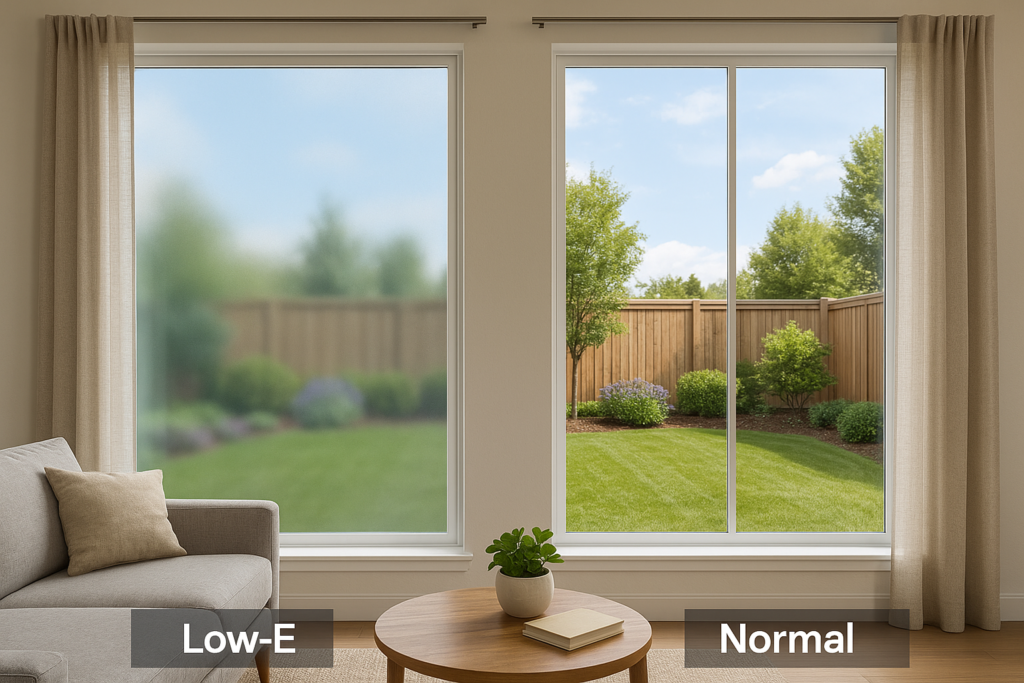
When it comes to improving energy efficiency and comfort indoors, glass low e coatings play a crucial role. These specialized coatings minimize heat transfer, block harmful UV rays, and maintain optimal indoor temperatures, all without significantly affecting natural light transmission. But with several variations of Low E coatings available, how do you know which type works best indoors for your home, office, or commercial project?
This guide explores the different types of Low E coatings, how they function, and which are most effective for indoor applications.
What is Glass Low-E and Why Does it Matter Indoors?
Low-E (Low-Emissivity) glass is designed with a microscopically thin coating that reflects infrared and ultraviolet light while still allowing visible light to pass through. In practical terms, this helps:
- Reduce unwanted heat gain in the summer.
- Retain warmth during colder months.
- Minimize fading of indoor furnishings caused by UV exposure.
- Improve comfort by reducing hot or cold spots near windows.
Unlike clear glass, which allows heat and UV to pass through freely, Low-E glass actively controls emissivity, making it a smart choice for both residential and commercial indoor spaces.
👉 For deeper insights into the science behind emissivity, check out Why is Glass Low E Designed with Emissivity Control?.
Types of Low-E Coatings
Not all Low-E coatings are the same. They are manufactured to perform differently depending on whether they are intended for cold, temperate, or hot climates, as well as the desired level of energy savings.
1. Passive Low-E (Hard-Coat)
- Applied during the glass manufacturing process.
- More durable and resistant to scratching.
- Ideal for colder climates because it allows some solar heat gain, which can help reduce heating costs.
- Works best for windows that are frequently exposed to direct sunlight.
Indoor Use Case: Great for homes in colder regions where heating retention is the primary goal.
2. Solar Control Low-E (Soft-Coat)
- Applied after the glass is manufactured in a vacuum chamber.
- Provides superior insulation and reflects more infrared light than hard-coat options.
- Best suited for temperate or hot climates where blocking solar heat is a priority.
Indoor Use Case: Perfect for offices, retail spaces, and homes in warmer regions where air conditioning is a concern.
3. Double-Silver and Triple-Silver Low-E Coatings
- Advanced versions of soft-coat Low-E glass.
- Offer enhanced energy efficiency by reflecting even more infrared radiation.
- Triple-silver coatings are especially effective at maintaining indoor comfort year-round.
Indoor Use Case: Excellent for buildings that require maximum energy efficiency without compromising daylight, such as schools, hospitals, or high-performance homes.
4. Low-E Laminated Glass
- Combines Low-E coatings with a laminated interlayer.
- Provides superior UV protection and sound insulation.
- Enhances safety and reduces noise pollution indoors.
Indoor Use Case: Ideal for urban homes or commercial spaces where soundproofing is just as important as energy efficiency.
Factors That Influence Indoor Low-E Performance
Several factors determine which Low-E coating works best indoors:
- Climate Zone: Cold climates may benefit from passive Low-E, while hot climates need solar-control coatings.
- Window Orientation: South- or west-facing windows may require stronger coatings to block solar heat gain.
- Building Type: Residential projects may prioritize comfort, while commercial projects may emphasize energy efficiency.
- Budget: Higher-performance coatings cost more upfront but offer long-term energy savings.
For homeowners or builders weighing costs and ROI, see Insulating Glazing Unit | Key Factors That Influence Price and Value.
Low-E Glass Ratings You Should Know
When choosing Low-E glass, keep an eye on its performance ratings:
- U-Factor: Measures how well the glass insulates. Lower numbers = better insulation.
- Solar Heat Gain Coefficient (SHGC): Measures how much solar heat passes through. Lower numbers are better for hot climates.
- Visible Transmittance (VT): Indicates how much visible light passes through. Higher numbers = brighter indoors.
These ratings make it easier to compare products and select the right glass Low-E coating for your needs.
Benefits of Glass Low-E Indoors
Beyond thermal efficiency, Low-E coatings offer additional benefits that make a noticeable difference in indoor environments:
- Energy Savings – Reduce heating and cooling costs year-round.
- UV Protection – Prevent fading of furniture, flooring, and fabrics.
- Condensation Reduction – Maintain warmer interior glass surfaces in winter, reducing fog and moisture buildup.
- Comfort – Eliminate drafts and uneven indoor temperatures.
Comparing Glass Low-E to Standard Glass
While standard glass may be cheaper upfront, it falls short in long-term efficiency and comfort. For a deeper breakdown, see What Makes Glass Low E Different from Standard Glass?.
Quick Comparison:
- Normal Glass: Lower upfront cost, no special coatings, higher energy loss.
- Glass Low-E: Higher upfront cost, better energy performance, significant long-term savings.
How Low-E Glass Works With IGUs
Low-E coatings are often paired with Insulating Glazing Units (IGUs) to maximize performance. IGUs typically consist of two or three panes separated by spacers and filled with argon or krypton gas.
👉 Explore Insulating Glazing Unit | Buying Factors for New Projects to understand how IGUs and Low-E coatings work together.
Practical Applications Indoors
- Residential Windows: Improve comfort and energy efficiency while protecting furniture.
- Commercial Storefronts: Reduce glare and maintain cooling efficiency in high-traffic buildings.
- Skylights: Maximize natural light without overheating indoor spaces.
- Interior Glass Doors: Enhance thermal comfort in partitioned office areas.
Integrating Efficiency Beyond Glass
While choosing the right Low-E glass is important, efficiency also depends on how you handle materials and construction. Tools like a Gantry Crane or proper material handling equipment ensure safe installation and long-term performance of glass units.
And for those interested in broader sustainability practices beyond glazing, check out BrightView Landscape | Smart Gardening & Waste Reduction.
Conclusion
Choosing the right glass low e coating for indoor applications depends on your climate, building type, and performance goals. Hard-coat Low-E works well in colder climates, while soft-coat and multi-silver coatings excel in warmer areas or high-performance buildings. Laminated Low-E glass offers extra protection against sound and UV damage.
By understanding the differences between coating types and considering factors like U-factor and SHGC ratings, you can make an informed decision that balances cost, energy savings, and comfort.
In short, Low-E glass isn’t just about saving money on energy bills—it’s about creating a more comfortable, sustainable, and resilient indoor environment.