
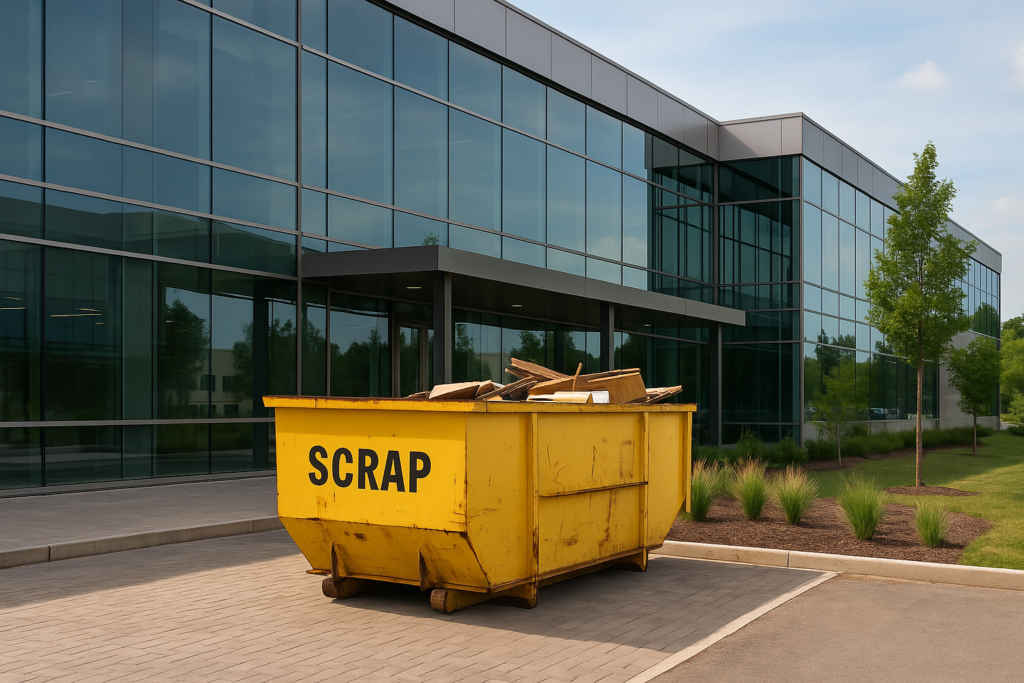
Introduction: Sustainable Building Begins with Smarter Material Use
In today’s era of sustainable construction, minimizing waste is as essential as enhancing performance. Architects, builders, and developers are shifting toward smarter, more responsible practices—especially in large-scale projects where material usage and waste volumes are significant. One innovation leading the charge is Z-1 glass, a high-performance, eco-friendly architectural glass designed not only for energy efficiency but also for reducing material waste throughout the building lifecycle.
This article explores how Z-1 glass supports waste reduction in expansive construction and landscape projects through smart design, efficient manufacturing, and circular economy principles.
Why Waste Reduction Matters in Large-Scale Projects
The Scale of the Problem
Large construction projects account for a substantial percentage of global building waste, with traditional materials like standard glass contributing significantly to landfill volumes. Reducing this waste is critical for achieving:
- Lower environmental impact
- Better cost efficiency
- LEED and other green building certifications
How Z-1 Glass Addresses This Challenge
Z-1 glass helps reduce waste through its durability, modularity, precision manufacturing, and recyclability. These benefits align with green construction principles and modern project delivery models.
Z-1 Glass: Optimized for Sustainable Deployment
High-Yield Manufacturing Process
Z-1 glass is produced using advanced fabrication technologies that minimize offcuts, defects, and waste. Learn more in Z-1 Glass Production Process and Its Eco Advantages.
- Laser-guided cutting systems
- Near-zero waste policy in fabrication facilities
- Scrap reintegration into production loops
Modular Design and Precise Installation
Proper Z-1 glass installation using modular panel systems allows for easier planning, minimal overages, and reduced on-site waste.
- Custom sizing to match project specs
- Interchangeable components for efficient construction
- Quick replacement of damaged panels without wasteful demolition
Enhanced Durability = Less Waste
Z-1 glass outlasts standard glazing due to its resistance to UV degradation, impact, and weathering. Long-lasting materials mean fewer replacements over time.
Compare performance advantages in Z-1 Glass Environmental Impact Compared to Regular Glass.
Circular Economy Integration
Z-1 glass supports circular design strategies:
- Fully recyclable at the end of its life
- Reusable in different configurations or future developments
- Take-back programs offered by select manufacturers
Circularity reduces the need for virgin material extraction and landfill disposal, which is crucial in multi-phase or high-volume construction projects.
Z-1 Glass Applications in Waste-Sensitive Sectors
Commercial Developments
Large commercial campuses benefit from using Z-1 glass for facades, partitions, and skylights. Its pre-engineered form reduces on-site cutting and waste.
Educational and Healthcare Campuses
Universities and hospitals often undergo expansion. Z-1 glass panels can be designed for disassembly and reuse across future buildings, contributing to long-term sustainability planning.
Public Infrastructure
Government buildings, transportation hubs, and cultural centers demand longevity and low-maintenance materials. Z-1 glass delivers both, minimizing replacement cycles and waste.
Landscape Architecture
Z-1 glass is used in sustainable landscape design for:
- Garden dividers
- Decorative walls
- Reflective water features
View design ideas in Beautiful Landscape with Sustainable Materials.
Z-1 Glass in Sustainable Interior and Exterior Design
In large-scale developments, interior and exterior design continuity is key. Z-1 glass enables this with minimal waste:
- Large custom panels reduce jointing materials
- Easy-to-clean surfaces limit chemical cleaners
- Modular installs ensure reusability of components
See practical uses in Z-1 Glass for Sustainable Interior and Exterior Designs.
Smart Z-1 Glass Maintenance for Long-Term Waste Reduction
Preventive Care
- Use biodegradable cleaning agents
- Schedule regular inspections
- Repair sealants and frames before degradation escalates
Prolonging Service Life
Z-1 glass maintenance best practices reduce waste by extending service life and minimizing the need for full panel replacements.
Green Certifications and Incentives
Using Z-1 glass contributes to waste-related credits in systems like:
- LEED v4: Material and Resources (MR) credits
- WELL Building Standard: Waste reduction and environmental quality
- BREEAM: Responsible construction practices
Builders may also qualify for tax credits and green building incentives by reducing construction waste and using recyclable materials.
Cost Implications of Waste Reduction
While Z-1 glass may carry a higher upfront cost, the reduction in material overages, waste hauling, replacement, and maintenance creates a strong return on investment for large-scale projects.
- Less labor for cleanup
- Reduced landfill fees
- Lower future capital costs from longer product lifespan
Future Opportunities for Z-1 Glass in Waste-Free Construction
AI-Powered Material Planning
Integration with BIM (Building Information Modeling) ensures accurate takeoffs and minimal overages.
Digital Fabrication & Customization
Automated fabrication allows for precise order fulfillment without excess material.
Expanded Take-Back Programs
Manufacturers are scaling take-back and glass recovery systems to support widespread reuse and reduce industry-wide waste.
Conclusion: Z-1 Glass Is the Smart Solution for Scaled Sustainability
In large-scale construction projects, managing waste is not just a responsibility—it’s an opportunity. Z-1 glass provides developers and architects with a proven way to reduce environmental impact, streamline materials use, and support long-term sustainability goals.
Through smart design, efficient installation, durable performance, and circular lifecycle management, Z-1 glass redefines what it means to build sustainably on a large scale.